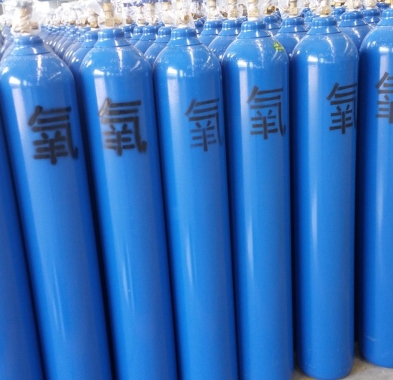
It promotes combustion and results in substantially higher flame temperatures than air alone.
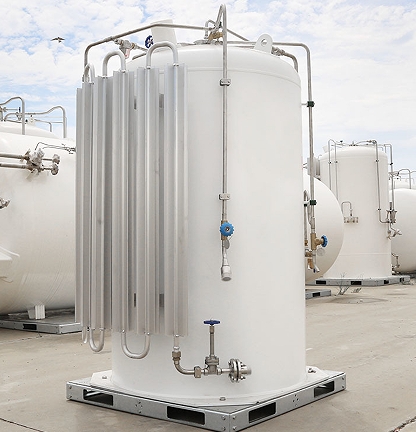
Microbulk systems have safety features such as pressure relief valves and built-in monitoring systems to ensure proper functioning. MicroBulk tanks provide safe on-site storage of cryogenic liquids, thereby increasing operational safety, quality, and efficiency.
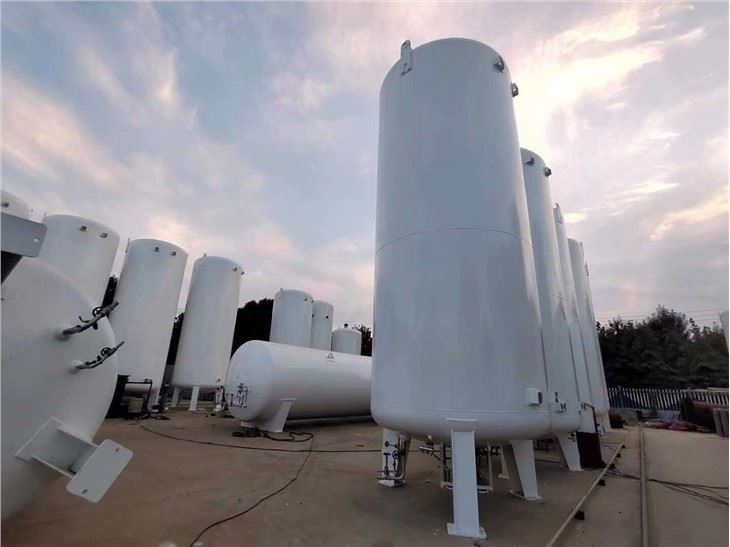
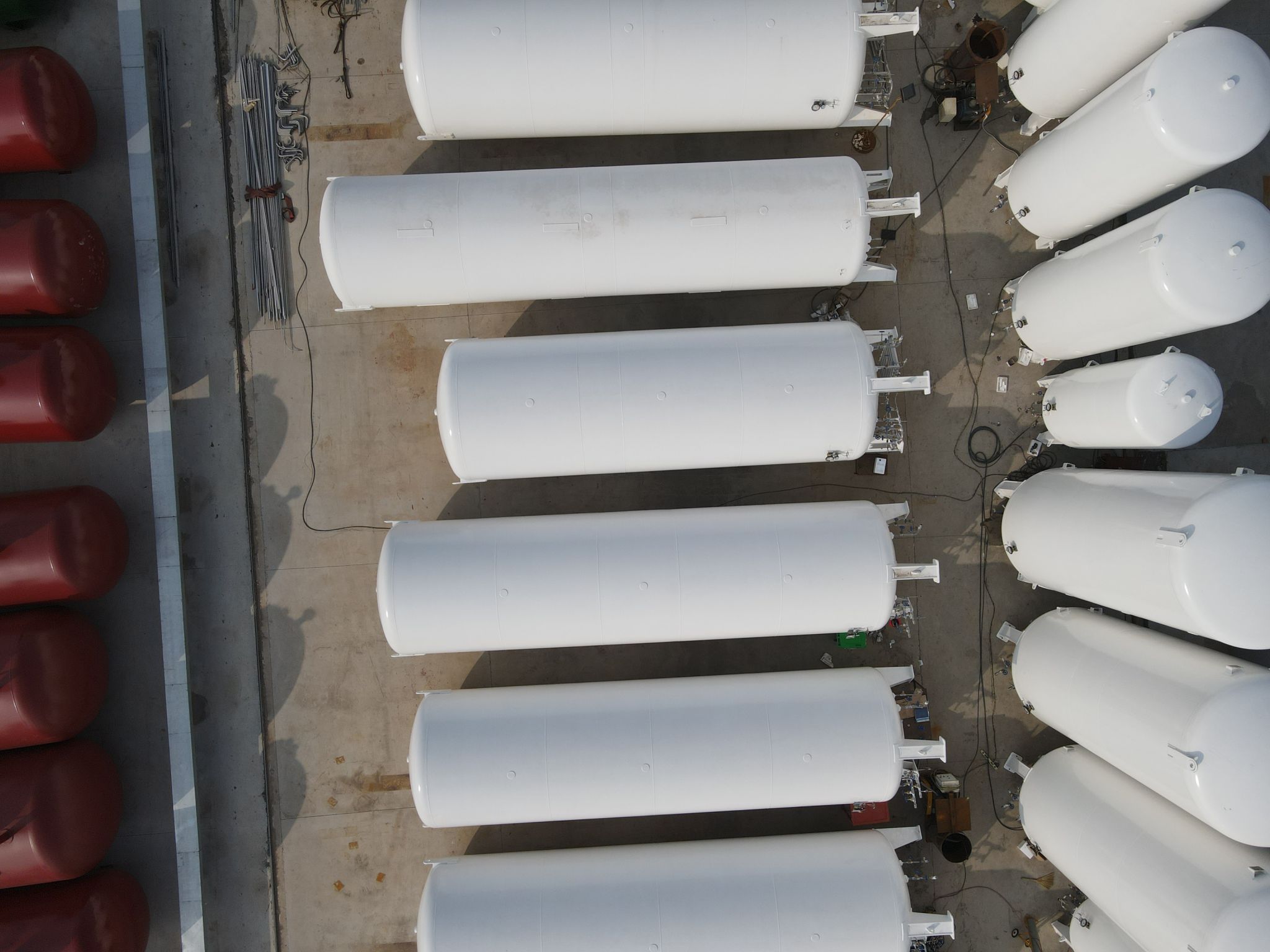
The Liquid CO2 Storage Tanks are intended to provide dry liquid CO2 storage capacity on-site. They serve as a buffer when CO2 demand is less than the liquid CO2 supply rate.
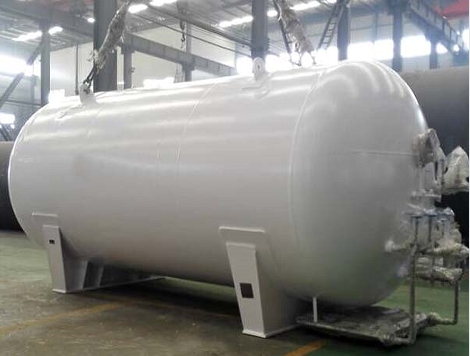
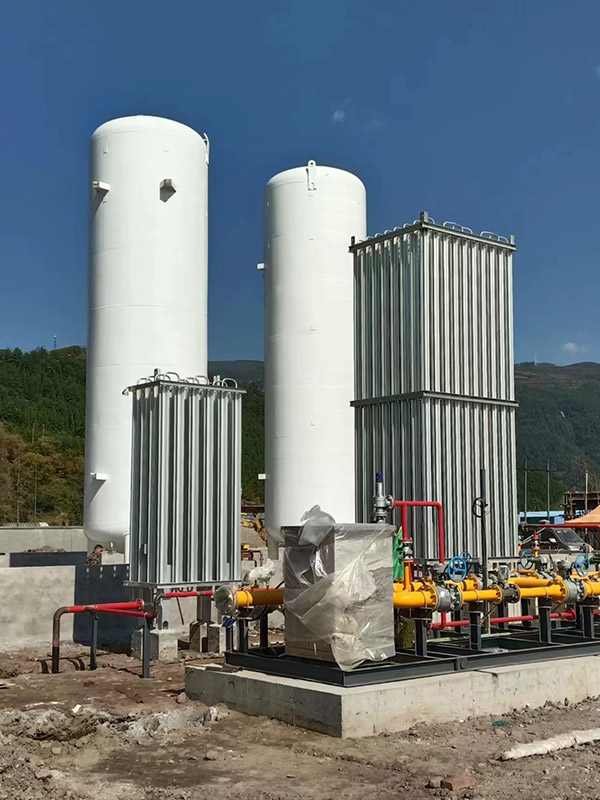
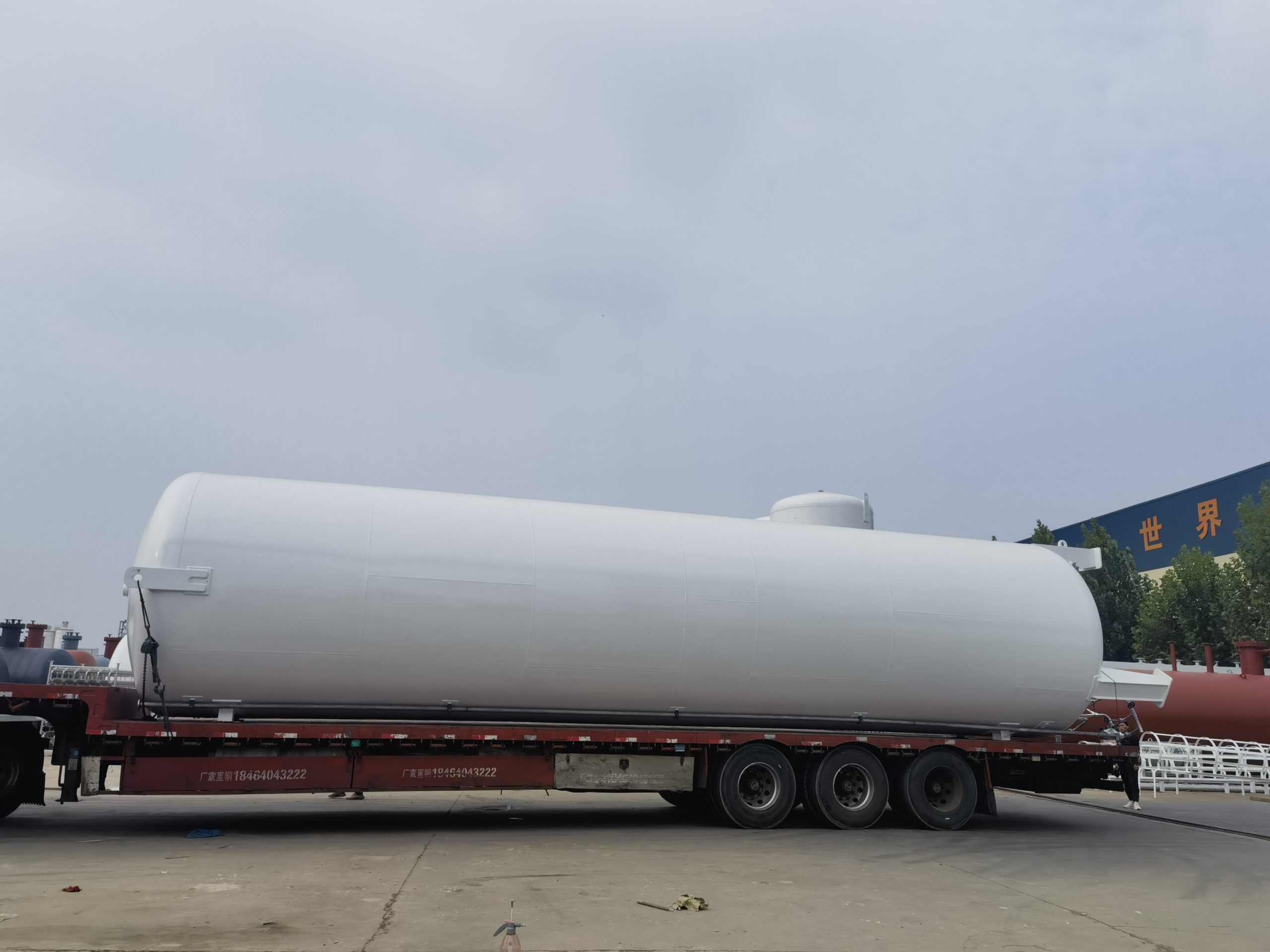
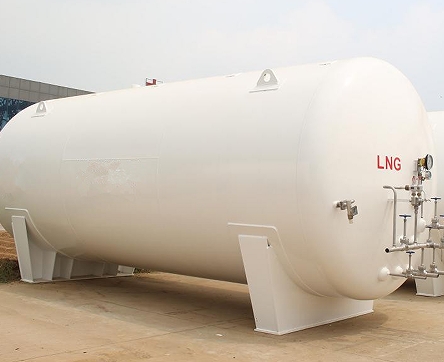
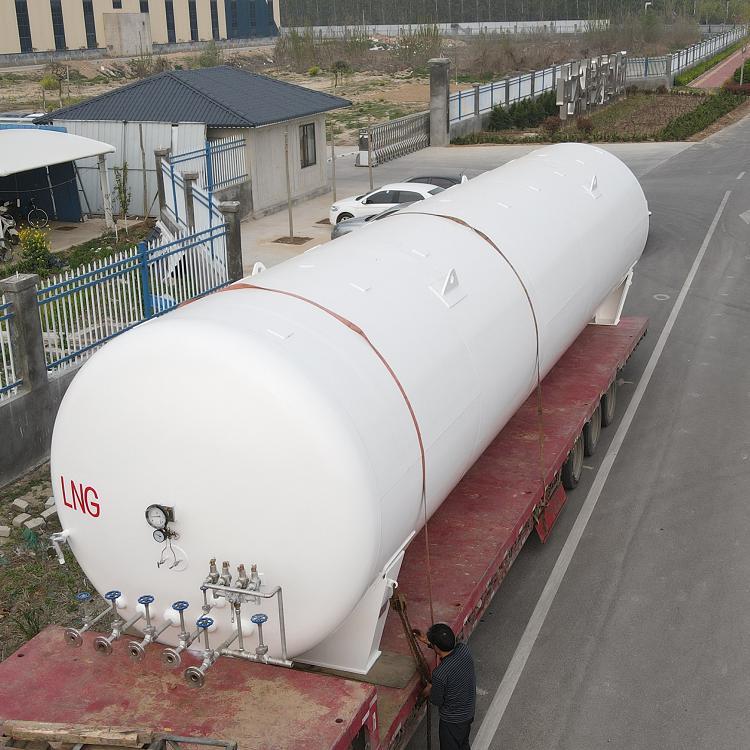
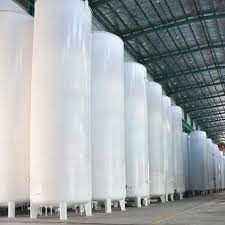
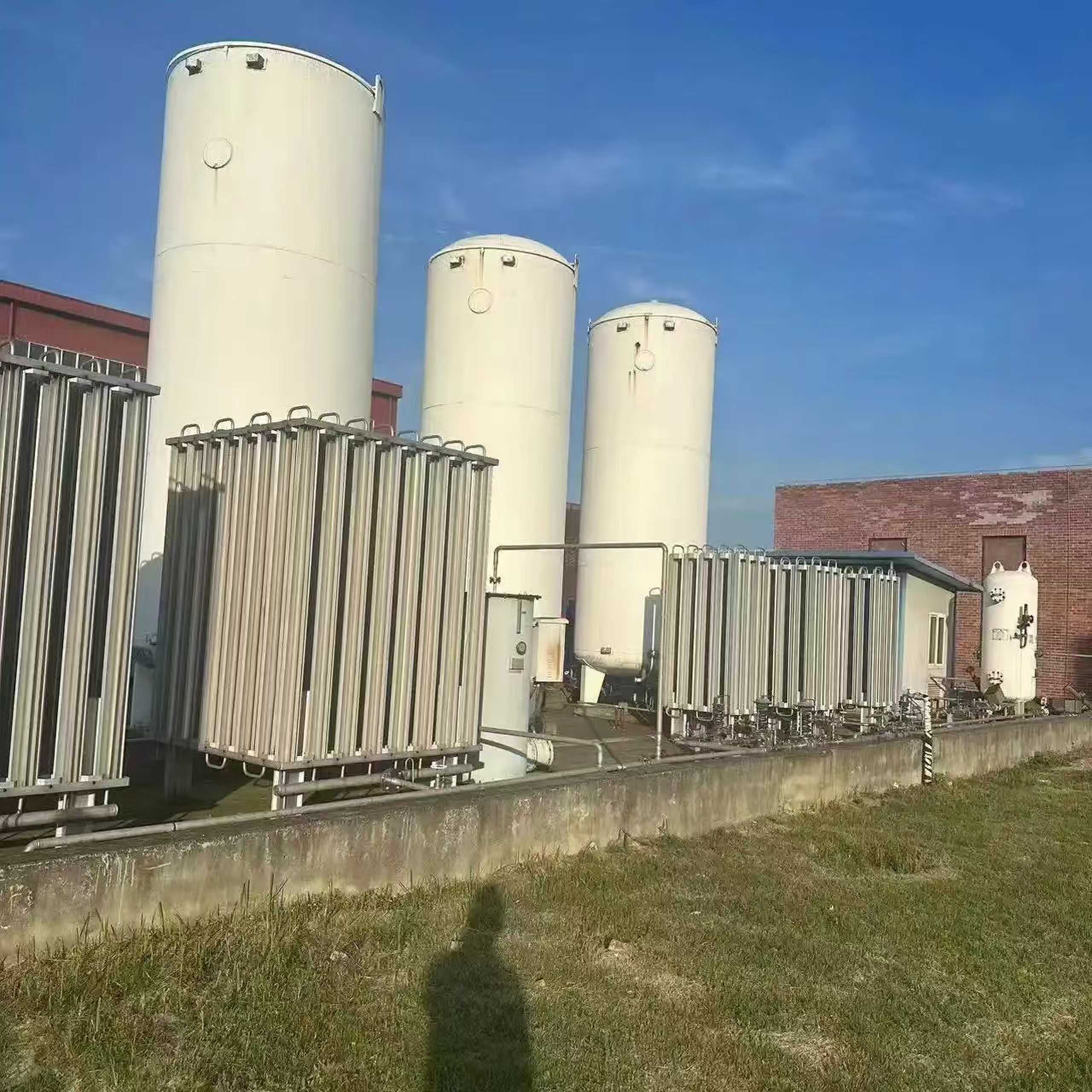
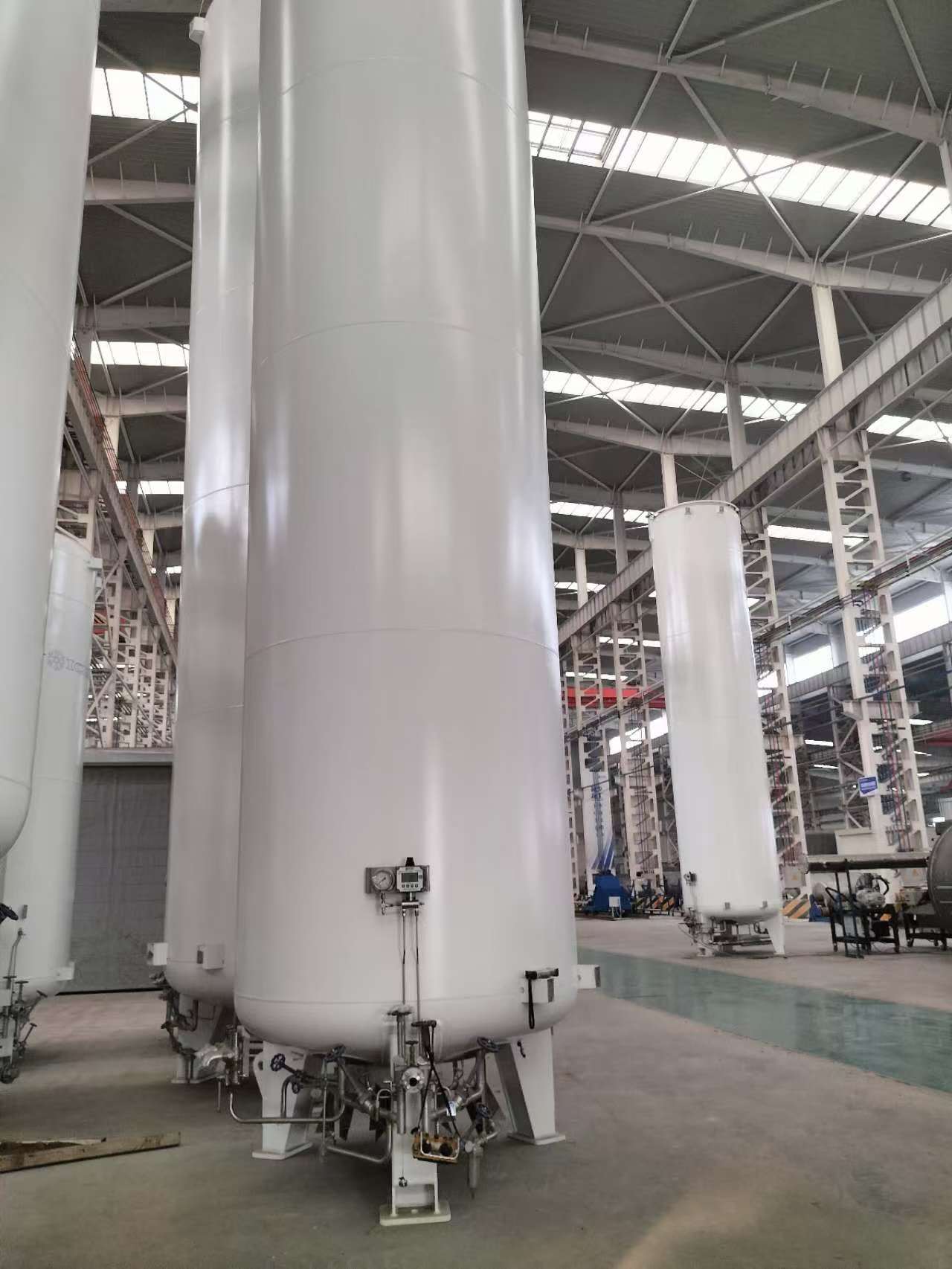
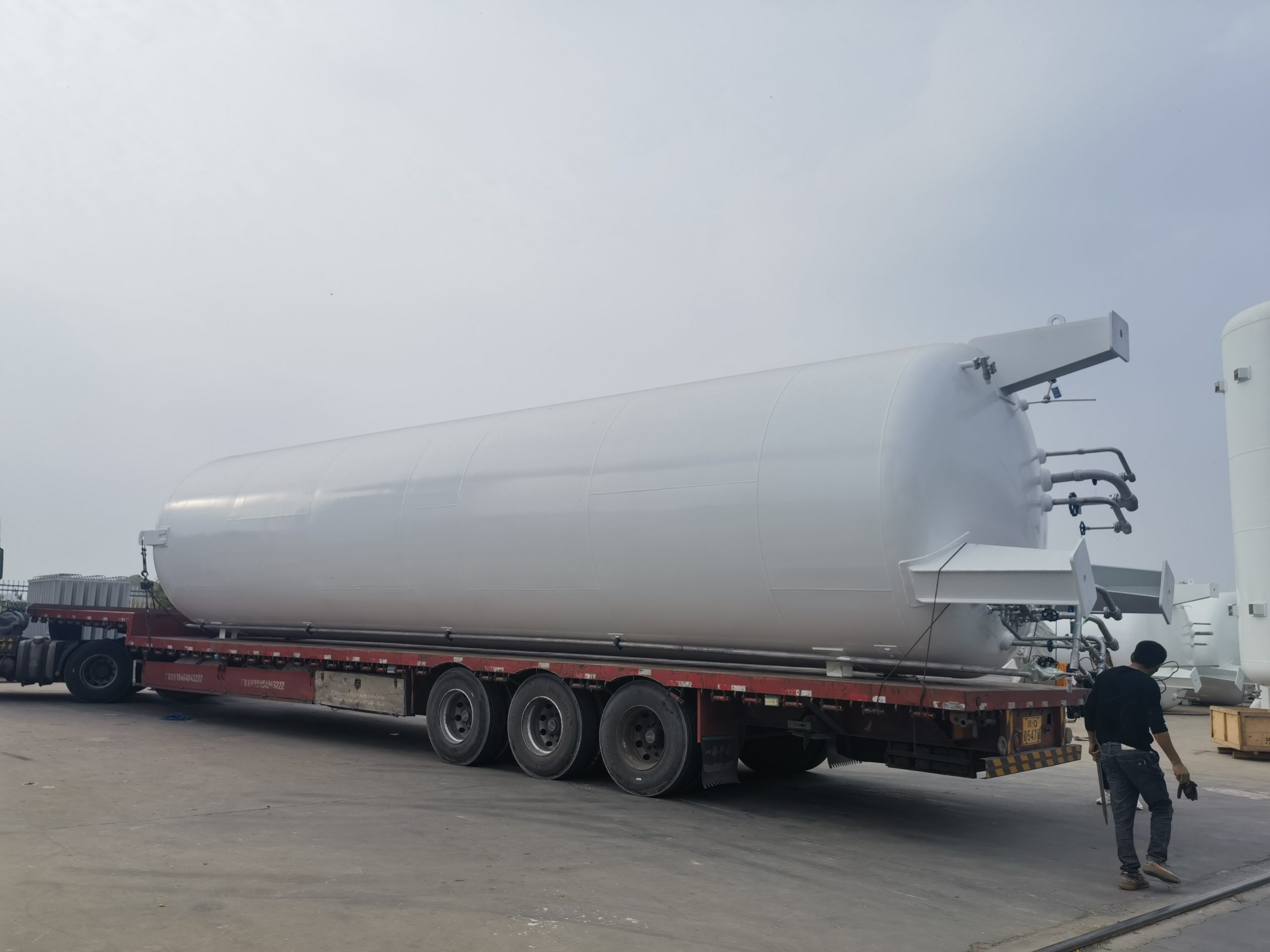
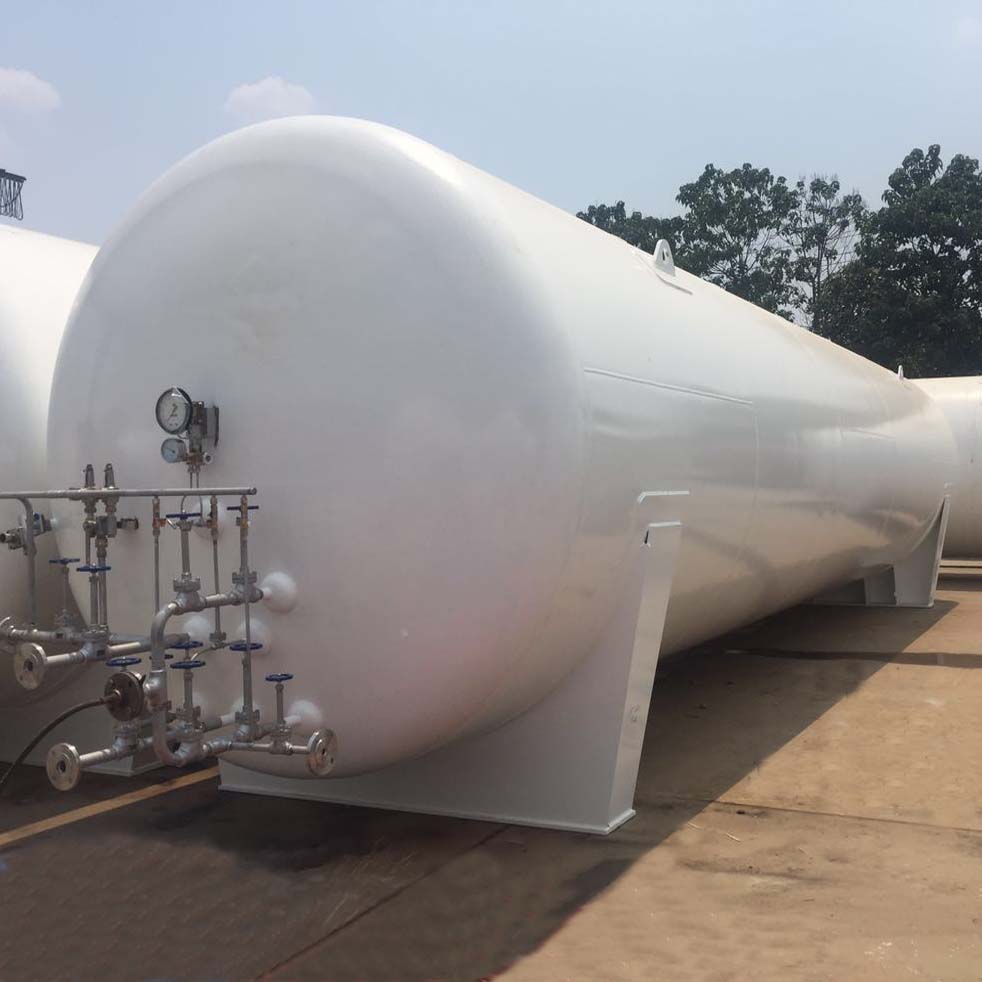
The LNG storage tank is made up of an interior container, an outside shell, support, a process piping system, thermal insulation materials, and other parts.
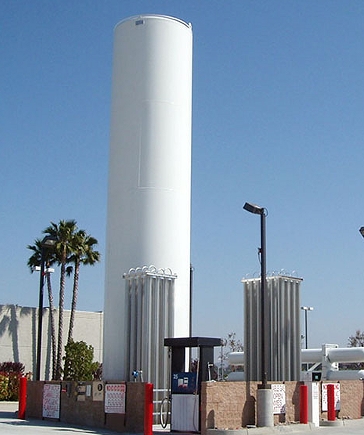
The design pressure of CO2 liquid vertical storage tank is usually 2.3Mpa, and the working pressure can reach 2.16MPa.
Precautions for using liquid nitrogen storage tanks
Safety management requirements for liquid nitrogen storage tanks
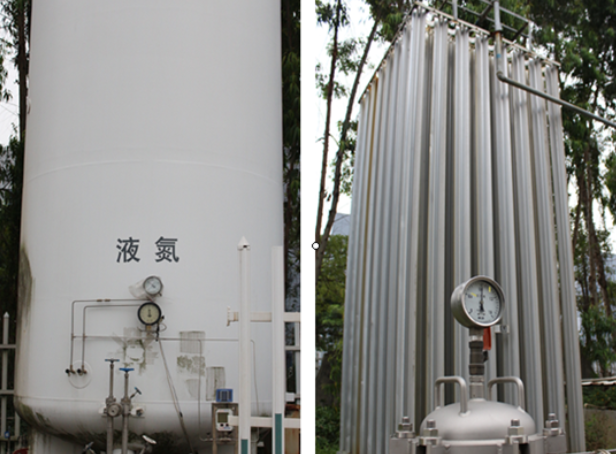
Working principle and structural composition of liquid nitrogen storage tanks
Since LNG storage tanks involve high pressure and extremely low temperature environments, safety is a key factor in design and operation.
Insulation layer: In order to keep the LNG low temperature, the tank usually has multiple layers of insulation materials, such as foam, vacuum insulation, etc., to prevent heat transfer.
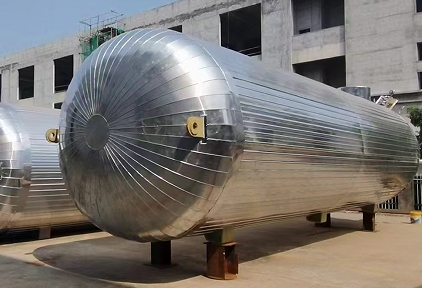
This type of tank is usually installed on the ground and is commonly found in LNG receiving stations or large storage facilities.
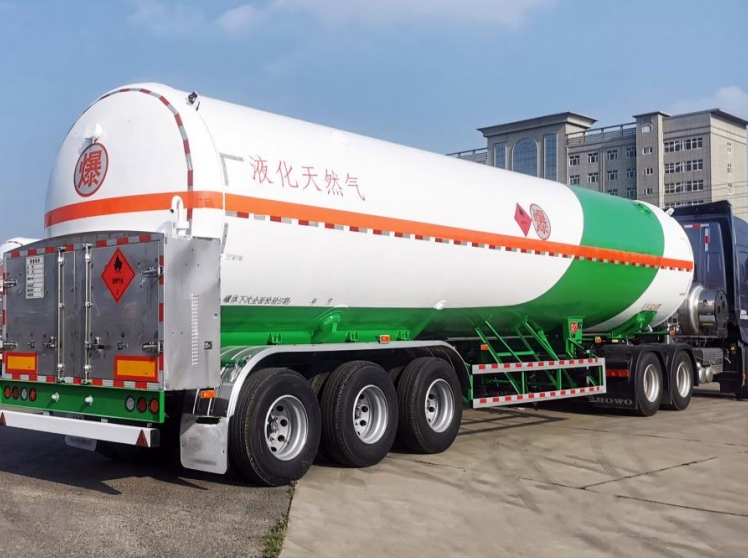
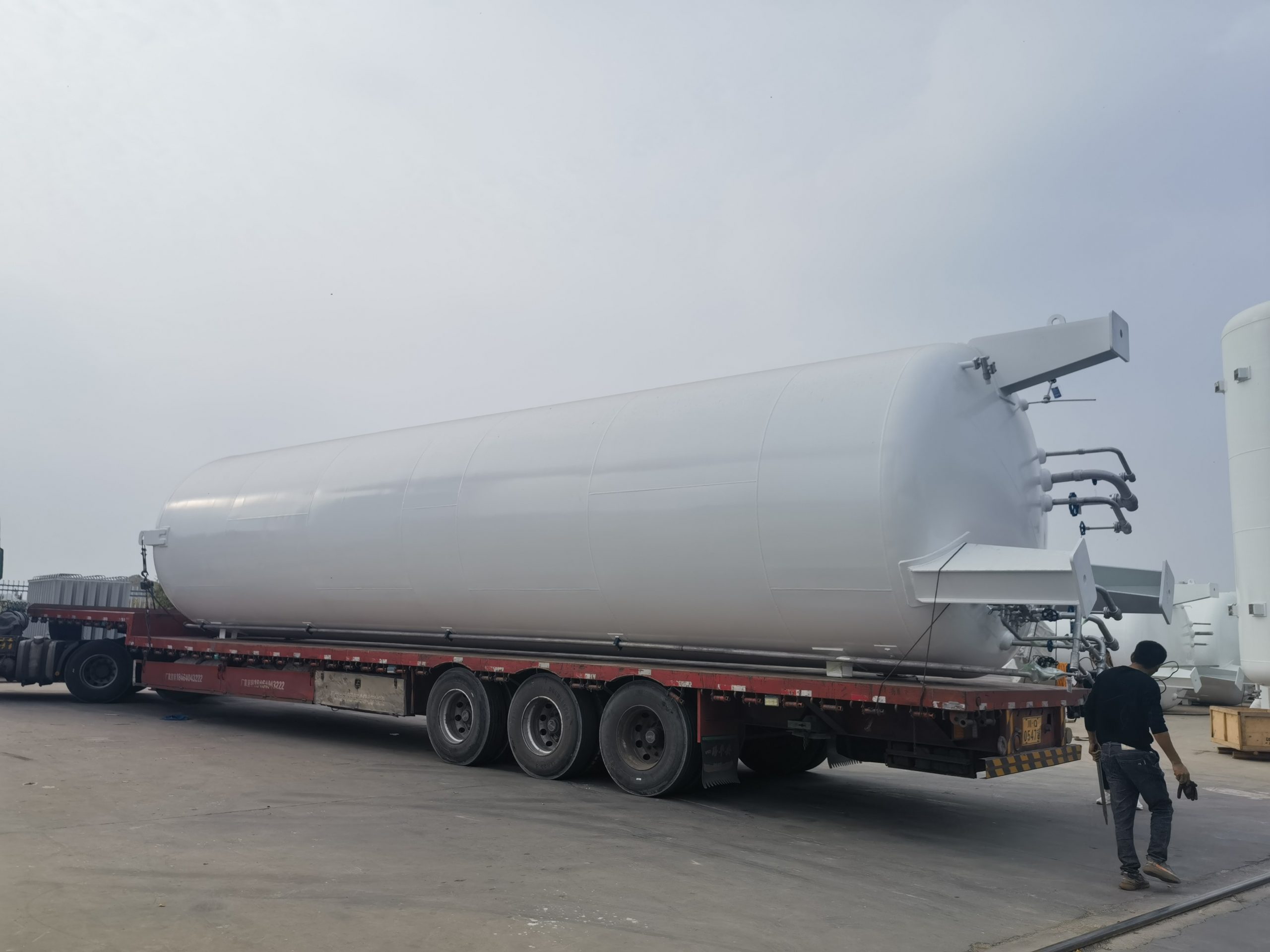
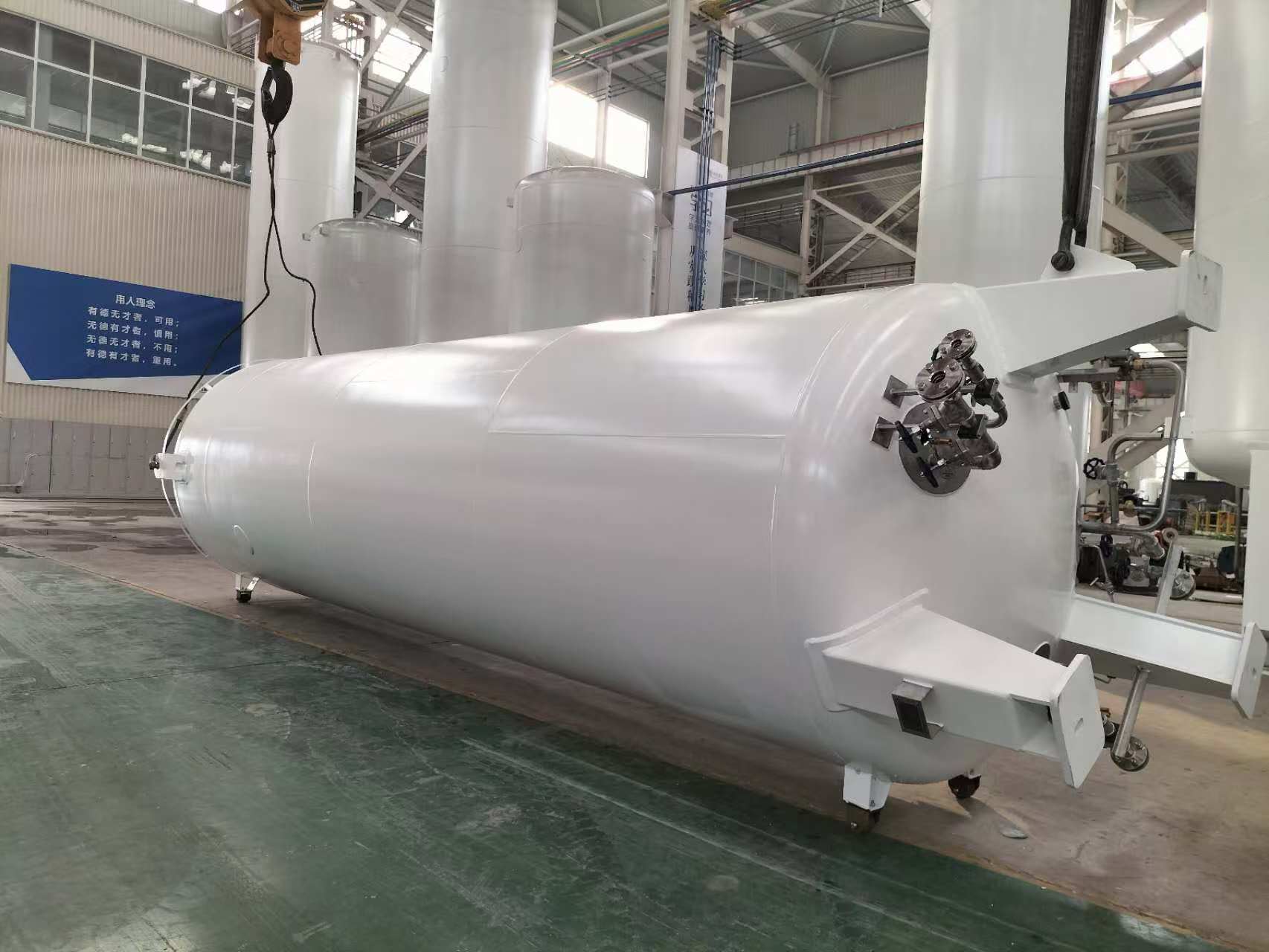
Key Features: Chassis features a rigid connection and has an ambient vaporizer for unloading. All valves are in a locked box. JOST Support. Features compact design and standard frame protection. Certifications: China GB Standard or ASME Standard dependent on user options
The introduction of cryogenic storage tank.
An LNG storage tank is a storage tank that is specifically intended to hold liquefied natural gas. A frequent feature of LNG storage tanks is their ability to store LNG at temperatures as low as -162 °C (-260 °F).
Liquefied natural gas is clean, reliable, and abundant. Natural gas is a refrigerant, which means it is liquid at extremely low temperatures. Natural gas in liquid form can be transferred efficiently and safely from resource-rich regions to high-demand areas.
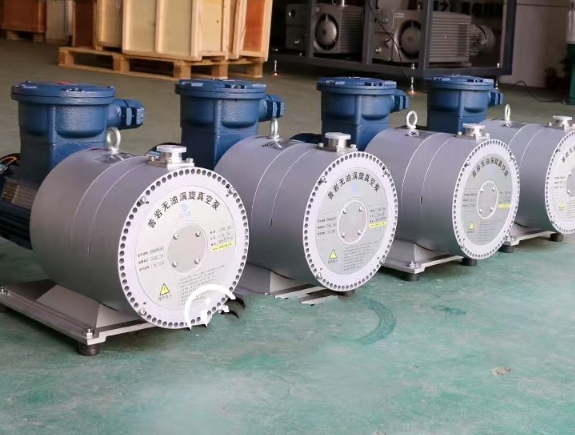
Vacuum pumps are technological equipment that remove gases and create an underpressure (vacuum) in the enclosed space of a tank. The most significant vacuum pump parameters are final pressure and efficiency.
Liquid nitrogen storage tanks are meticulously engineered to provide an unparalleled environment for the long-term preservation of delicate biological materials.
The working principle of cryogenic storage tank.
With a substantial storage capacity, this CO2 tank is perfect for large-scale industrial operations.
The inner tank of cryogenic tank is a liquid-tight and flexible inner container made of thin low-temperature steel plates.