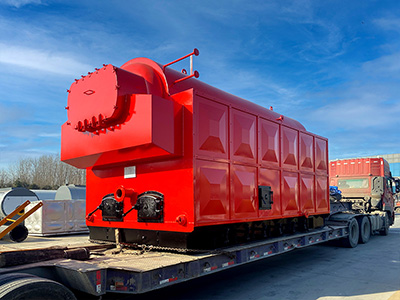
Ensure that all soot blowers of the biomass boiler can be put into normal operation.
Appropriately reduce the primary air speed.
Try to keep the primary and secondary wind speeds of each burner of the biomass boiler consistent.
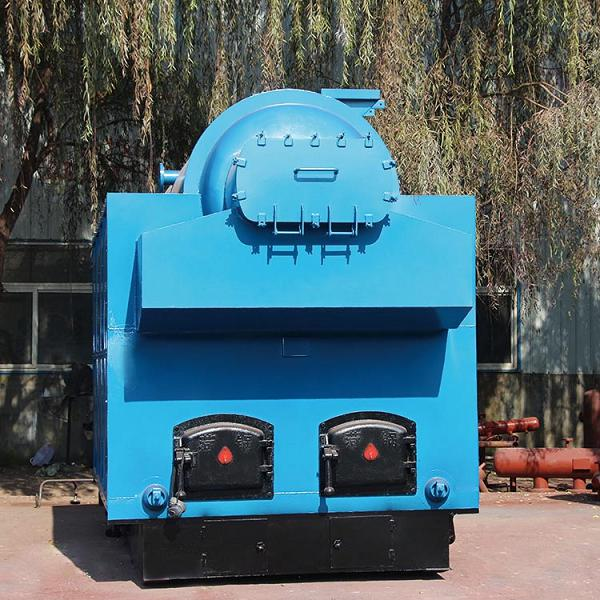
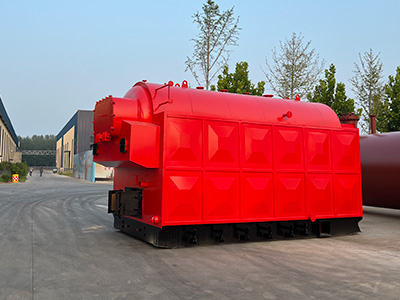
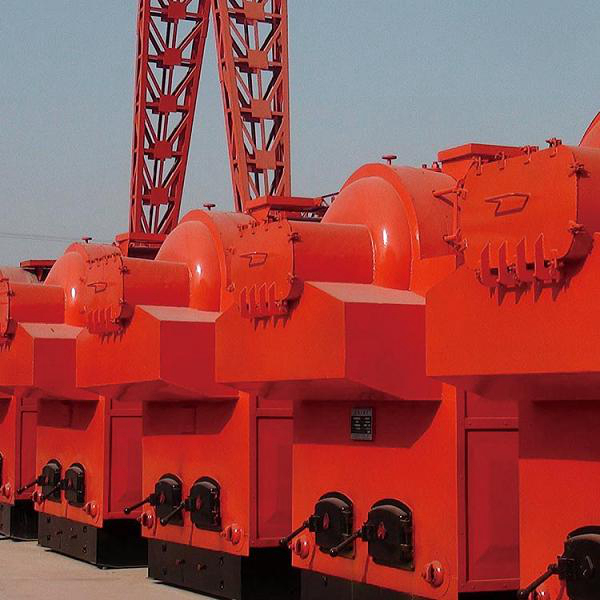
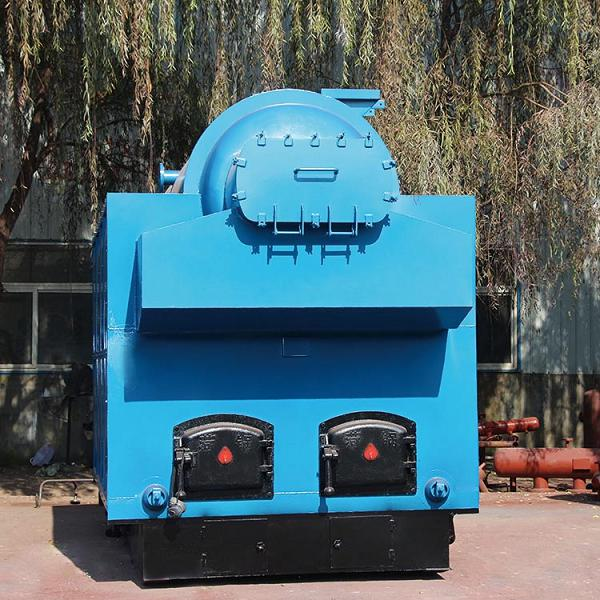
Preventive measures for coking of biomass boilers.
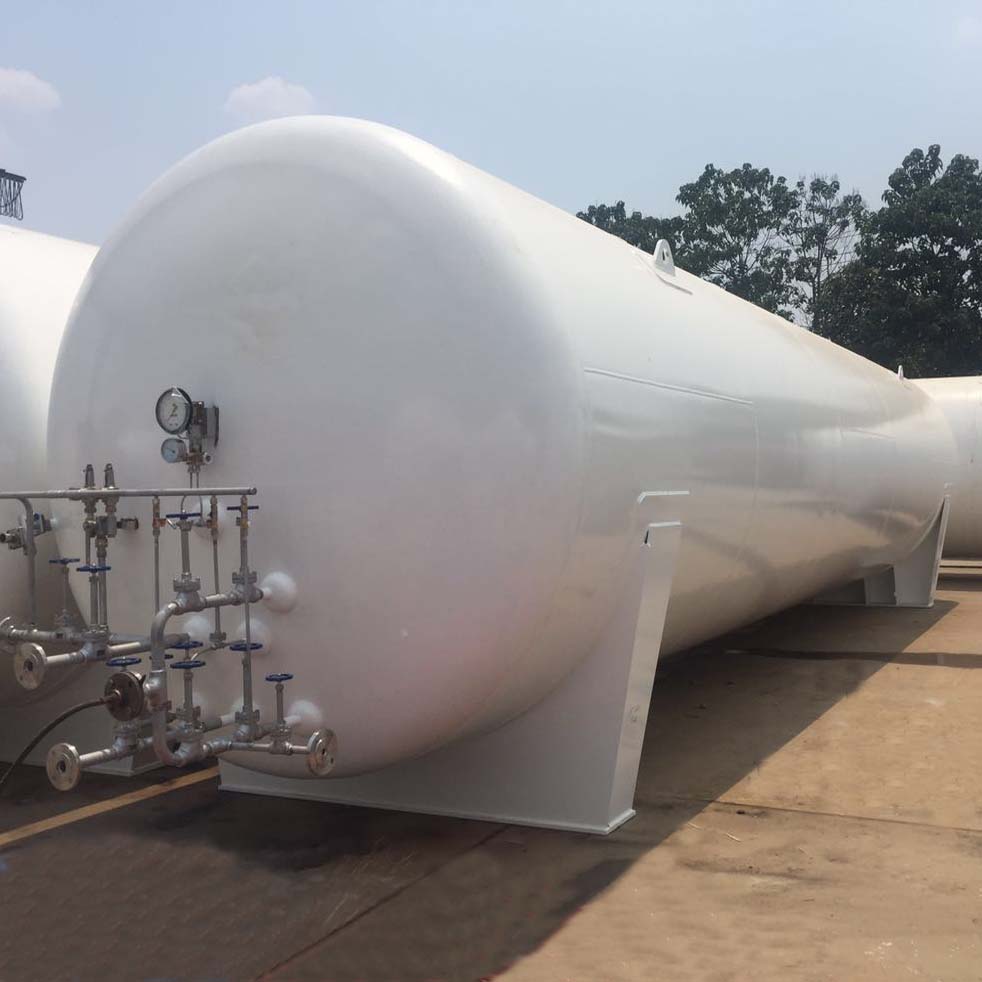
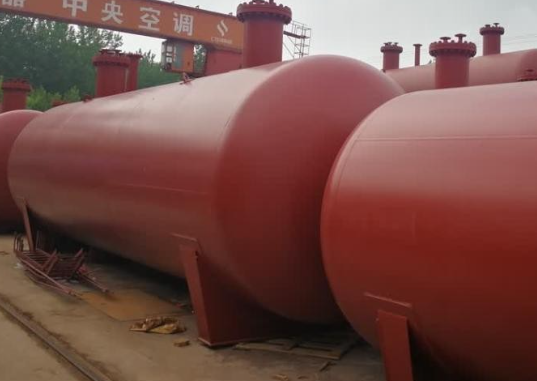
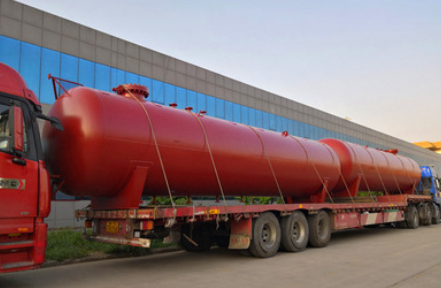
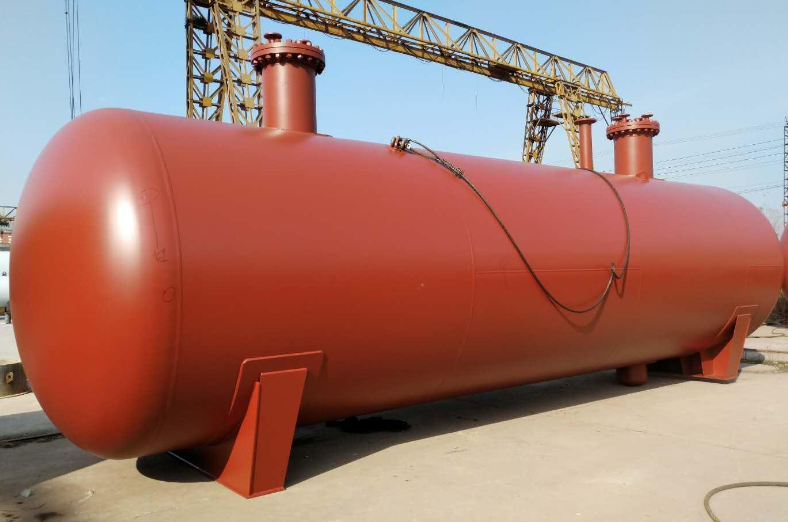
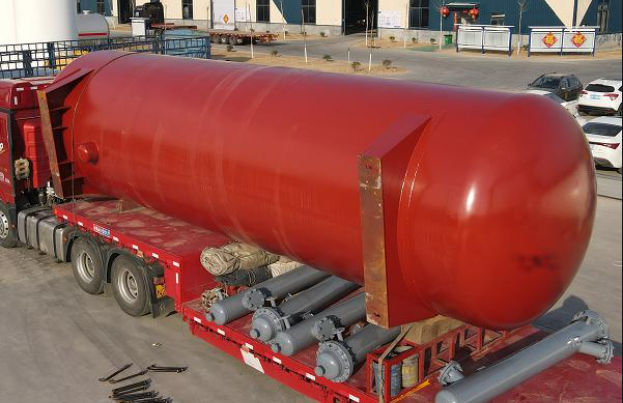
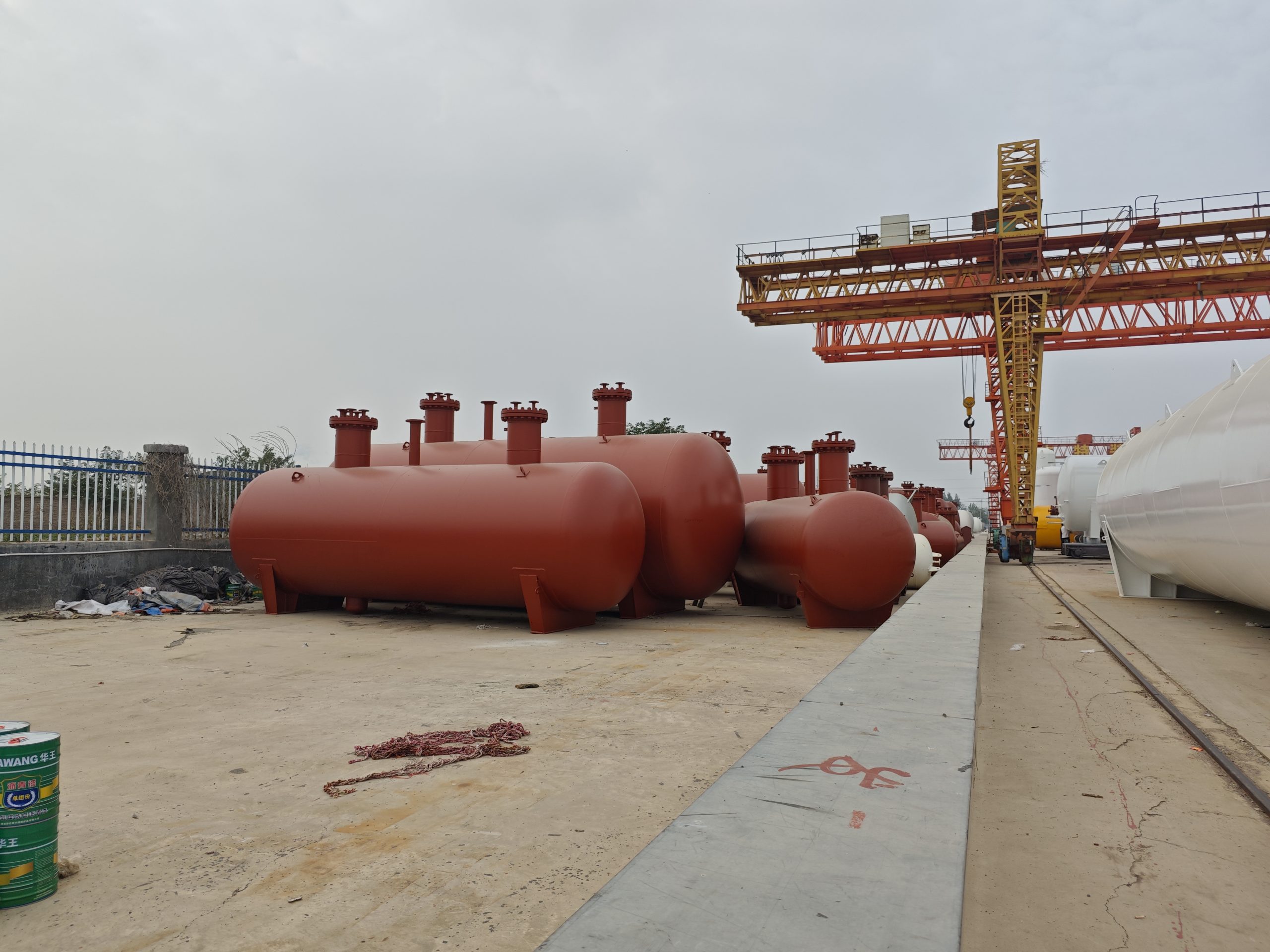
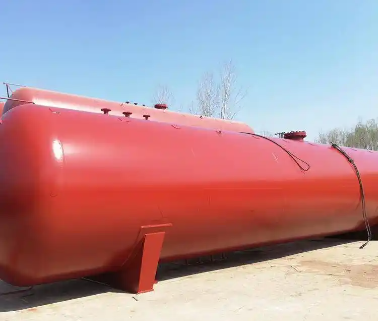
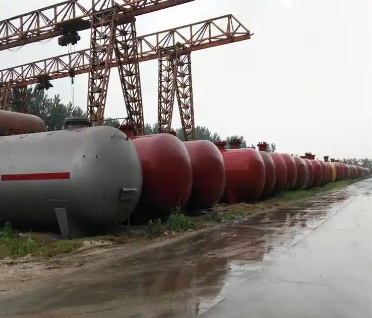
The High-Capacity 200m³ Underground Liquefied Petroleum Gas (LPG) Tank is a robust and efficient solution designed for large-scale storage needs.
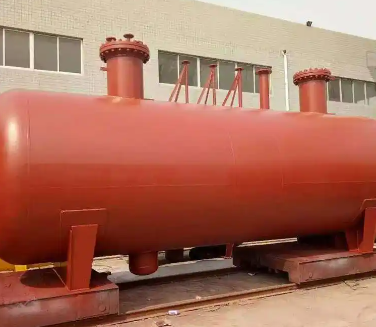
The Advanced 5m³ Underground Propane Tank is a state-of-the-art solution designed specifically for residential use.
The Space-Saving Underground Liquefied Petroleum Gas (LPG) Storage Tank is an innovative and efficient solution designed to optimize storage space while ensuring safety and reliability.
The Durable and Safe 10m³ Underground LPG Storage Tank is a robust and reliable solution for storing liquefied petroleum gas.
For propane/LPG, butane. Capacity ranges from 200 GPH to 12,000 GPH, with a compact footprint. Forced draft power burners. Low fire/high fire modulation
Special anti-oxidation procedure applied to heat-exchanging pipe surfaces. Optimal flow design minimizes pressure loss and eliminates deflection, allowing for safe regulation of flow speed. The advanced and sophisticated technique of high-pressing pipes ensures that the under-pressing pipe has adequate contact with the heat-exchanging pipe, hence ensuring heat exchange efficiency.
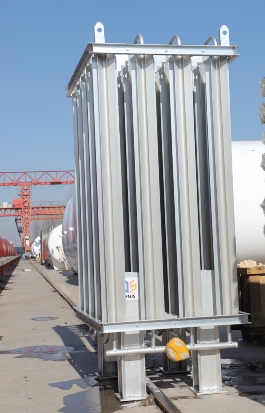
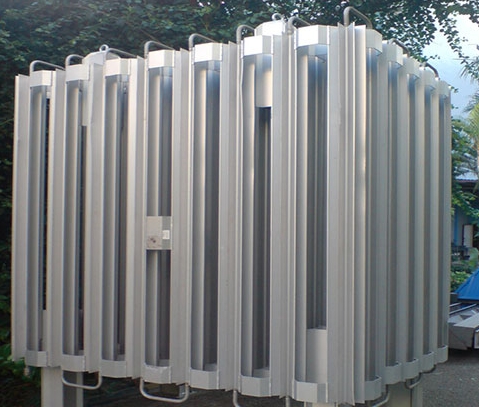
The air ambient vaporizer can be used with a variety of working media, including liquid oxygen, liquid argon, liquid nitrogen, liquid carbon dioxide, LNG, LPG, and other cryogenic liquids or liquefied gases.
Although the construction cost of underground LPG storage tanks is relatively high, the economic benefits it brings in the long run are significant.
Safety is paramount when operating underground LPG storage tanks.
Underground LPG storage tanks must comply with various environmental and regulatory standards to ensure safe and responsible operation.
Eliminate air leakage at the bottom of the furnace.
Conduct cold air dynamic field test on biomass boiler before unit start-up.
Installing an underground LPG tank requires careful planning and adherence to strict safety regulations.
Strictly control the maintenance quality of biomass boiler burners.
Underground LPG storage tanks are typically constructed from high-quality steel or concrete to withstand the pressure and corrosive nature of LPG.
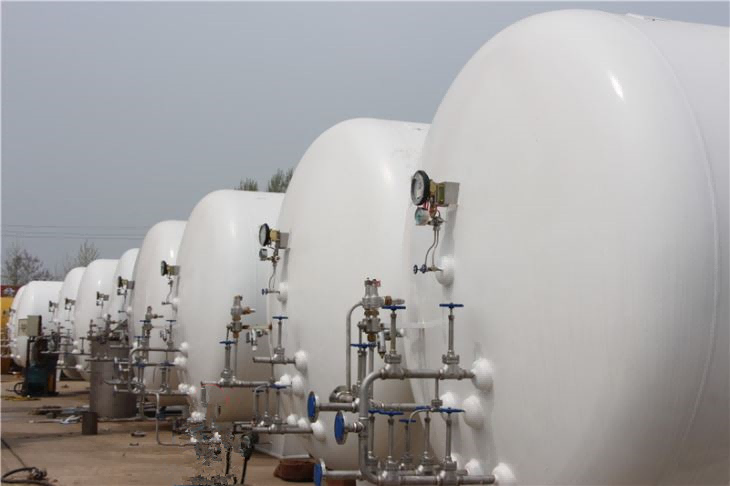
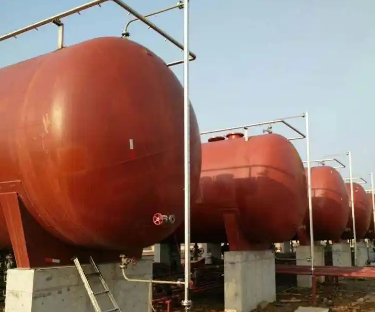
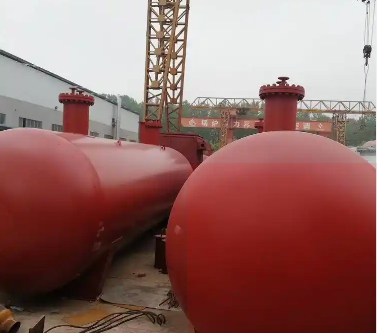
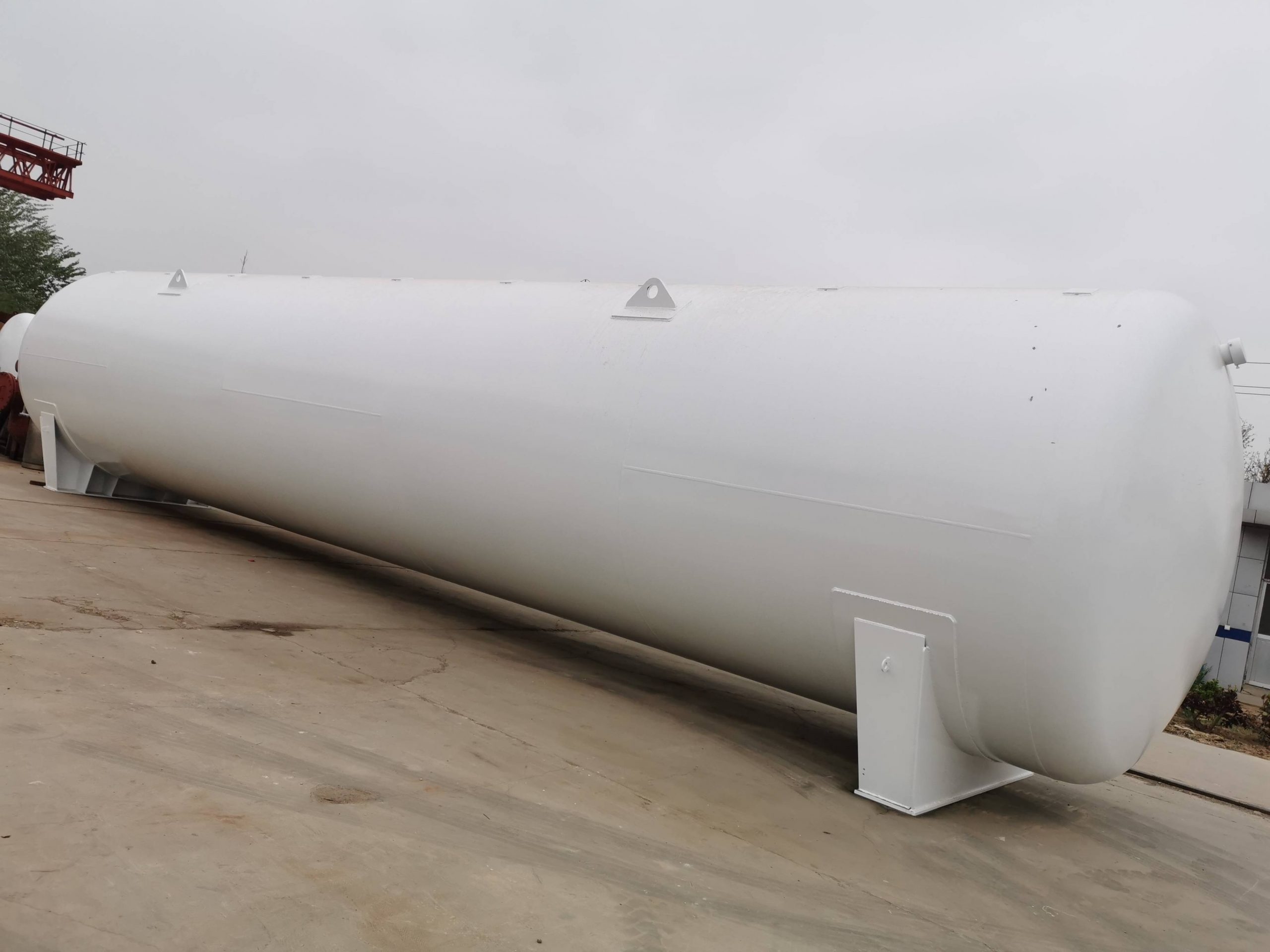
An underground Liquefied Petroleum Gas (LPG) storage tank is a specialized container designed to store LPG in its liquid form beneath the ground surface.
Above-ground oil tanks require less maintenance than underground tanks since they are more visible and easily accessible. This is because any repairs or replacements do not require excavation.