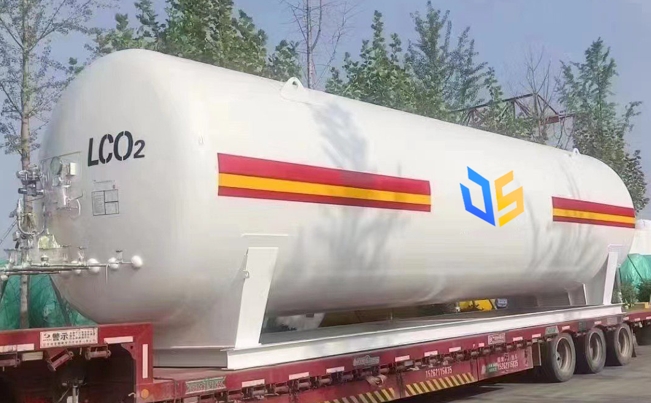
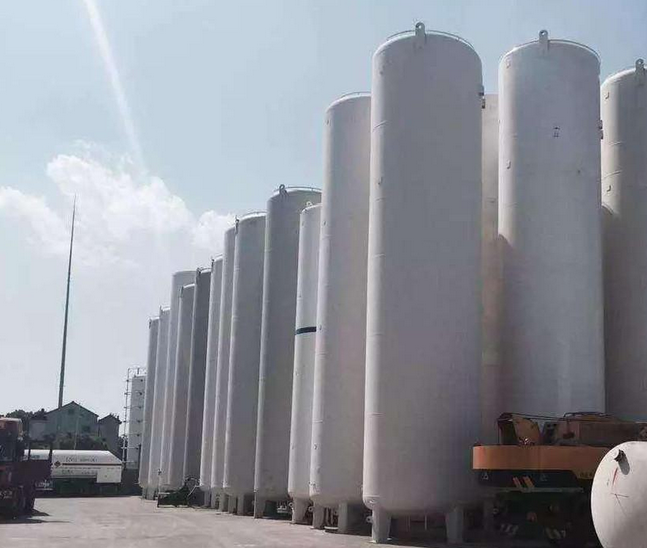
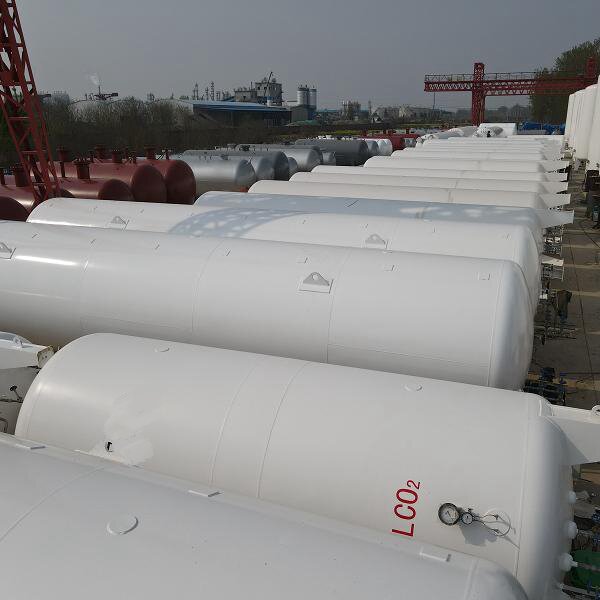
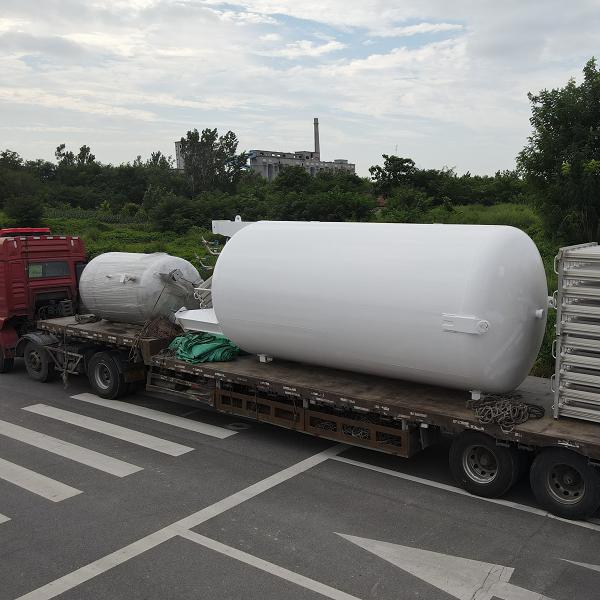
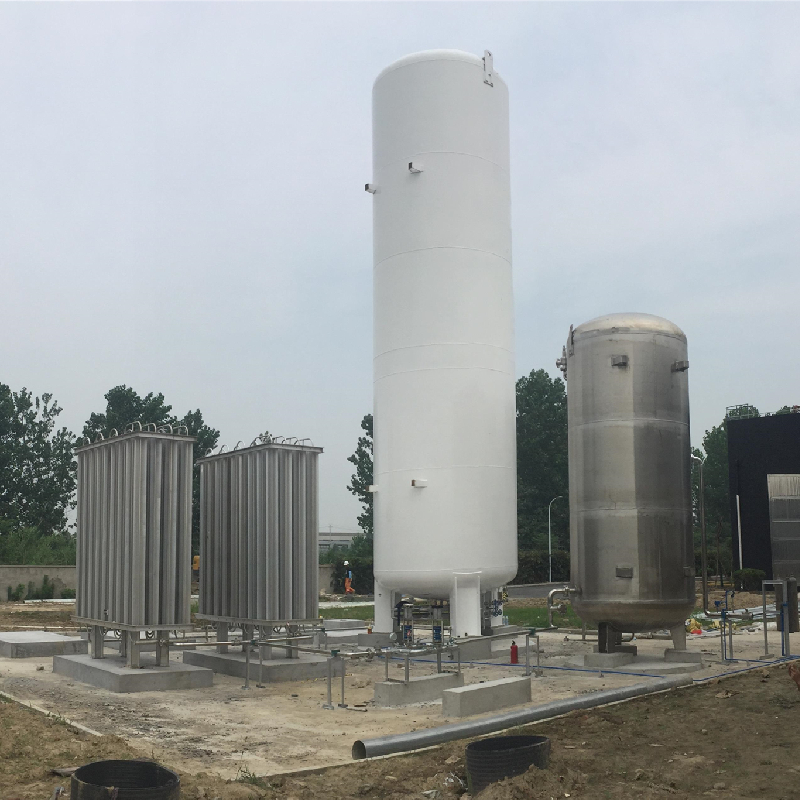
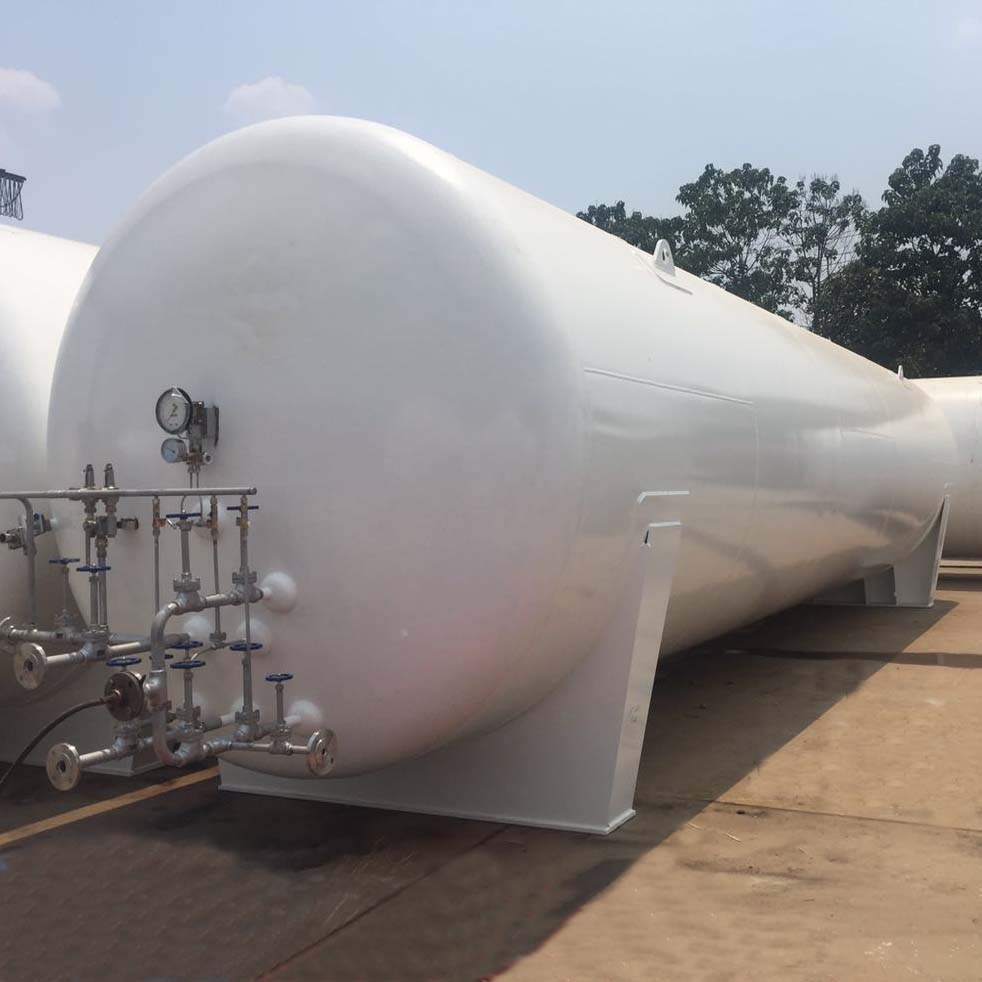
LCO2 Tanks: Uses and Significance: LCO2 tanks help with carbonation in the beverage industry, guaranteeing the fizziness and flavor of carbonated beverages. LCO2 tanks emit CO2 gas to displace oxygen and put out fires without leaving behind residue, which is another way that carbon dioxide is used in fire suppression systems.
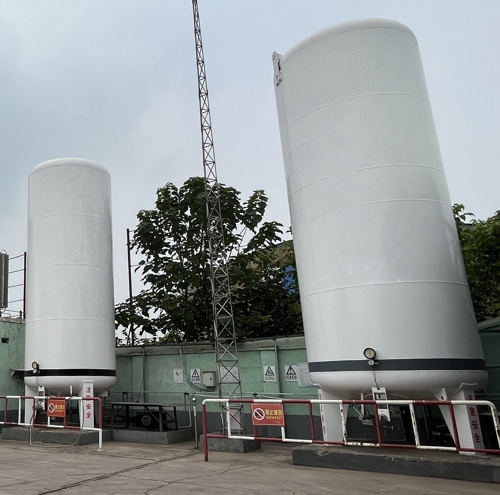
Cryogenic liquids include liquid argon, liquid nitrogen, and liquid oxygen. These are the temperatures at which they boil: Oxygen in liquid at -297.3°F and -183°C Nitrogen Liquid -320.4°F | -195.8°C -185.9°C | -302.6°F Liquid Argon The storage vessel needs to be specifically built to reduce heat transmission and maintain extremely low temperatures.
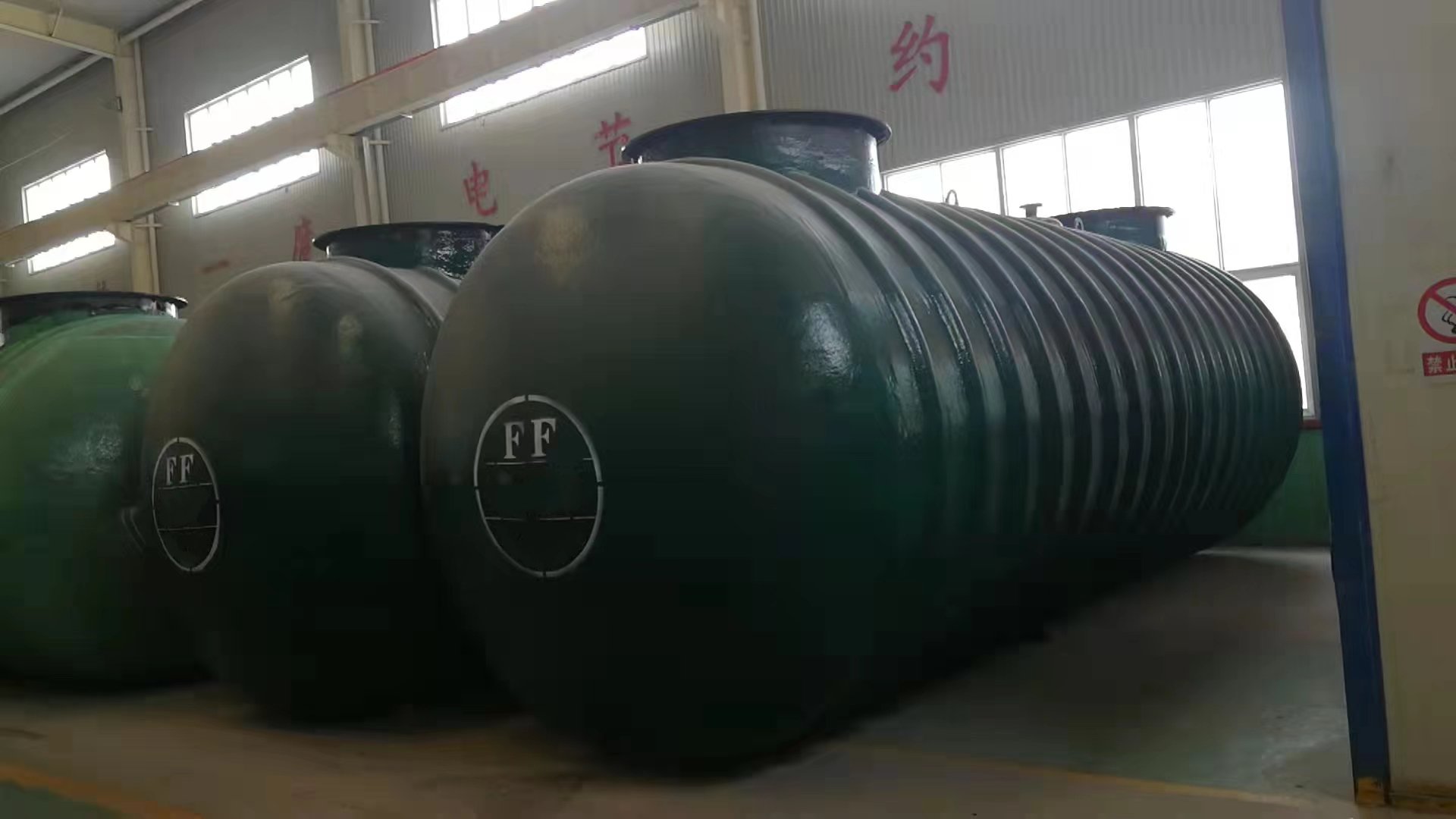
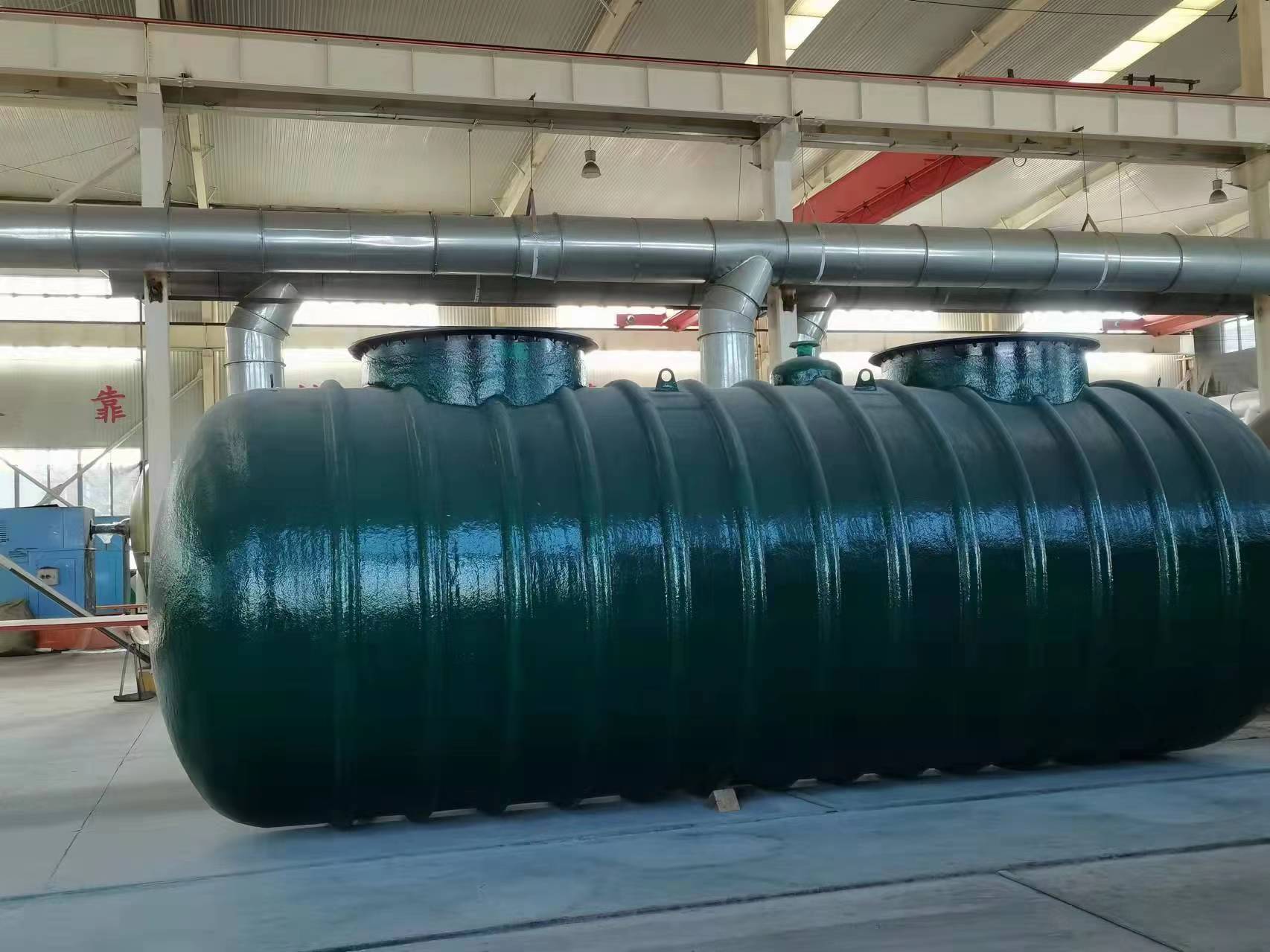
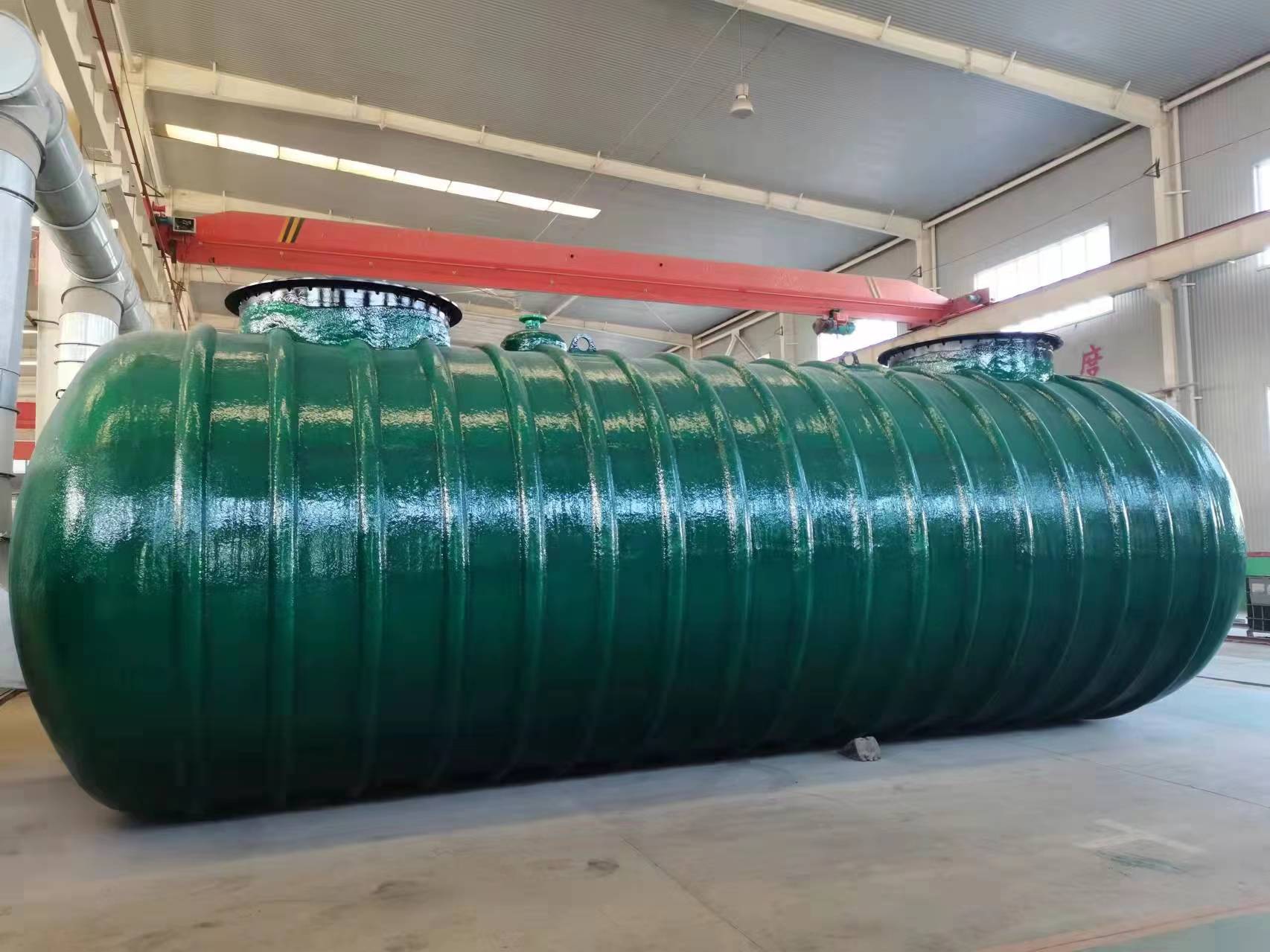
The advantage of FF fuel tank.
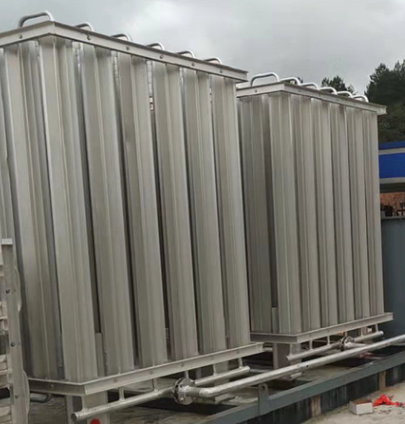
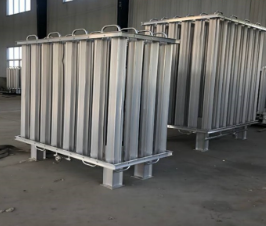
As an energy-efficient device, air-temperature vaporizer plays an increasingly important role in modern industrial production and energy conversion.
Daily inspection of cryogenic storage tanks.
The air temperature vaporizer mainly relies on the natural convection air in the atmosphere as the heat source, and the low-temperature liquid in the heat exchange tube absorbs the external heat and then vaporizes.
The air-temperature vaporizer utilizes the natural convection of air to heat the low-temperature liquid in the heat exchange tube, causing it to completely evaporate into gas.
Daily inspection of cryogenic storage tanks mainly includes the following contents.
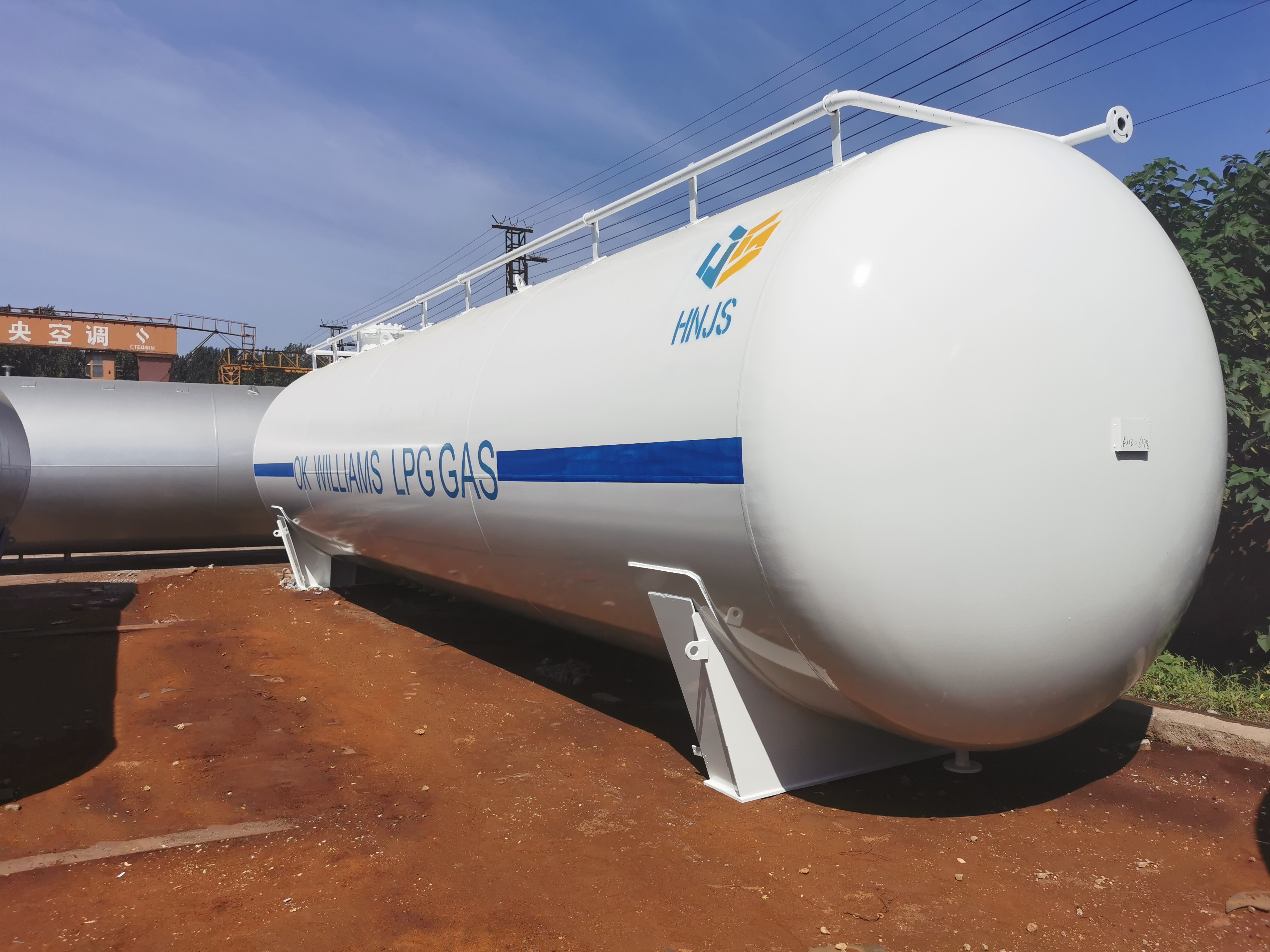
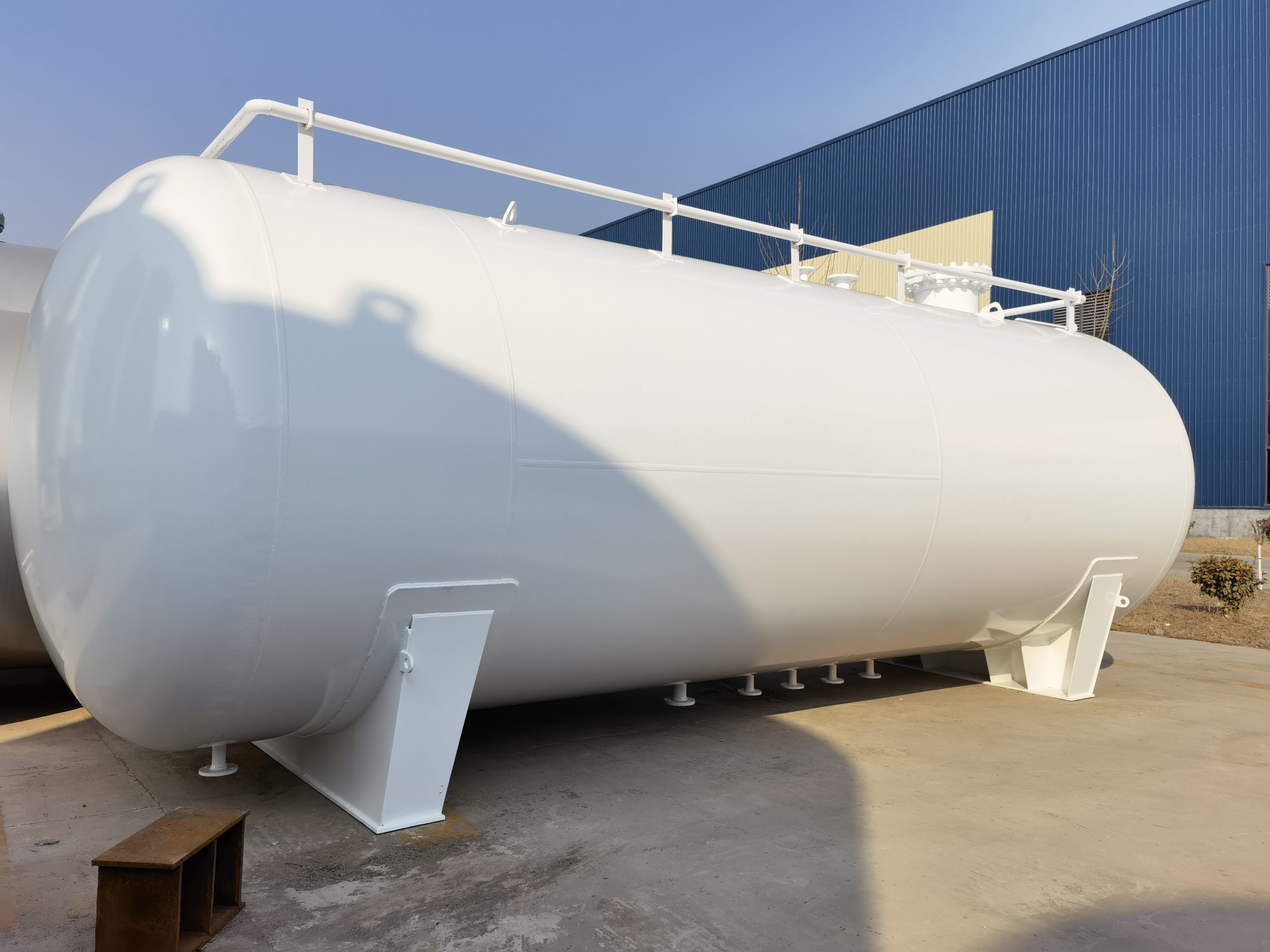
Material and manufacturing: Usually made of high-strength steel to ensure its safety and durability under high-pressure environments. Strict safety standards and specifications must be followed during the manufacturing process
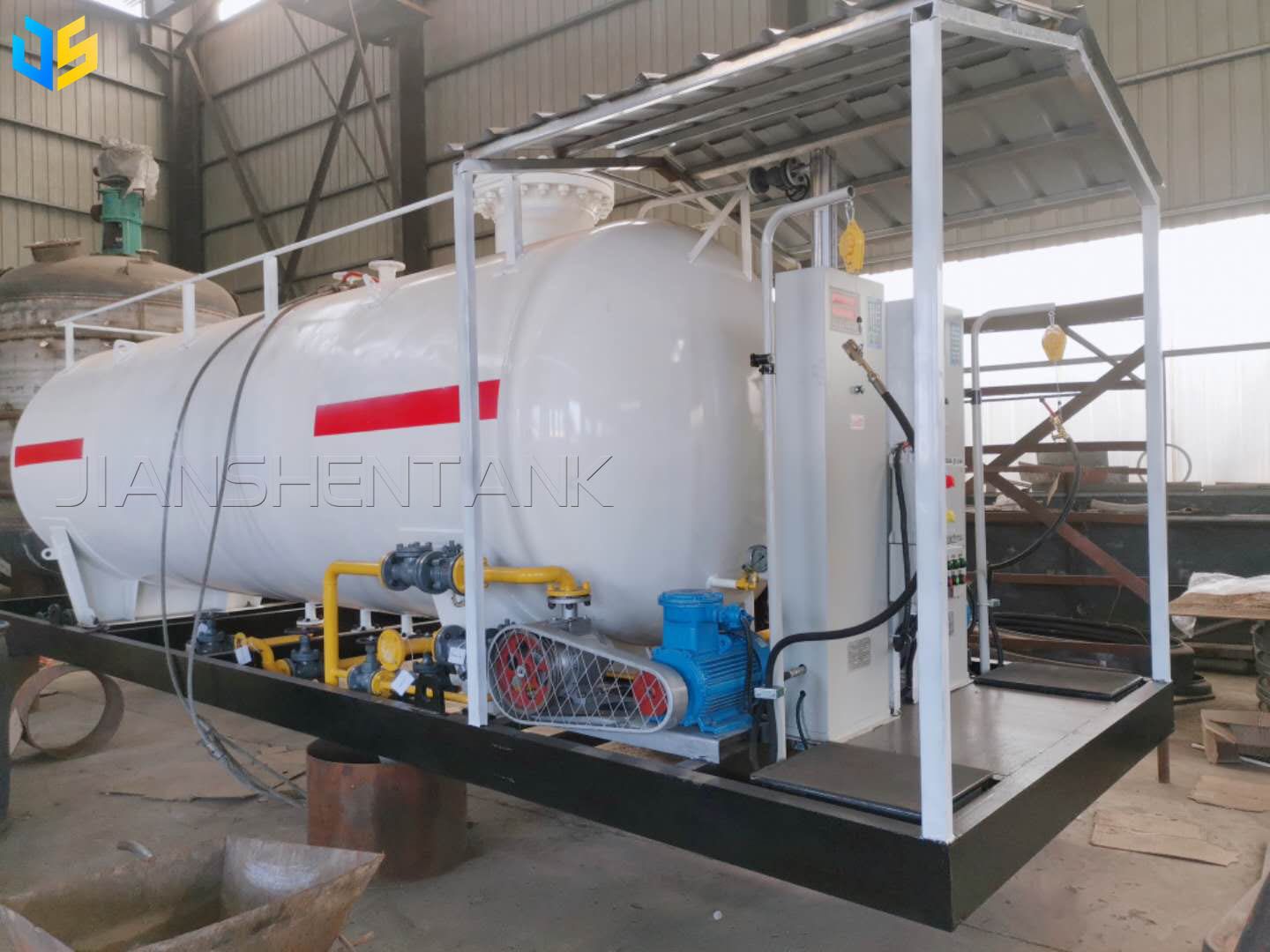
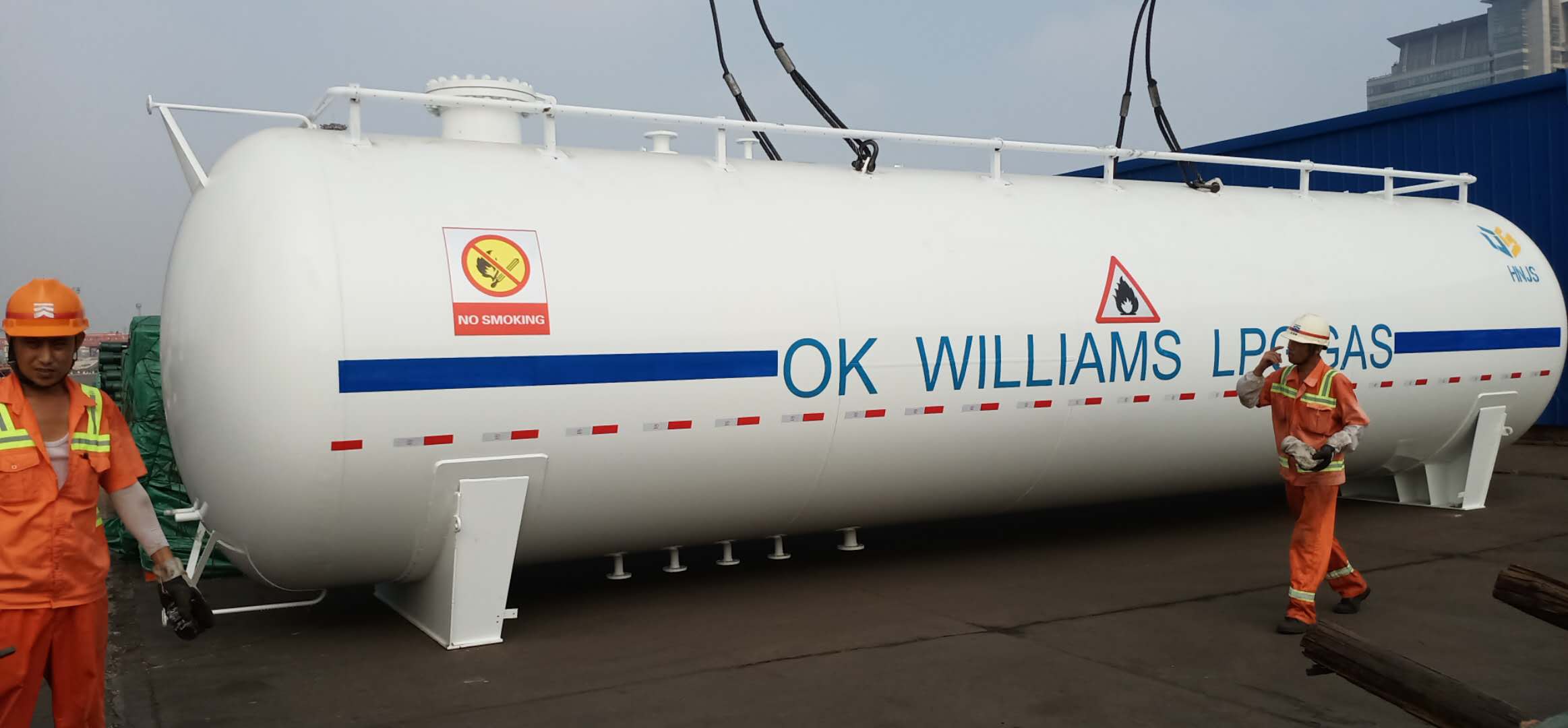
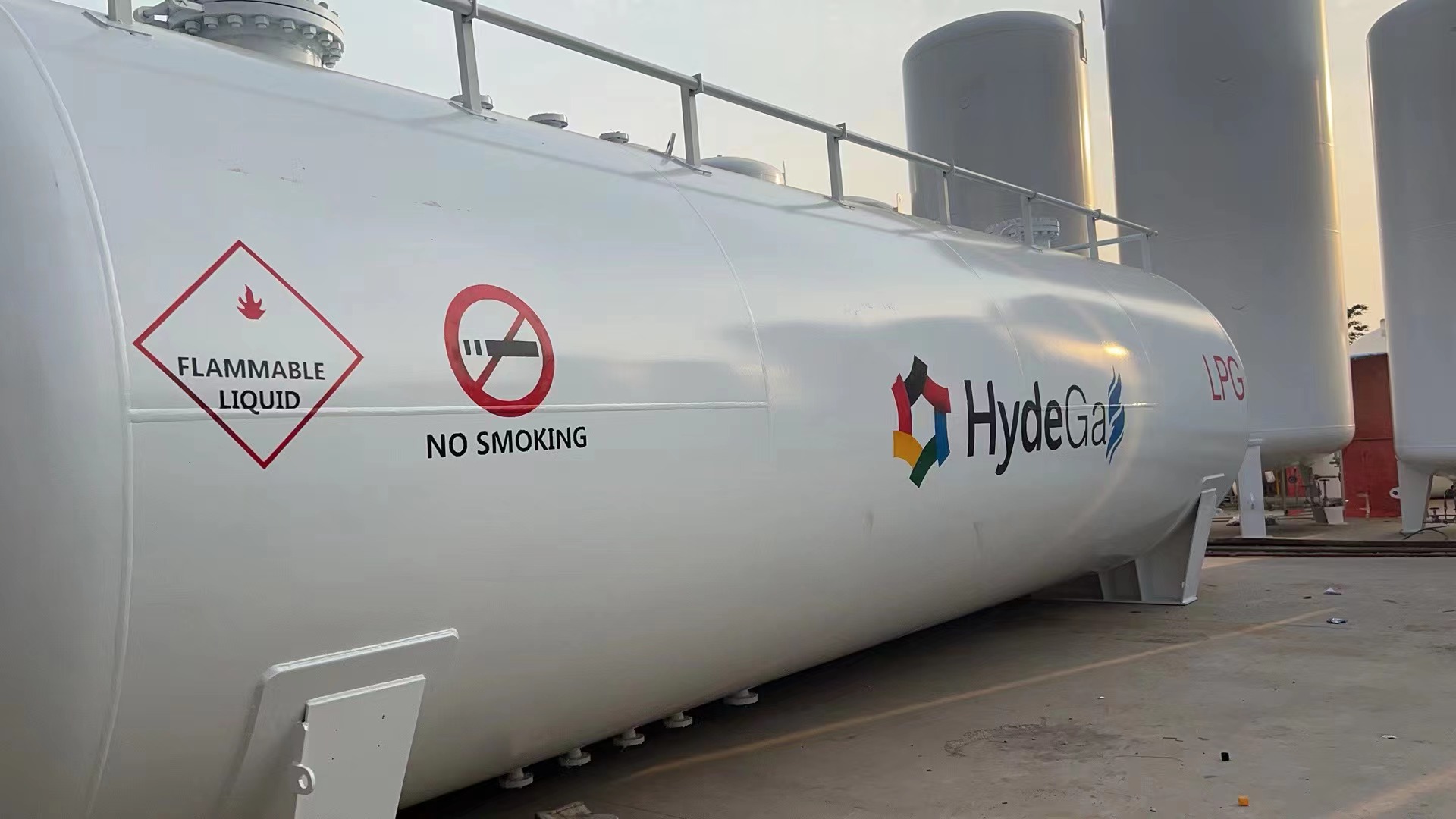
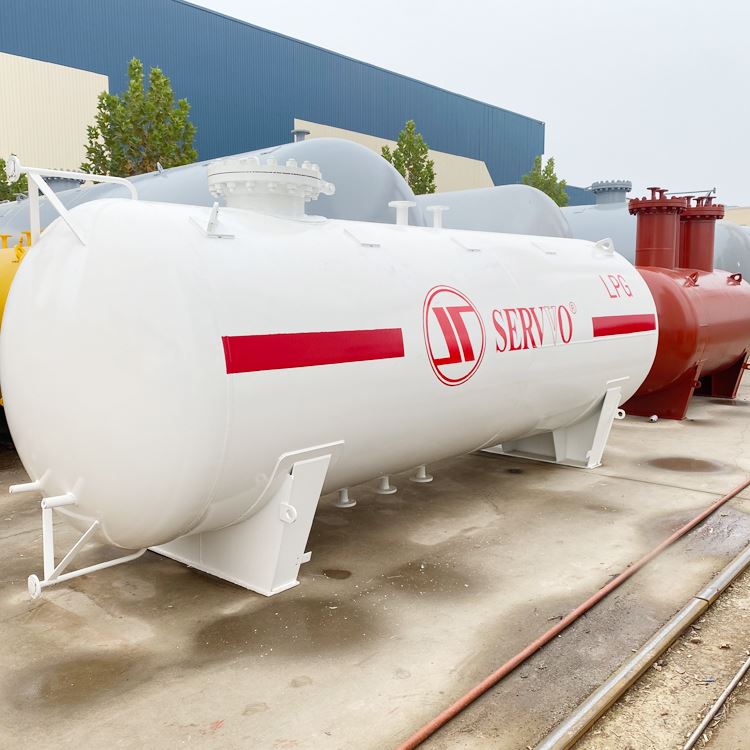
Shape and structure: LPG tanks can be spherical or cylindrical. Large fixed-volume tanks are mostly spherical, while small ones are mostly cylindrical. The main body of a spherical tank is a spherical shell, which is assembled and welded from multiple pre-pressed spherical panels.
LPG storage tanks are special containers for storing liquefied petroleum gas (LPG), usually made of steel, which can safely store LPG liquid under appropriate pressure and temperature conditions.
Another advantage of double-layer oil tanks is comprehensive liquid leak detection system.
Strong corrosion resistance of FF fuel tank.
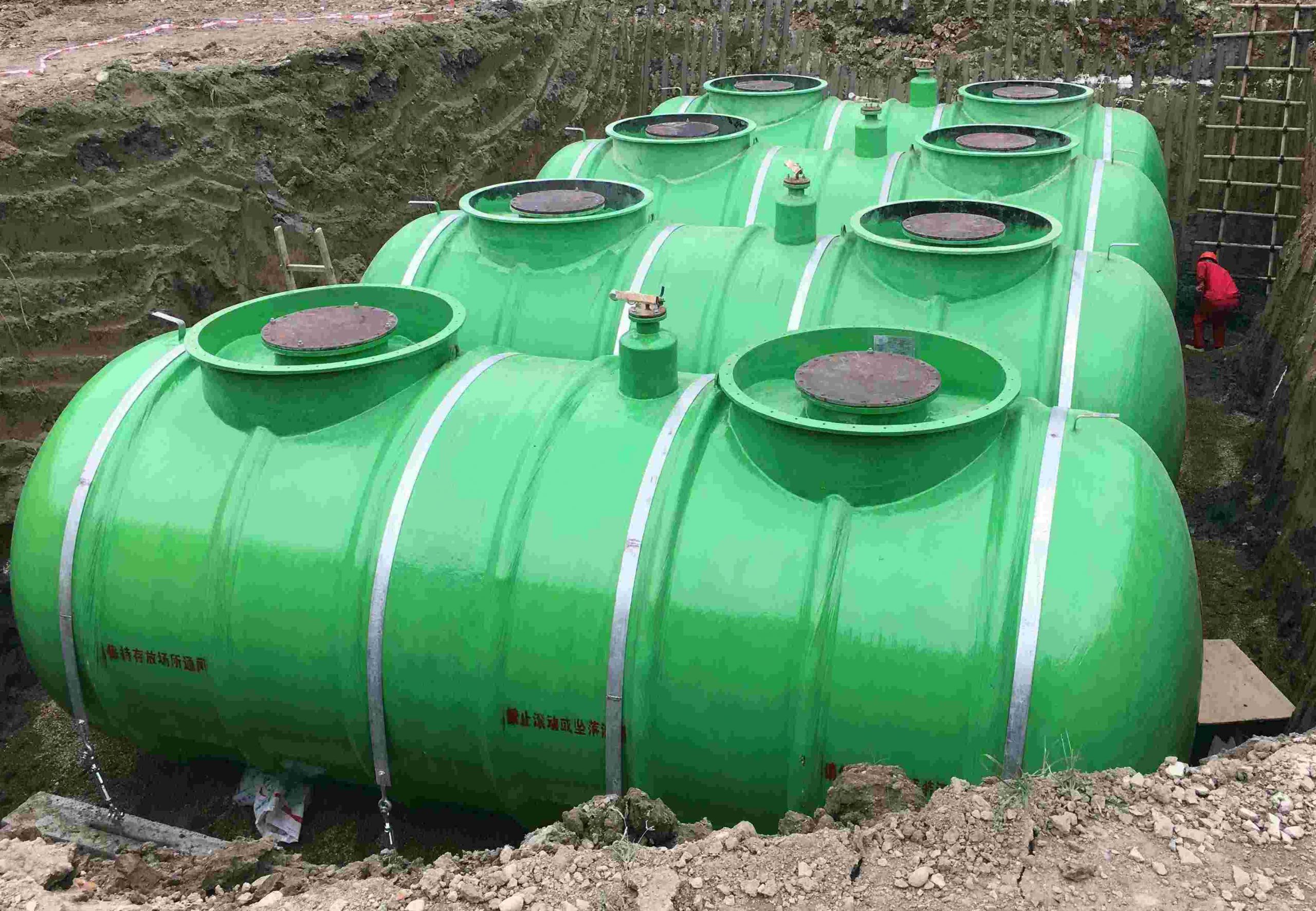
This double-layer tank can be directly buried under the driveway without the need to build a reinforced concrete load-bearing tank room.
The buried thickness of double-layer oil tank.
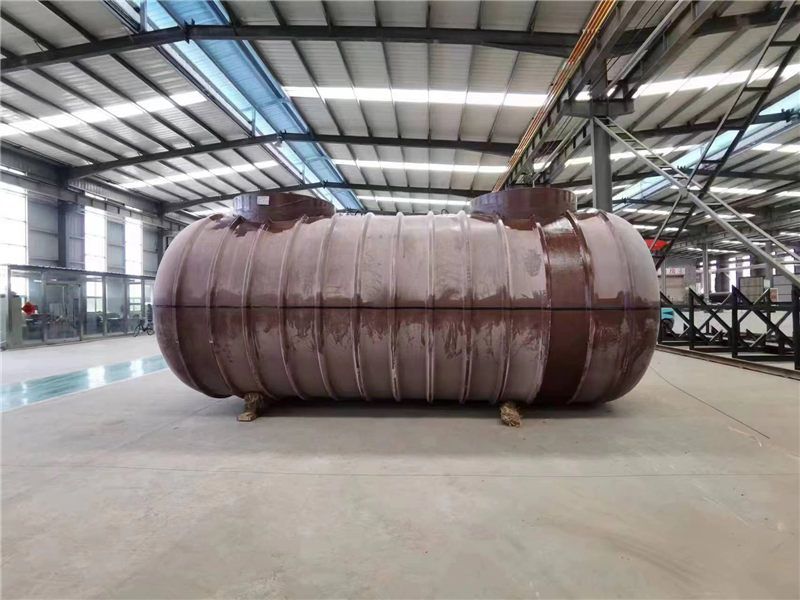
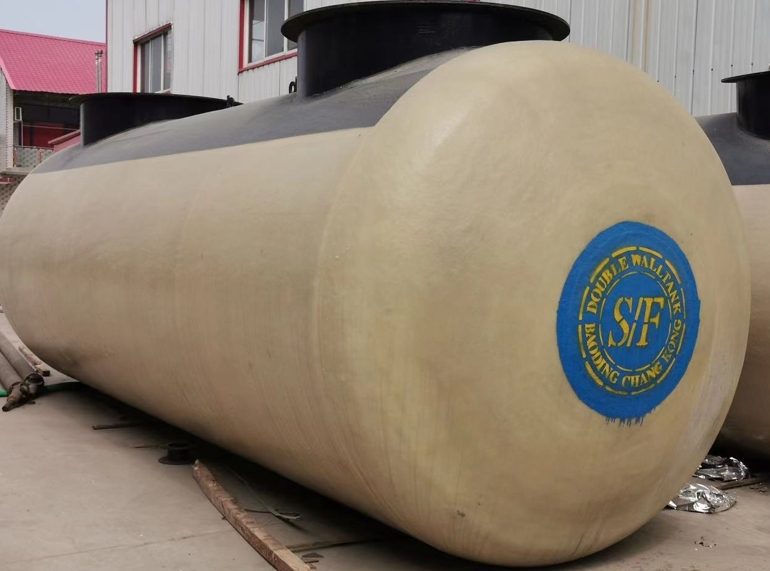
FF double-layer oil tank structure.
These tanks offer long-term cost savings due to reduced maintenance requirements and extended service life. Their efficient installation process further contributes to overall project cost-effectiveness.
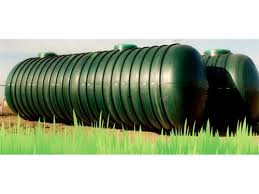
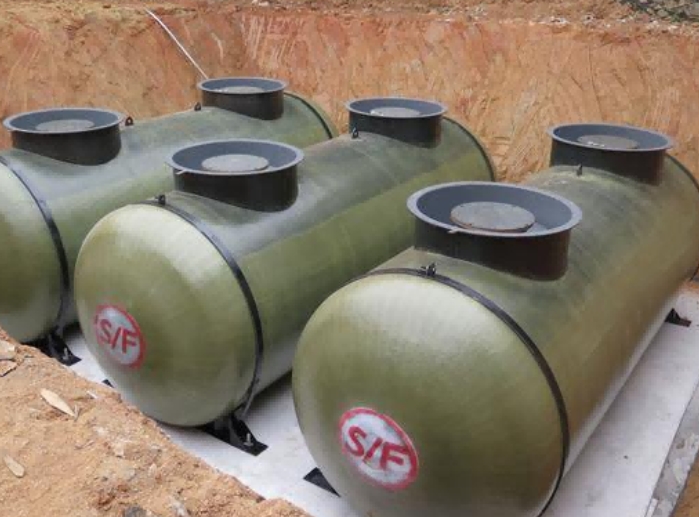
An S/F subterranean oil storage tank, also known as a buried storage tank, is one whose top cover is at least 0.5 meters thick and whose highest oil level is 0.2 meters below the lowest elevation of the surrounding area. These kinds of tanks are less likely to sustain damage or catch fire.
During installation. Examine protective coverings both during and following installation. Before the excavation is filled back in, fix any damage to the protective coatings right away.
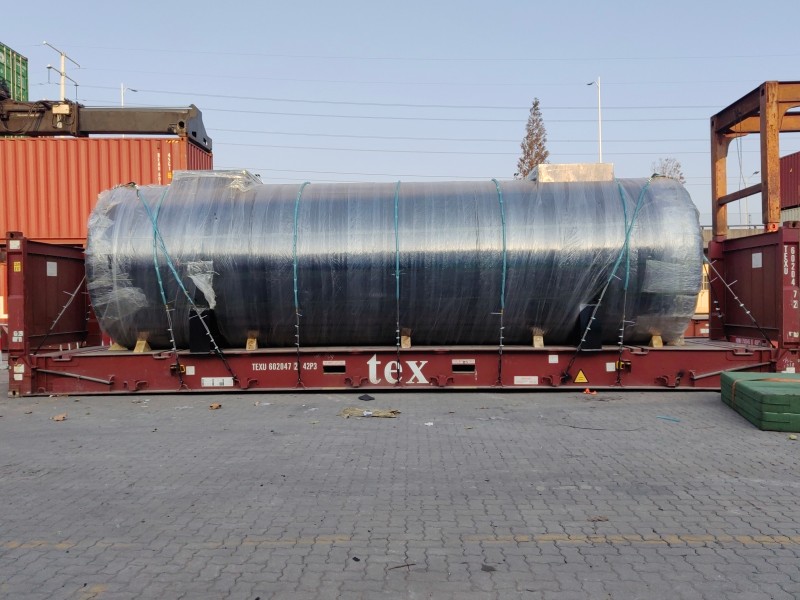
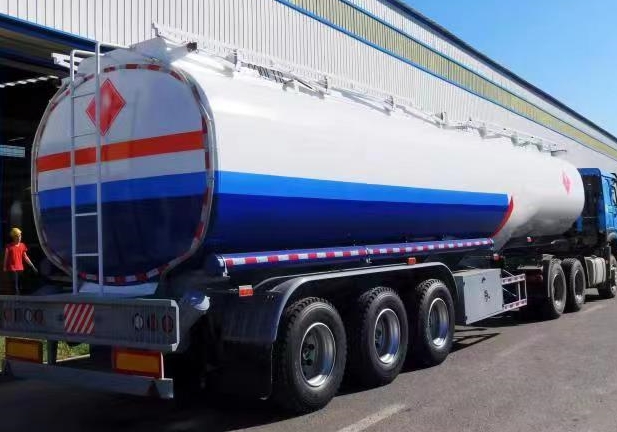
Gases and liquids are transported by tanker truck. Depending on the kind of liquid being transported, many tank designs exist. They can support one or more loads, be pressurized or not, and be insulated or not.
The anti-corrosion measures for fuel storage tanks mainly include coating protection, cathodic protection, improving storage conditions, selecting corrosion-resistant materials, and strengthening daily management.