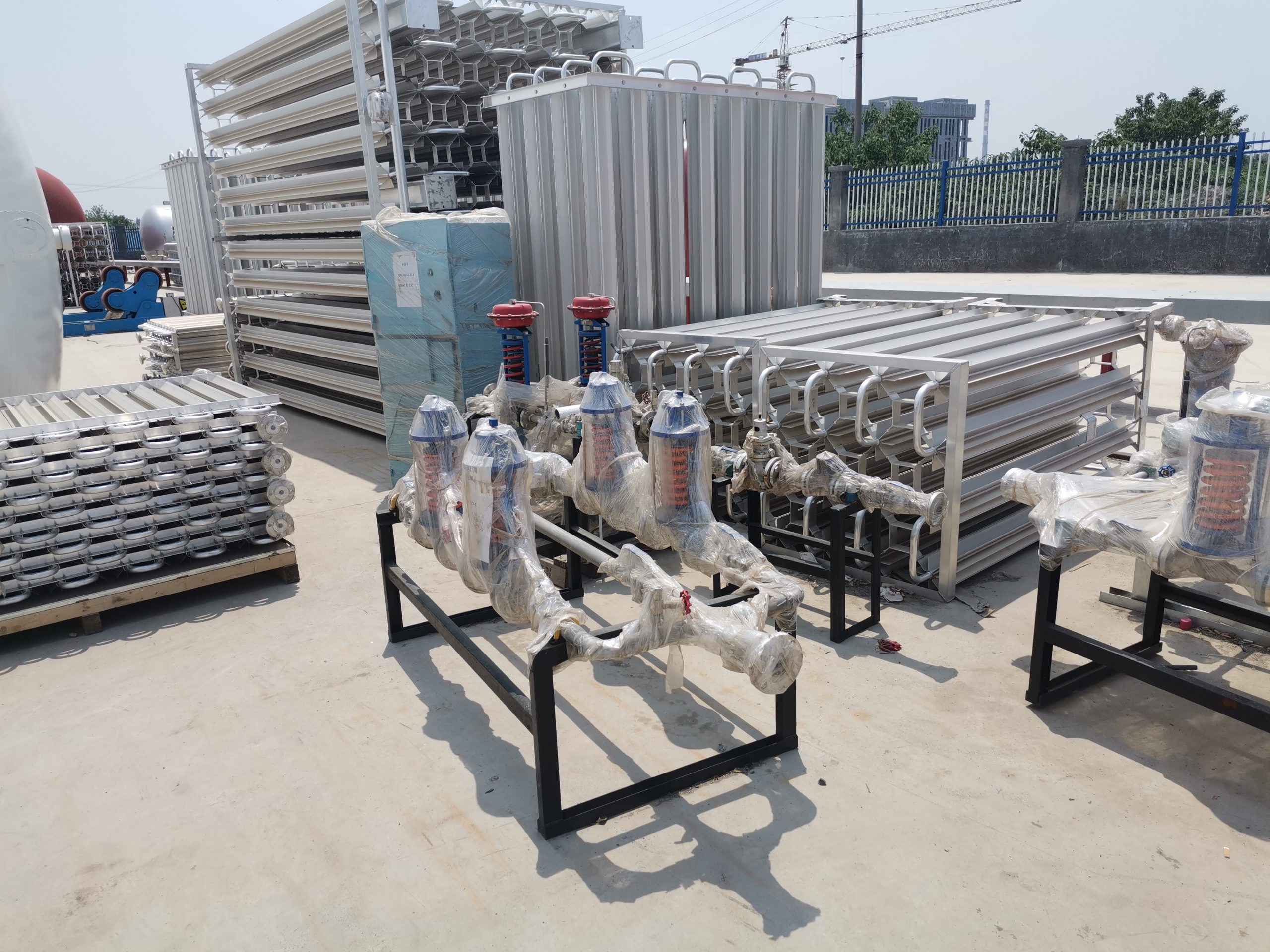
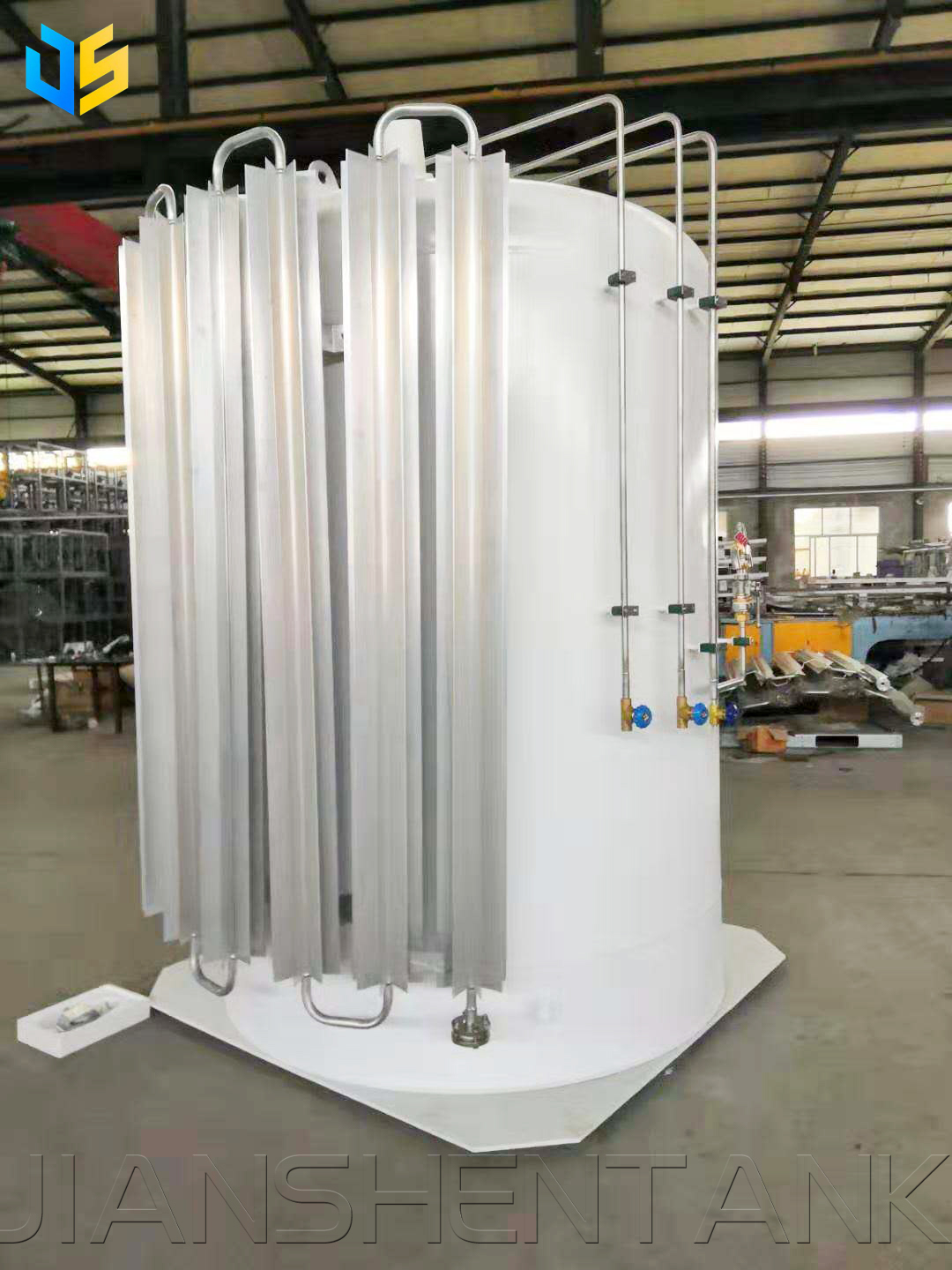
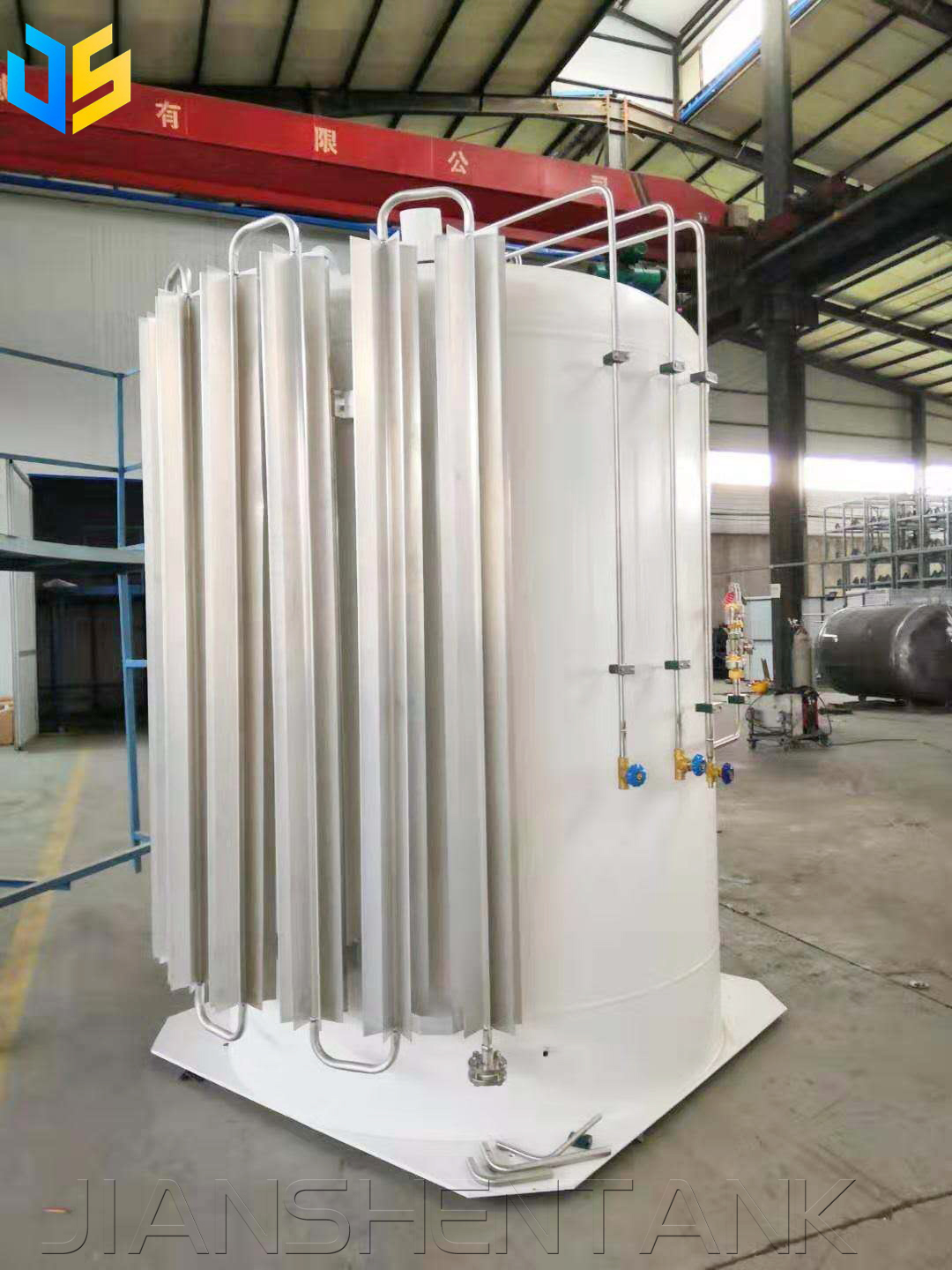
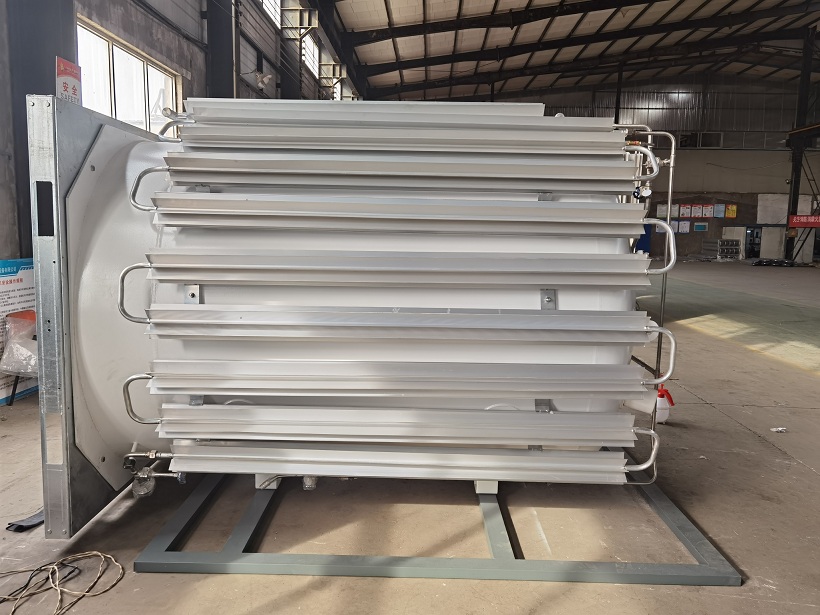
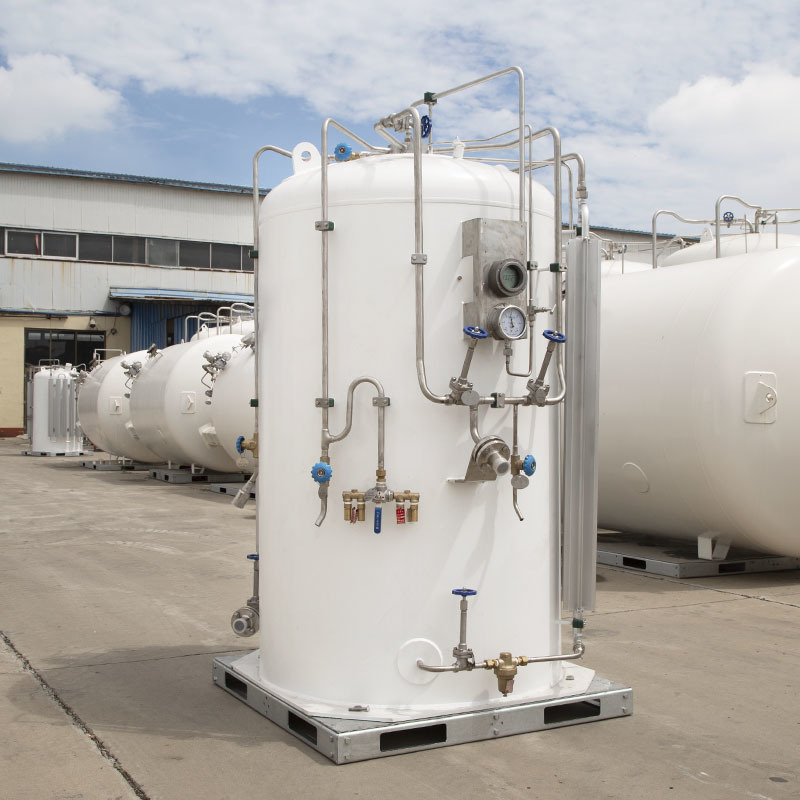
Working Principle of LNG (Liquefied Natural Gas) Tank Vaporizer
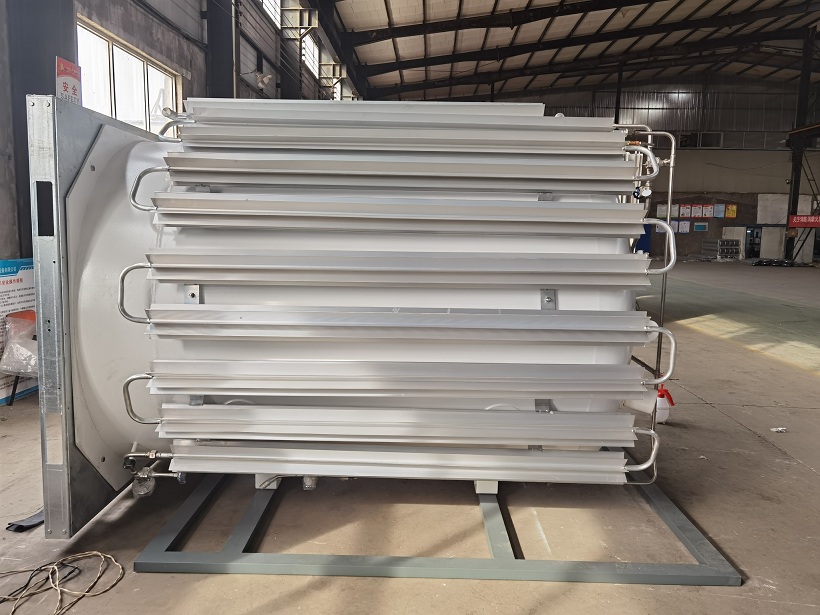
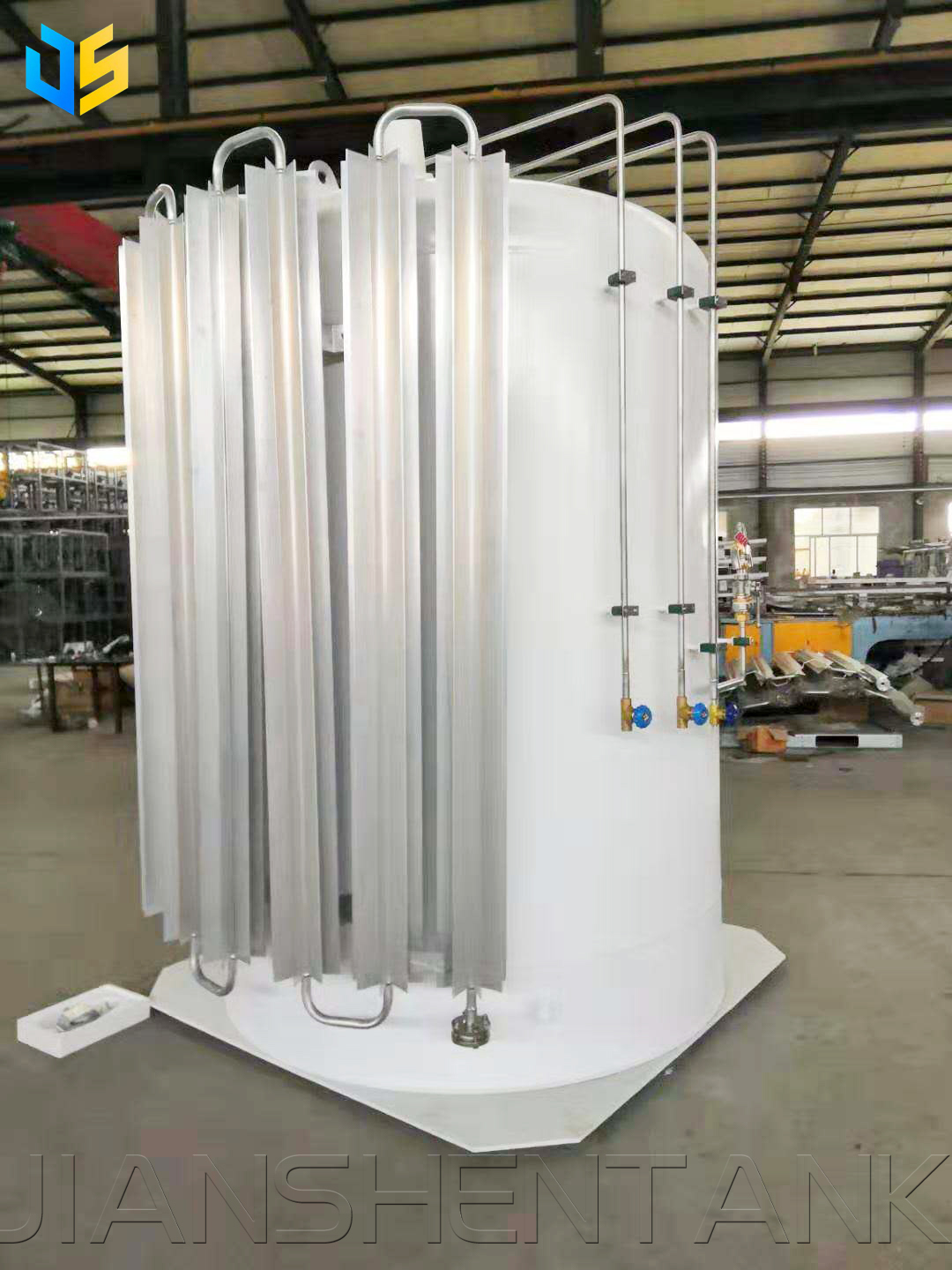
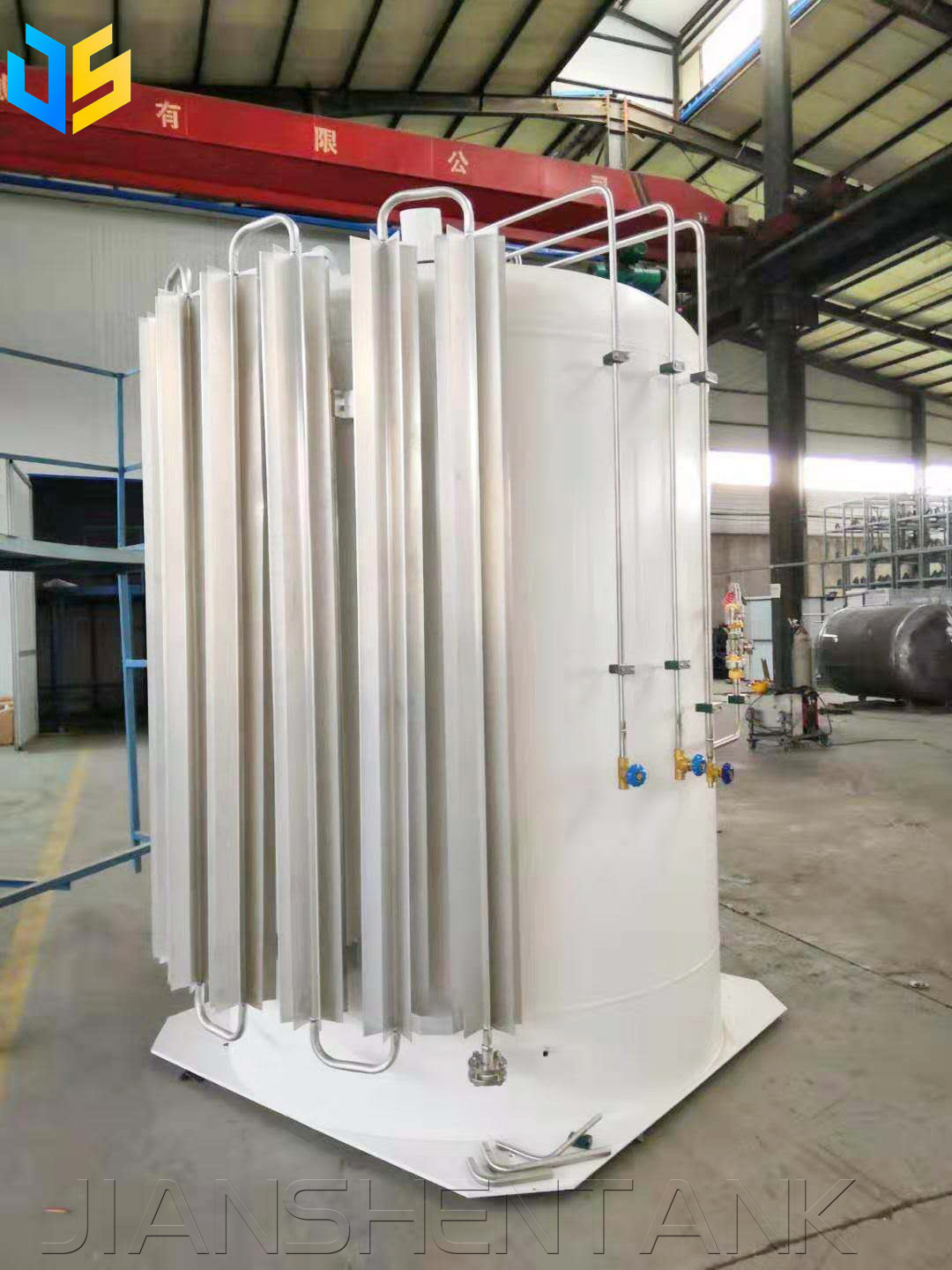
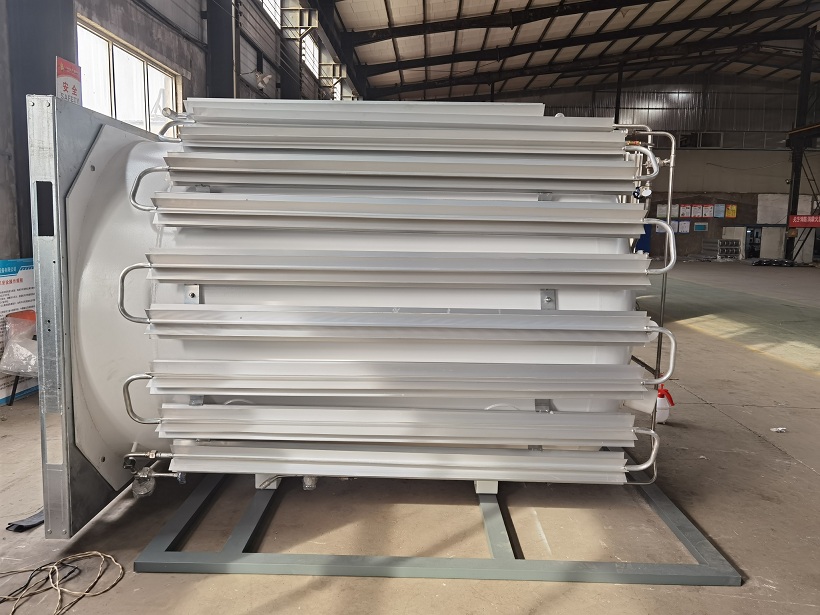
LNG (Liquefied Natural Gas) Tank Vaporizer is a device used to convert liquefied natural gas (LNG) into gaseous natural gas.
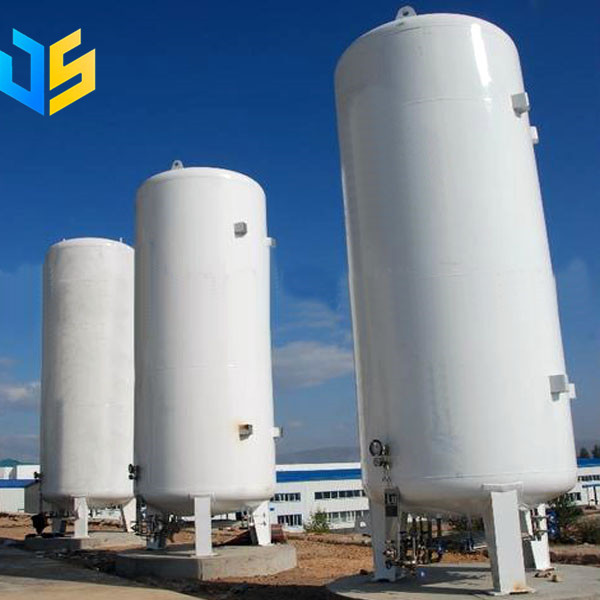
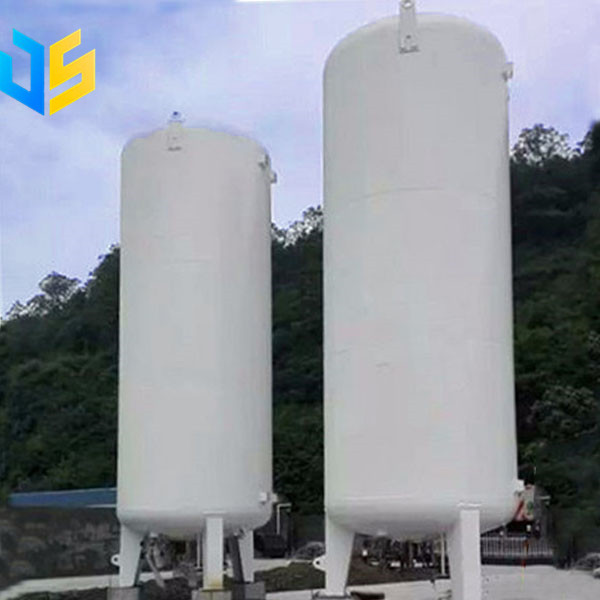
Liquid oxygen tanks have different requirements and standards in different application fields such as medical, industrial and aerospace.
The tank needs to be precooled before filling to avoid overheating when the liquid oxygen comes into contact with the inner wall of the tank.
The filling process of liquid oxygen tanks involves converting oxygen from gas to liquid and storing it safely in the tank. This process requires efficient equipment and strict control systems.
Evaporation losses in liquid oxygen storage tanks may lead to oxygen waste and environmental impact. Reduce the environmental impact of evaporation losses by optimizing design and operation.
Liquid oxygen tanks must take strict safety measures during operation and storage to prevent accidents.
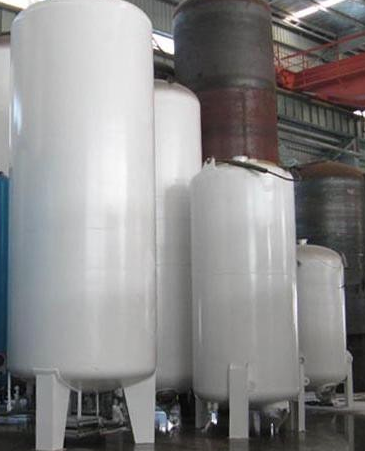
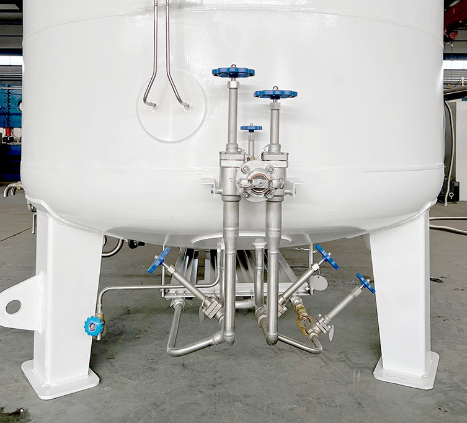
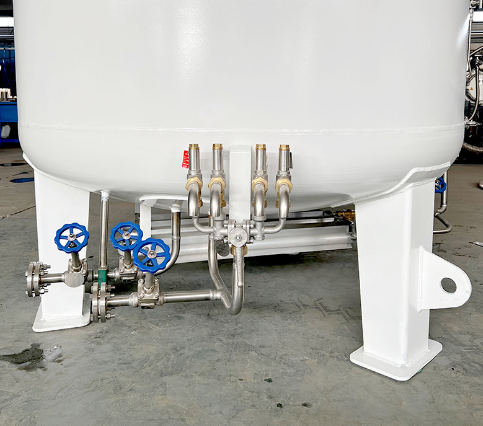
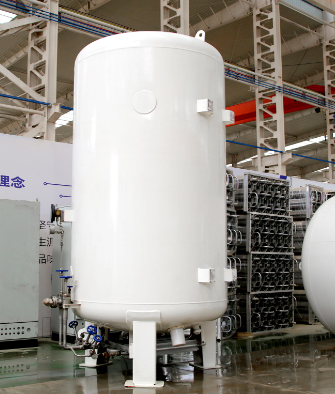
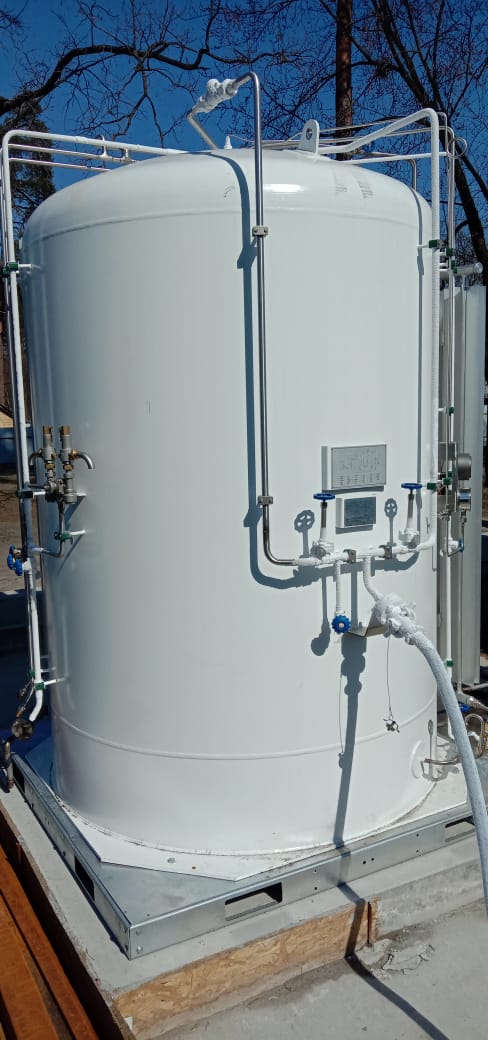
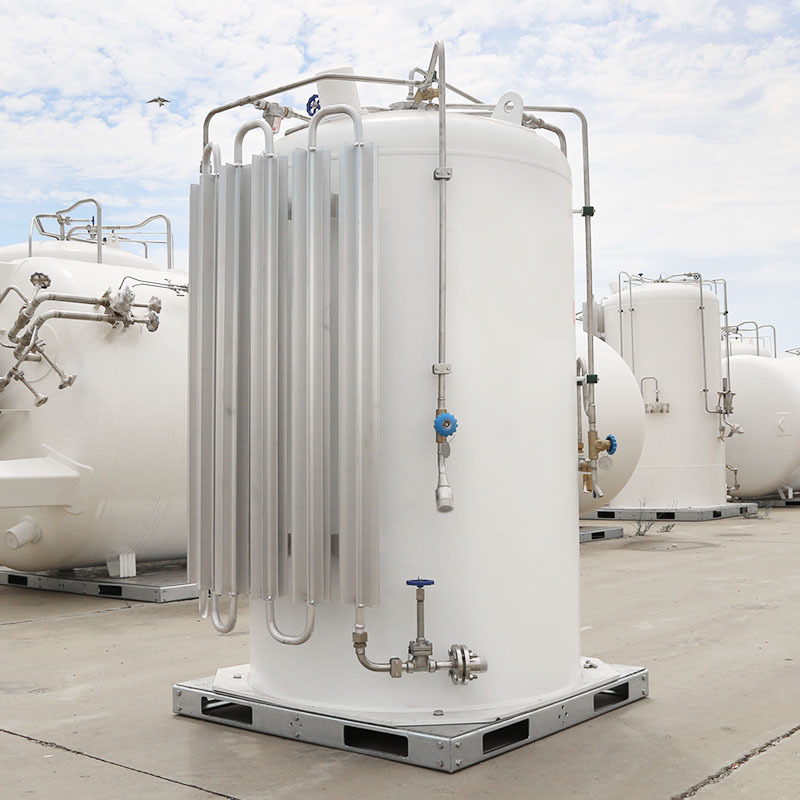
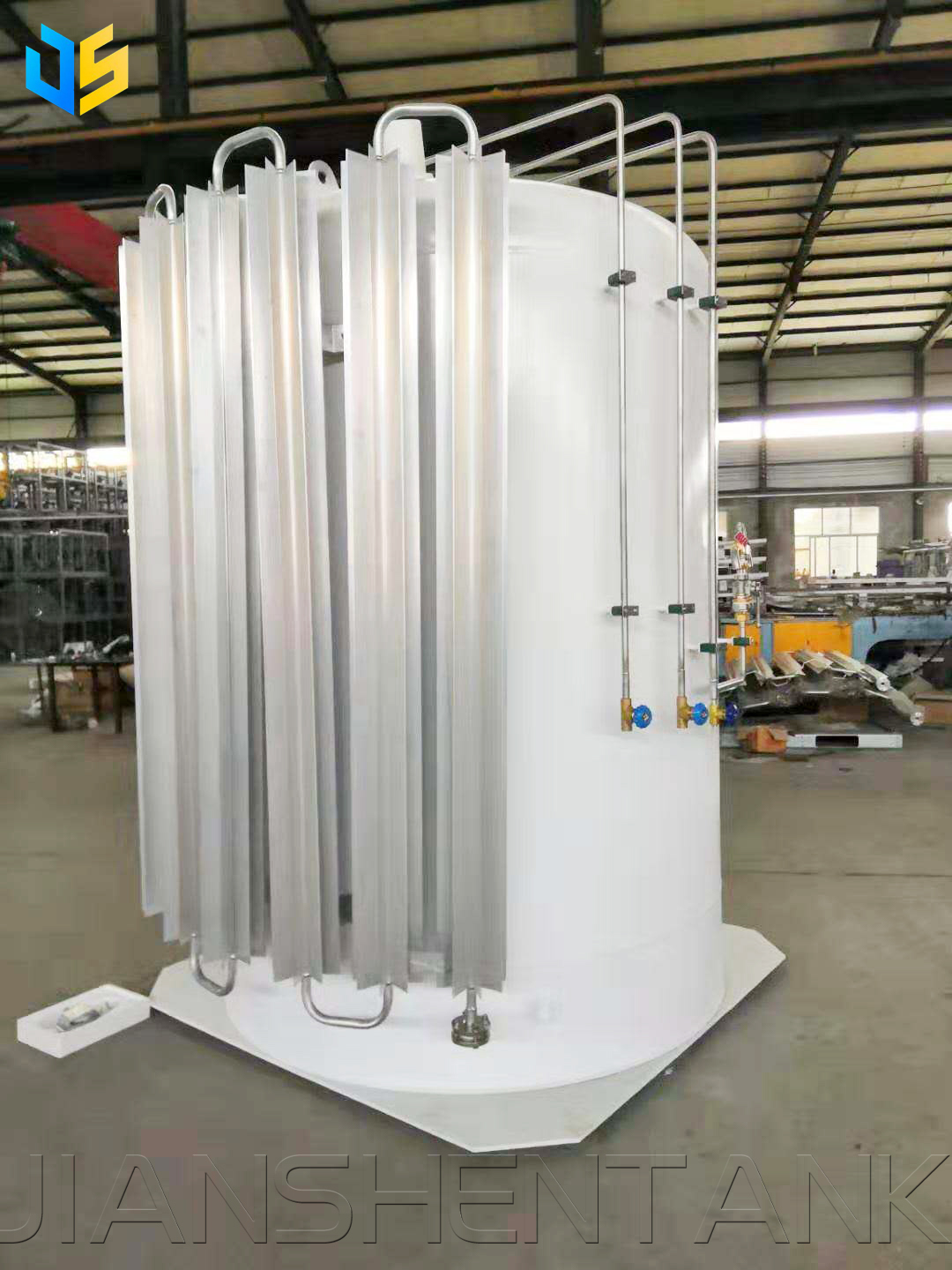
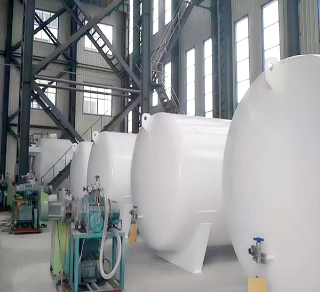
Liquid oxygen tanks convert oxygen into liquid by cooling it below its liquefaction point (about -183°C). A vacuum insulation layer is provided inside the tank to reduce the evaporation loss of liquid oxygen. Liquid oxygen is converted into gaseous oxygen for use when needed through an evaporator.
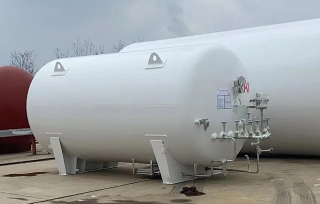
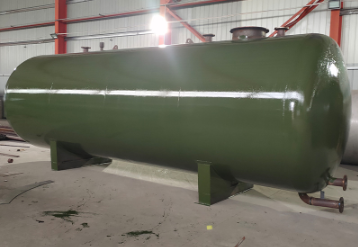
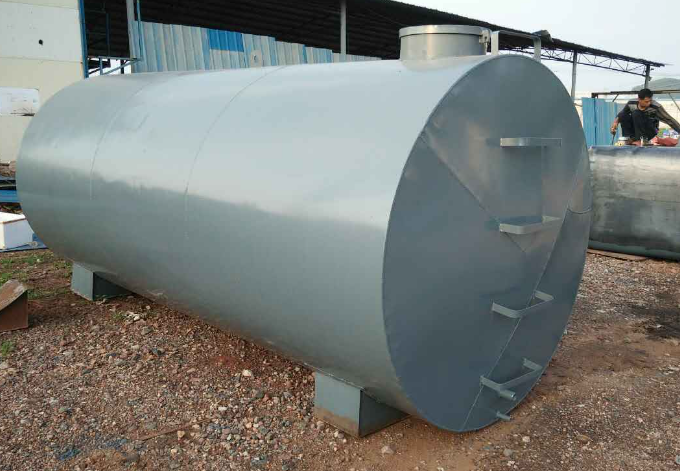
Aboveground carbon steel tanks are usually made of carbon steel. Carbon steel is a type of steel with a relatively high carbon content that has good mechanical properties and strength.
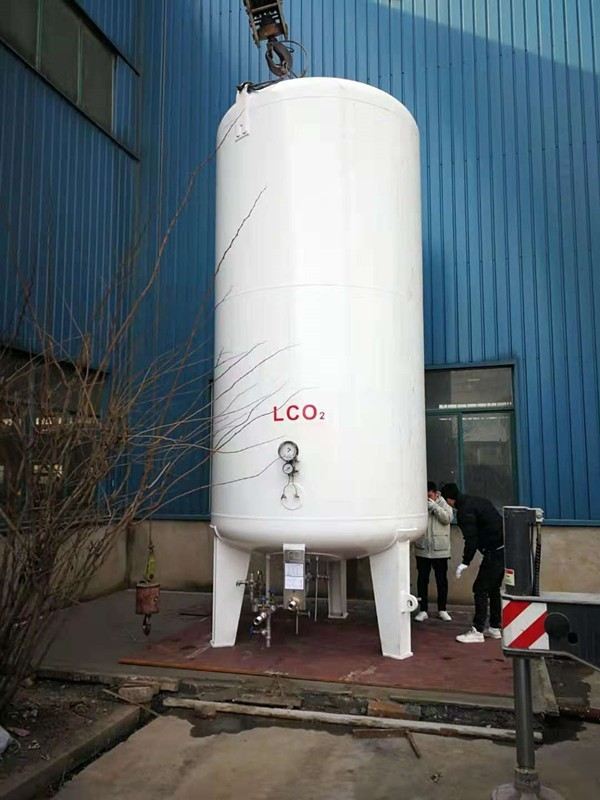
LCO2 storage tank, that is, the insulation measures of liquid carbon dioxide storage tank
LCO2 tanks, i.e. liquid carbon dioxide tanks, are designed to be high pressure
LCO2 storage tank, that is, liquid carbon dioxide storage tank
The primer uses epoxy resin primer, which provides good adhesion and corrosion resistance, is suitable for metal surfaces, and ensures effective adhesion and protection of subsequent topcoats.
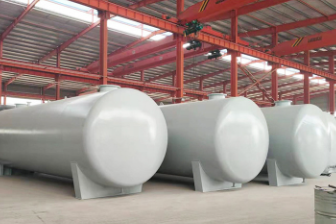
Aboveground carbon steel tanks are a common type of oil storage equipment, mainly used for the storage and transportation of petroleum and its derivatives.
Common welding methods include gas shielded arc welding (GMAW/MIG), tungsten inert gas welding (GTAW/TIG) and arc welding.
The design temperature of the tank is usually in the range of -20°C to -30°C (-4°F to -22°F)