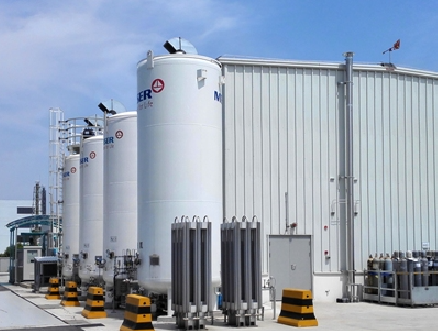
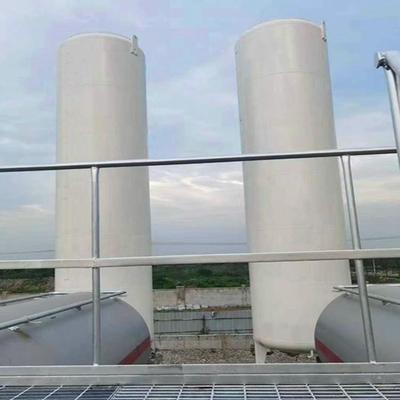
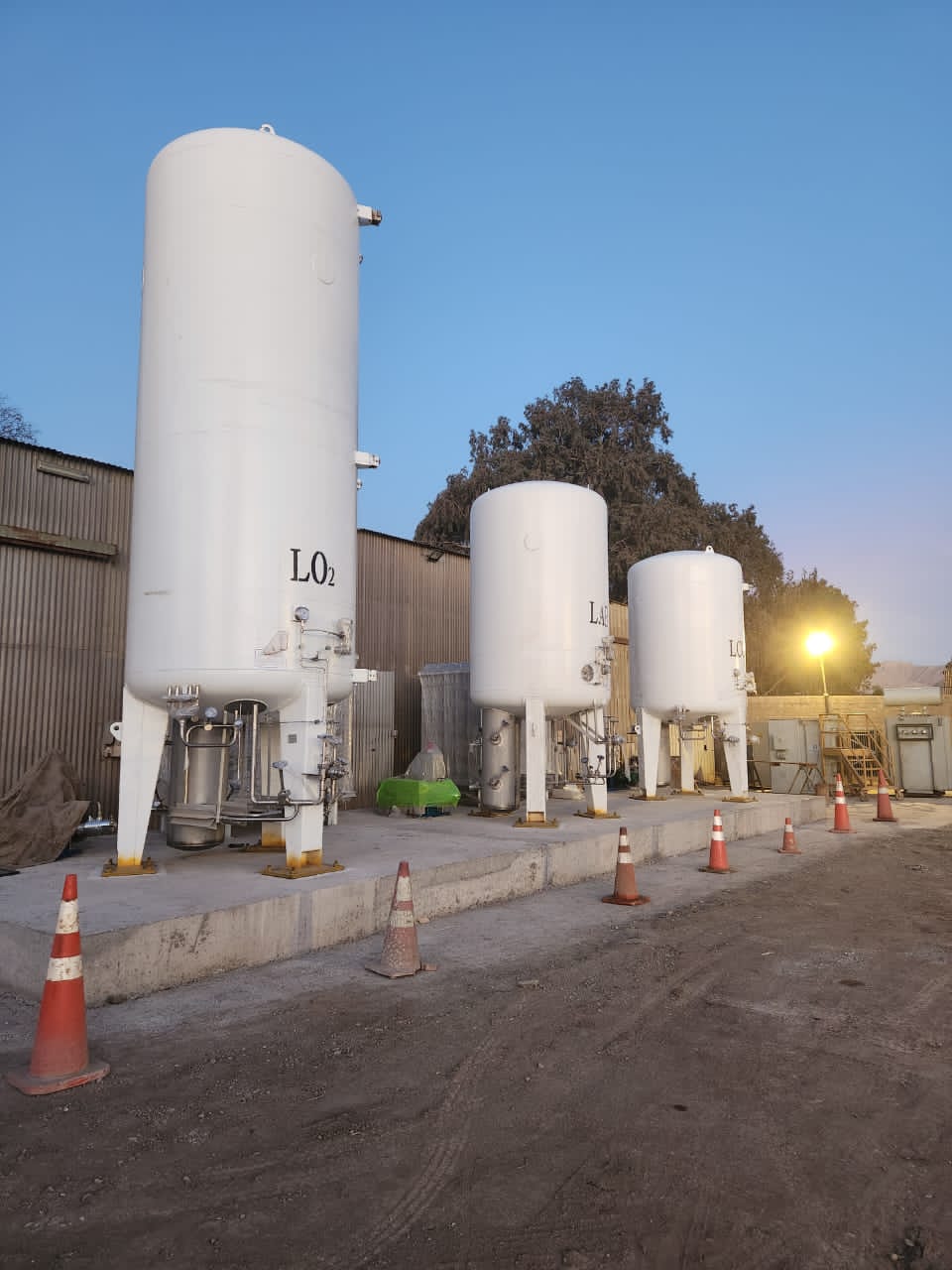
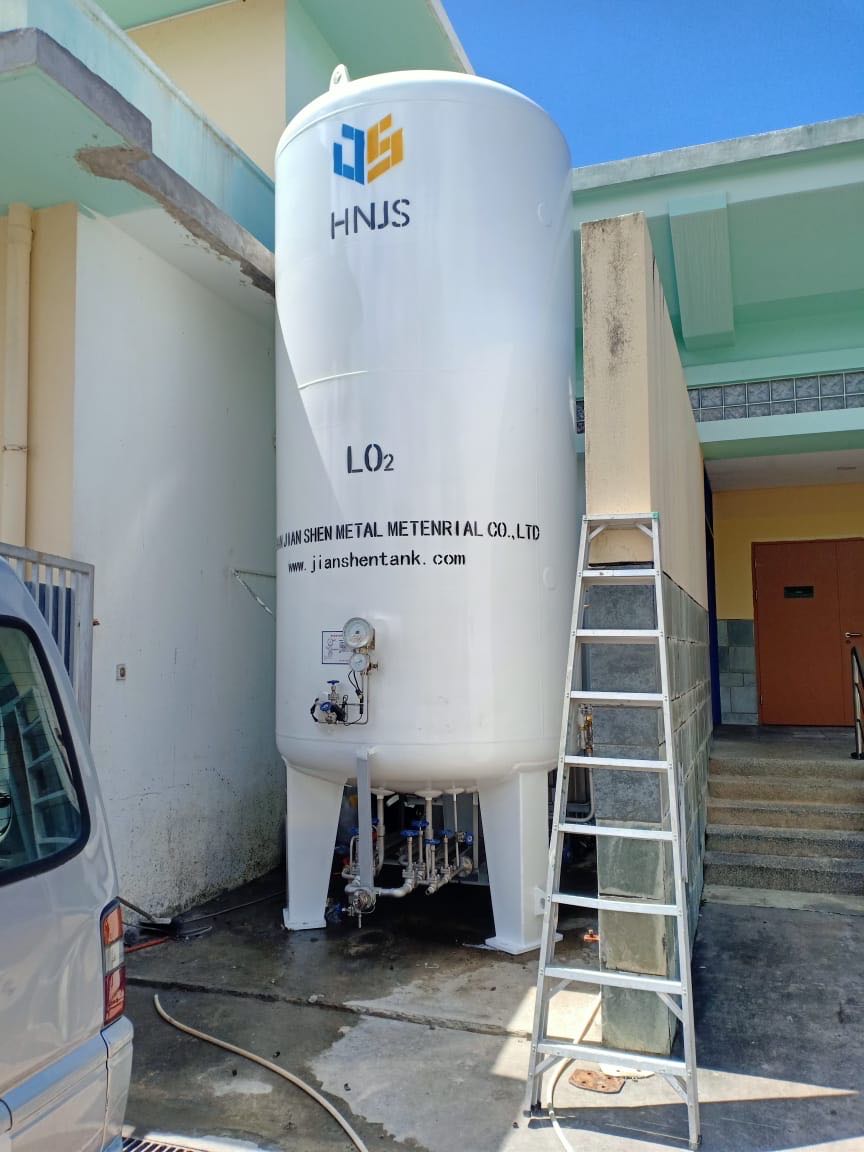
Liquid oxygen storage tanks are containers used to store liquefied oxygen.
The purpose of the safety distance of liquid oxygen storage tanks is to ensure safety.
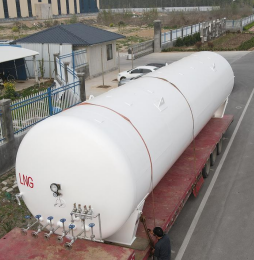
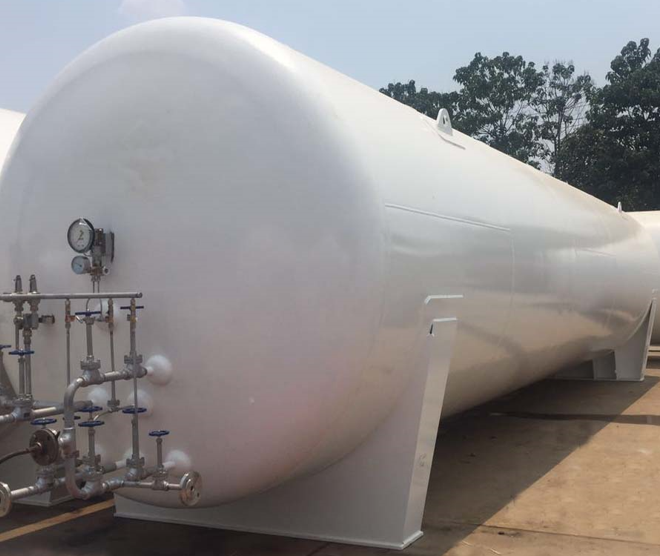
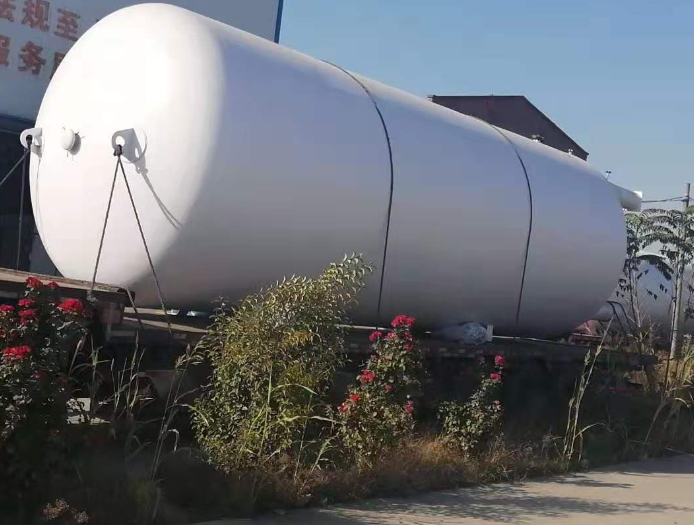
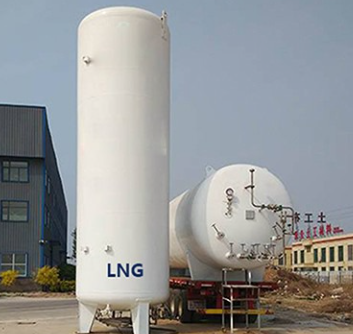
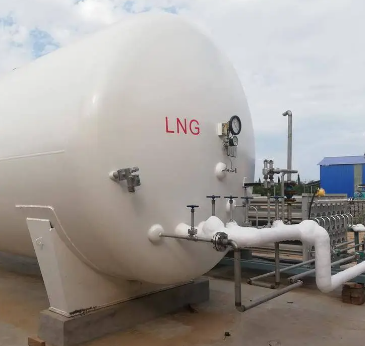
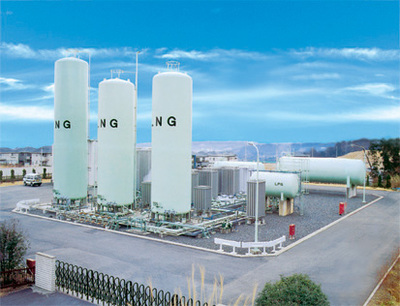
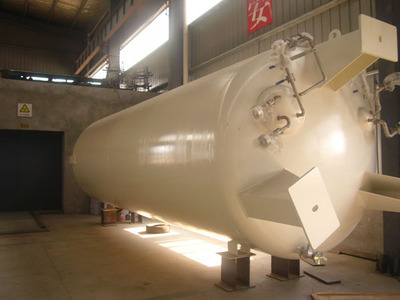
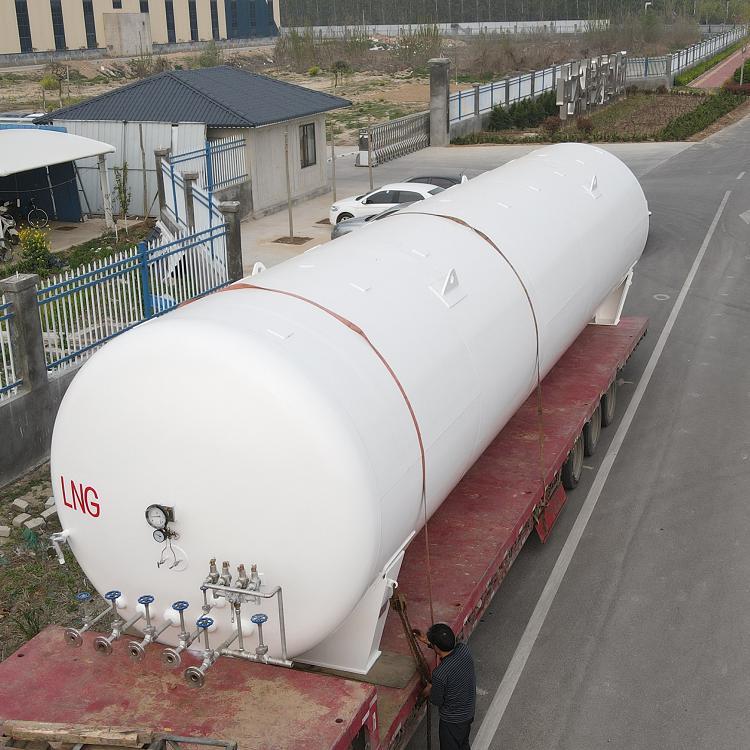
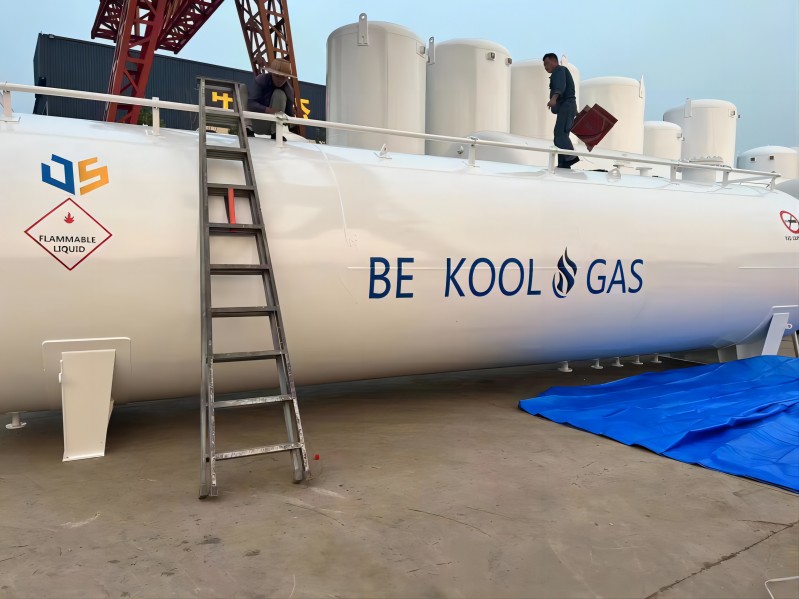
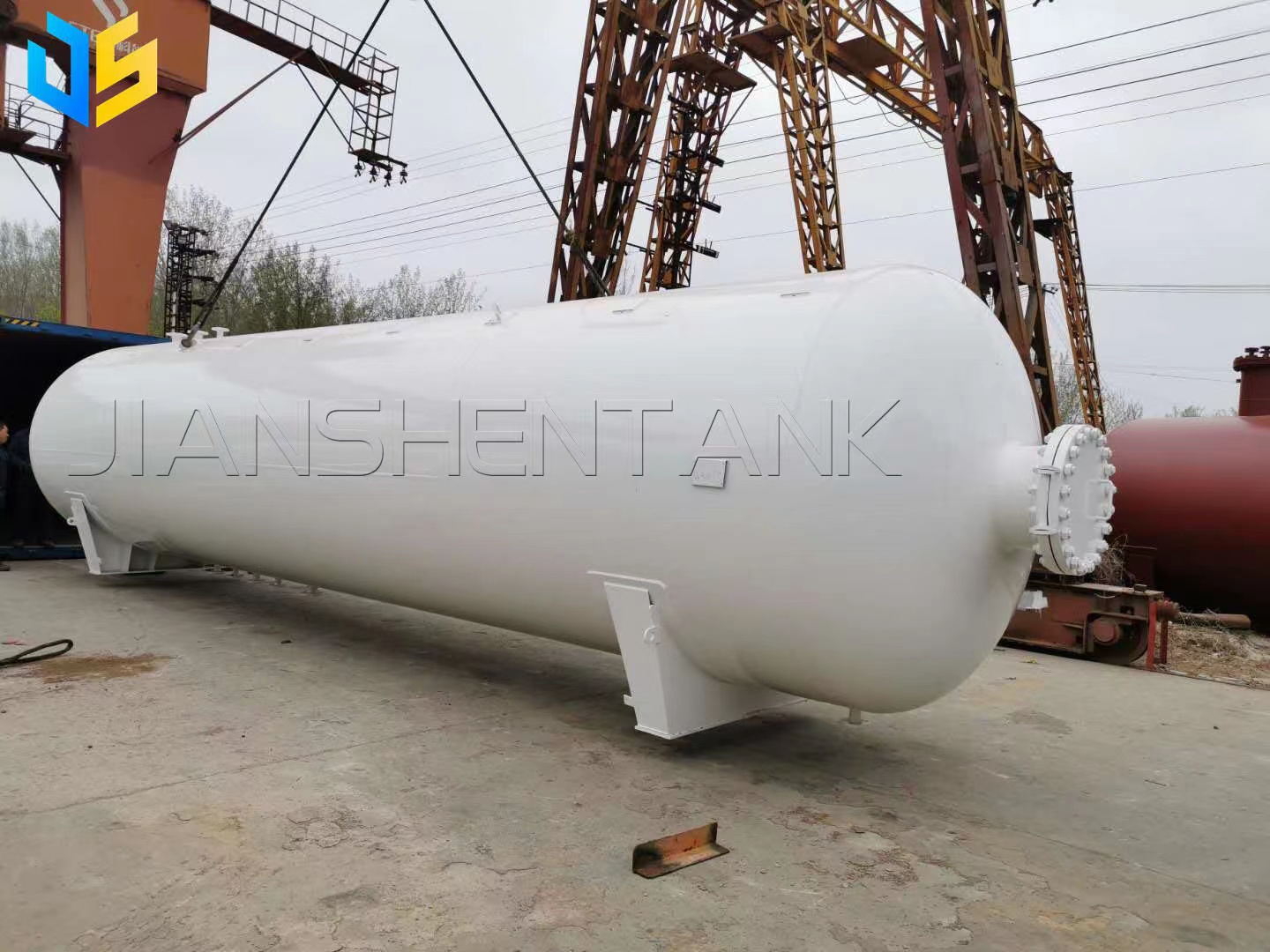
LNG tanks are mainly designed in two forms: horizontal and vertical. Each form has its own advantages and disadvantages and applicable scenarios.
Since LNG storage tanks need to maintain extremely low temperatures, efficient insulation materials are considered during design to reduce heat transfer and evaporation losses.
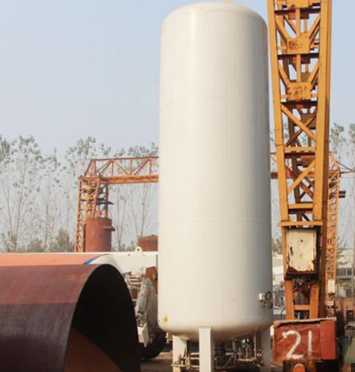
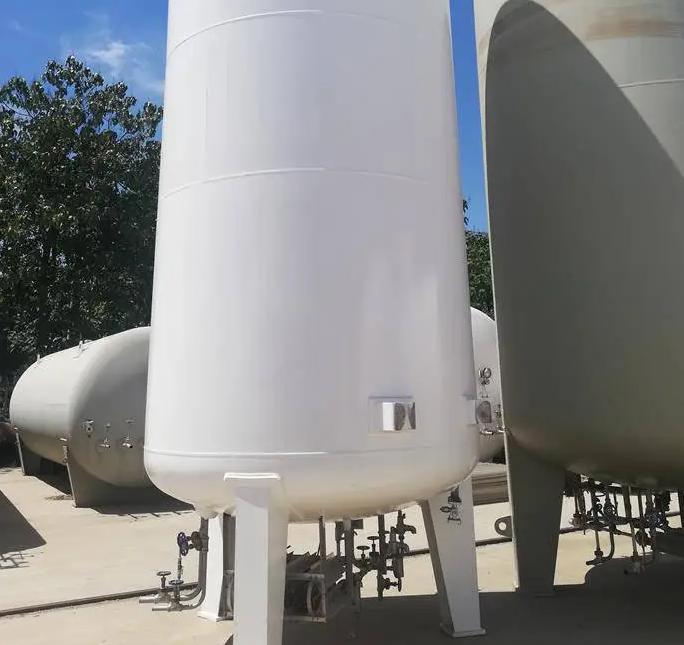
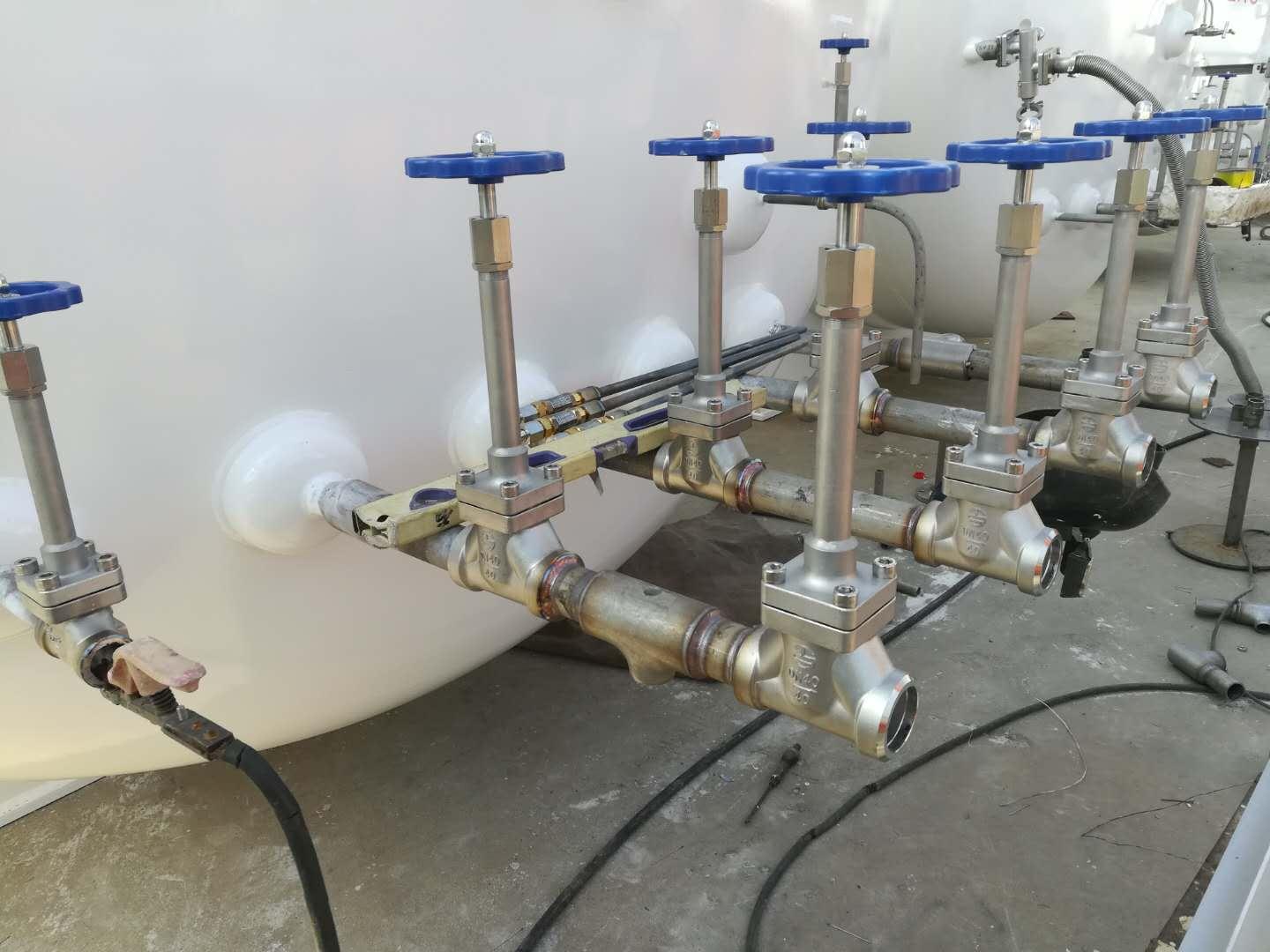
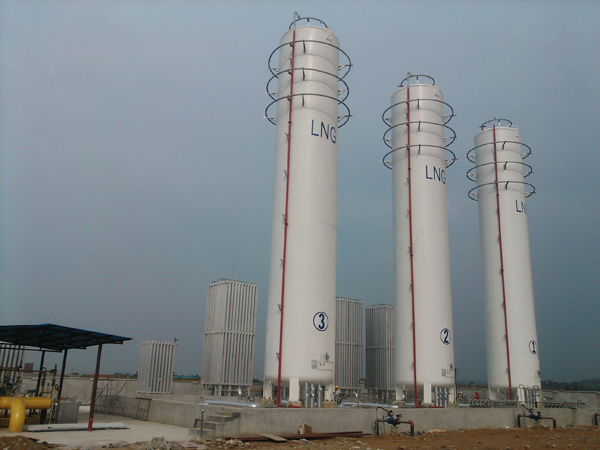
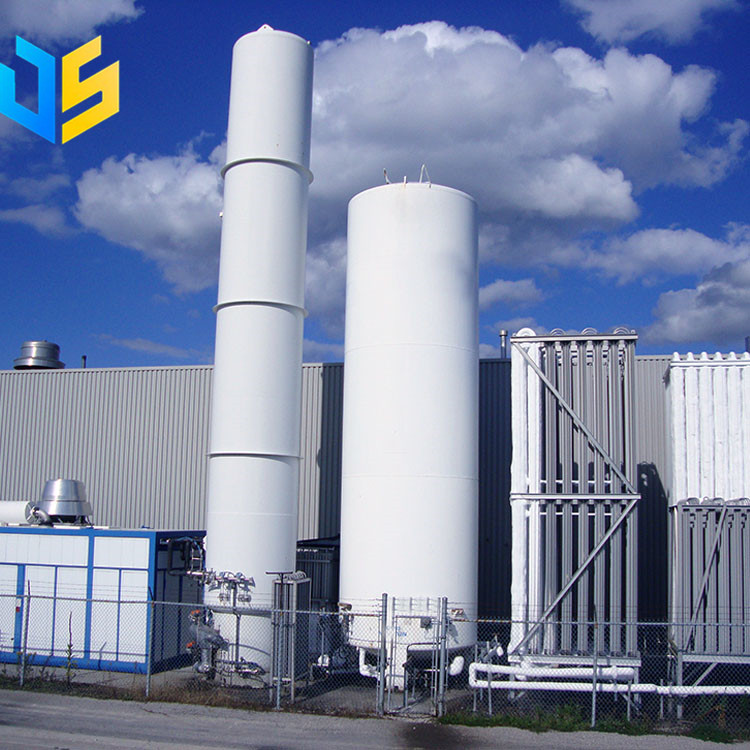
Vertical cryogenic liquefied natural gas storage tanks are compact cryogenic liquid storage equipment with various equipment (valves, safety systems, etc.).
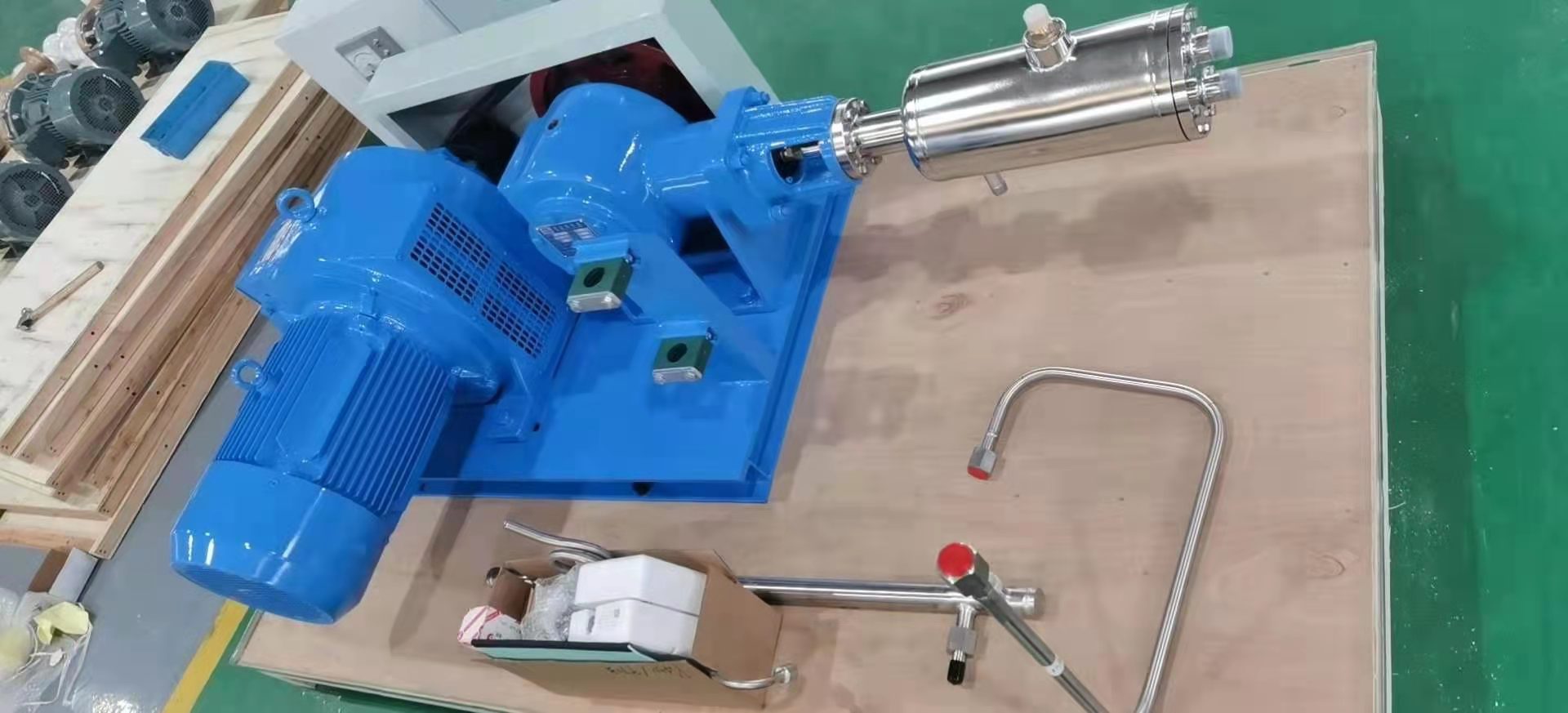
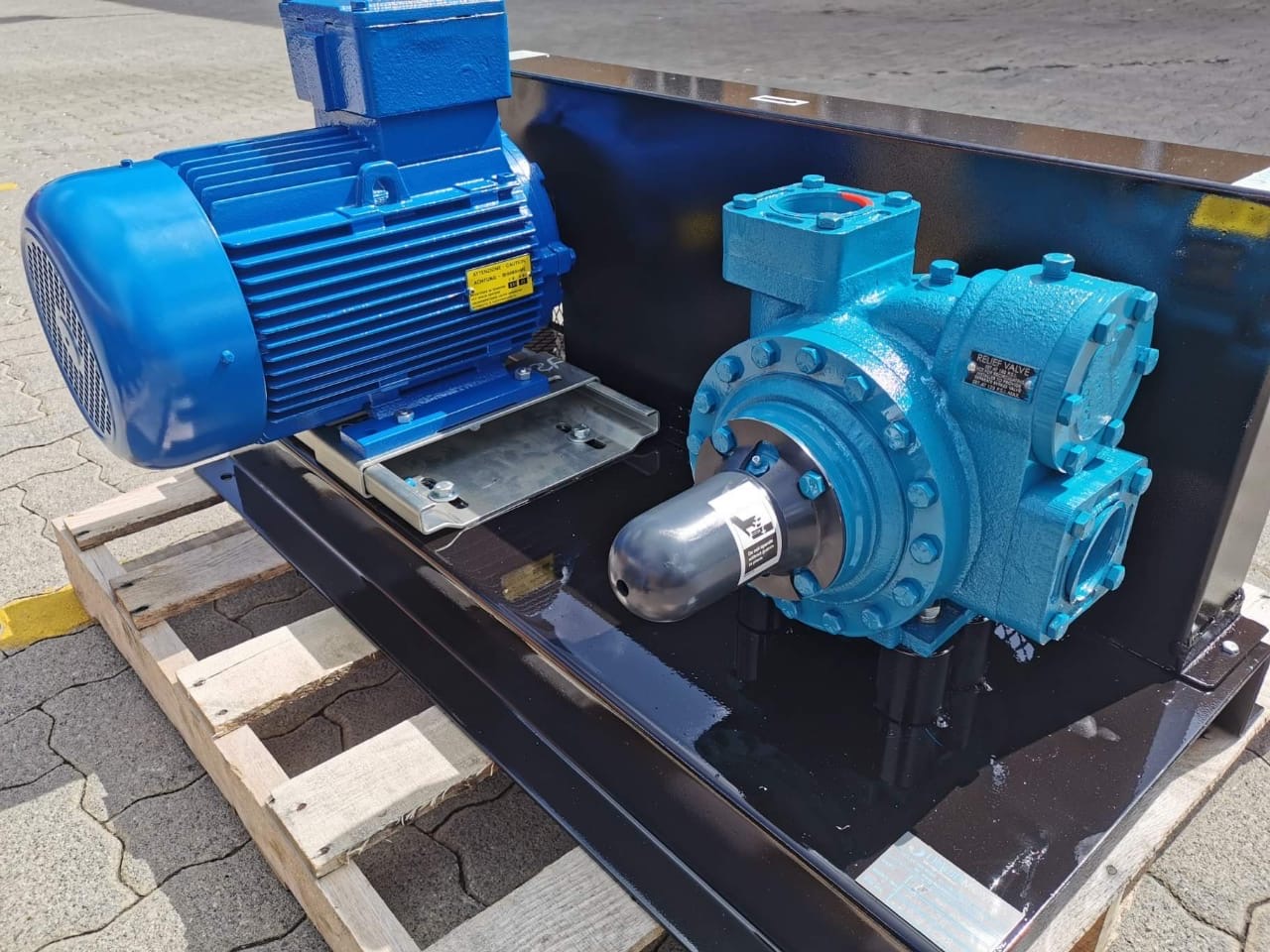
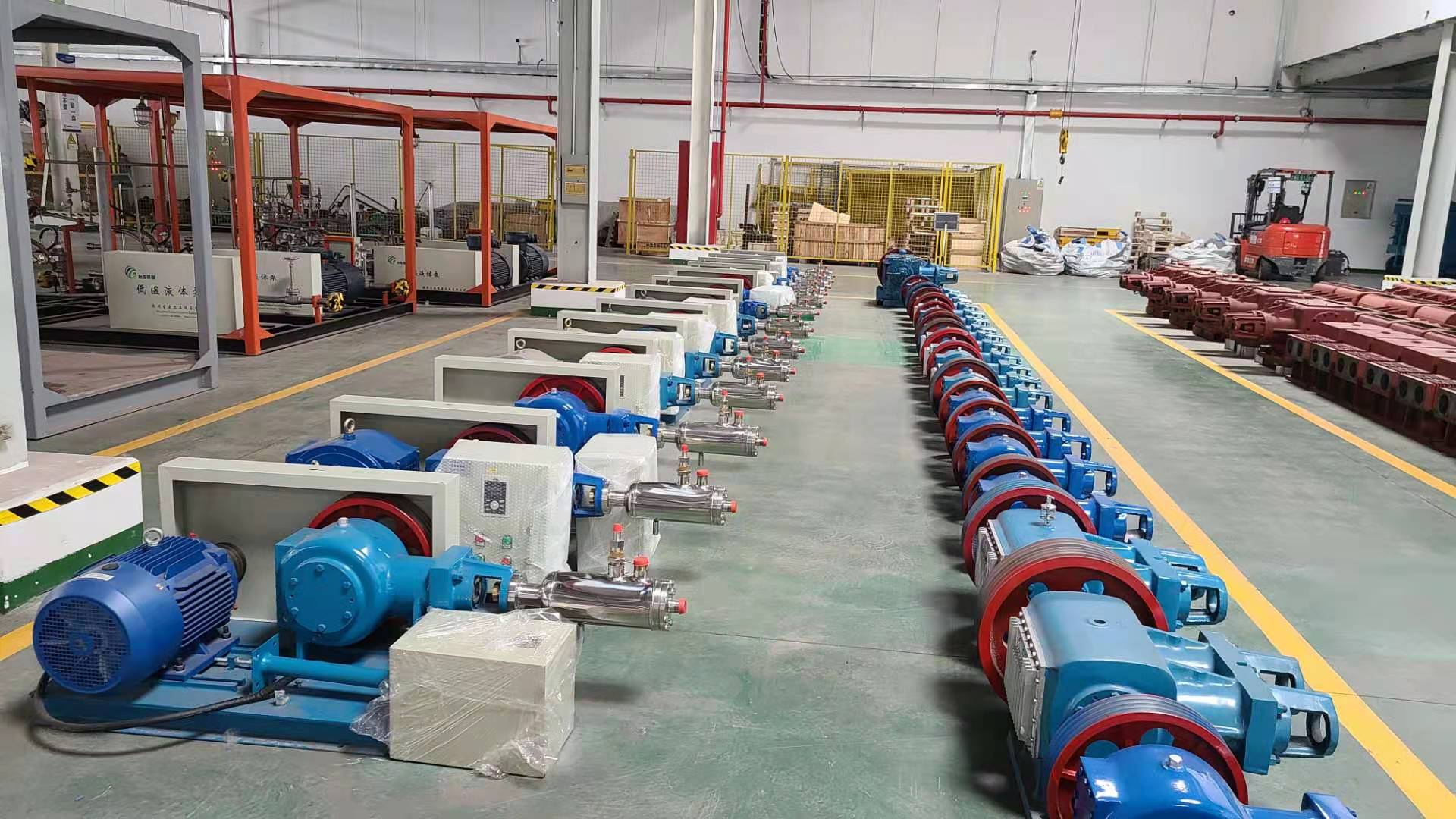
Maintenance and troubleshooting of cryopumps
Application of cryopumps in scientific research
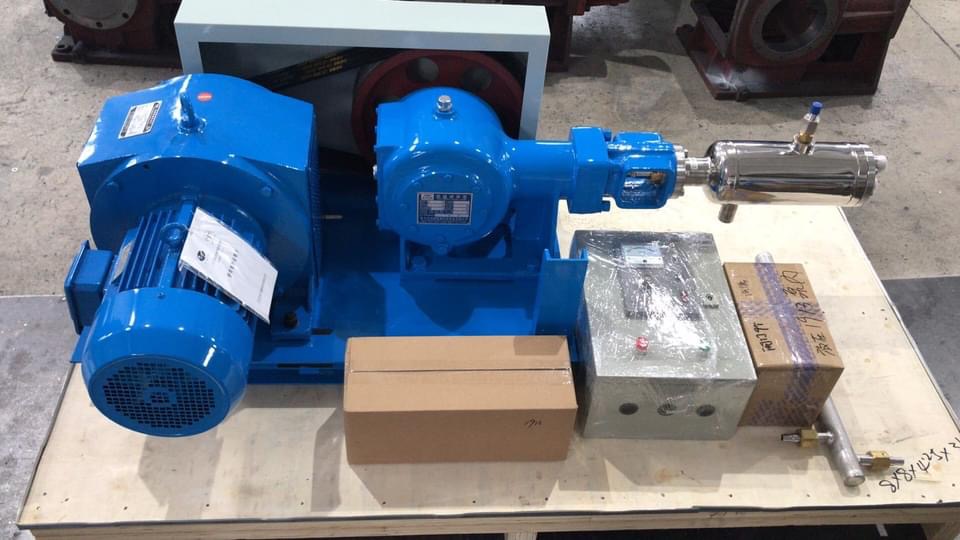
Working principle of cryopump
LNG requires the liquid storage tank to have good low temperature resistance and excellent cold preservation performance.
LNG tank welds must be 100% magnetic particle tested (MT) and 100% vacuum tightness tested (VBT).
By keeping the temperature low, LNG remains in a liquid state, thus avoiding the problem of pressurization.
The inner cylinder and pipeline materials of the 100m3 vertical LNG storage tank are 0Cr18Ni9 stainless steel, and the outer cylinder is 20R pressure steel.
Vertical LNG storage tanks are generally double metal wall structures, stored under pressure, and insulated with vacuum powder.
LNG storage tanks are facilities specially designed to store natural gas liquefied at -162°C.
LCO2 (Liquid Carbon Dioxide) storage tanks are equipment specifically designed to store and handle liquid carbon dioxide.
LNG storage tank:Function: Store liquefied natural gas, usually a double-layer tank with high thermal insulation performance.
Future development trend of LPG filling stations
The refueling process at an LPG filling station includes vehicle preparation, operating the filling machine, and refueling control.
Safety management of LPG filling stations
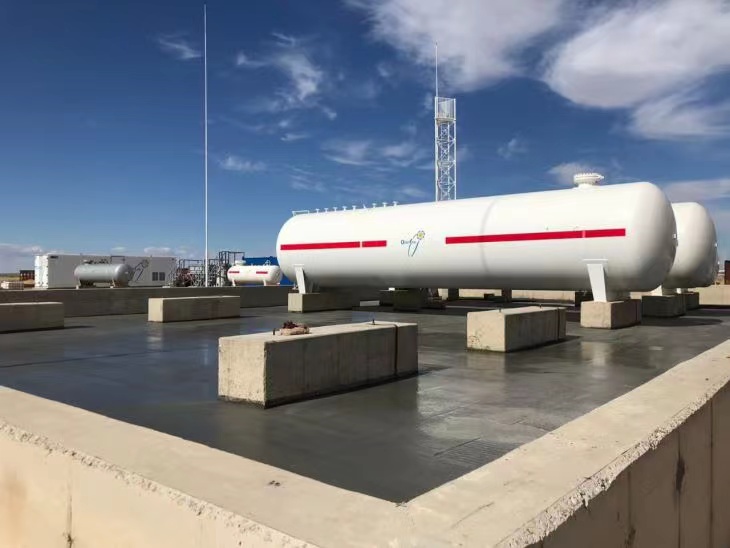
Basic Overview of LPG Filling Stations
The maintenance of carbon dioxide storage tanks is an important part of ensuring their safe and efficient operation, which usually includes steps such as cleaning, inspection, repair and pressure testing.
Carbon steel is suitable for making CO2 tanks that require high strength but do not involve highly corrosive media.
Low alloy steel is often used to make carbon dioxide storage tanks that withstand medium pressure. It has good strength and toughness and can cope with certain pressure and impact.
Maintenance and care of liquid oxygen tanks
Safe use of liquid oxygen tanks