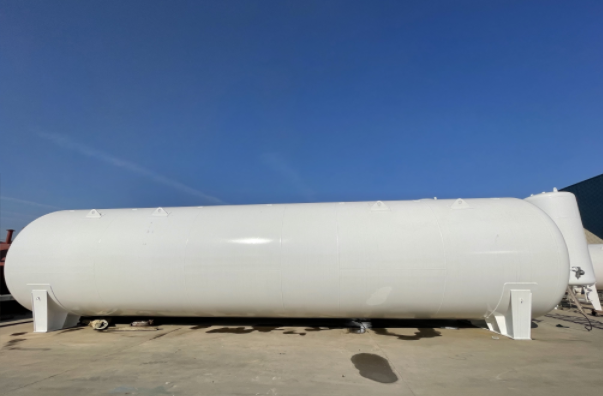
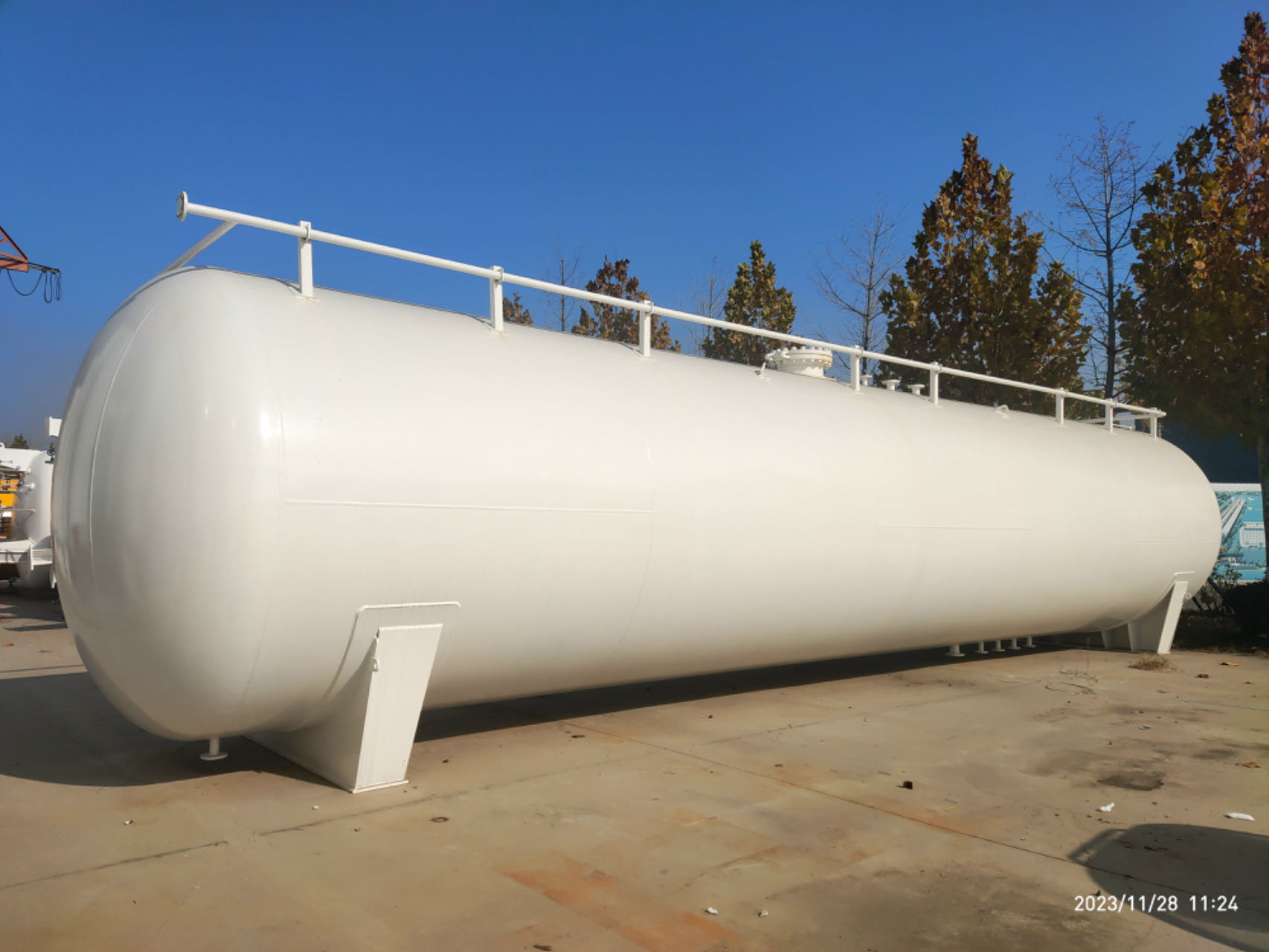
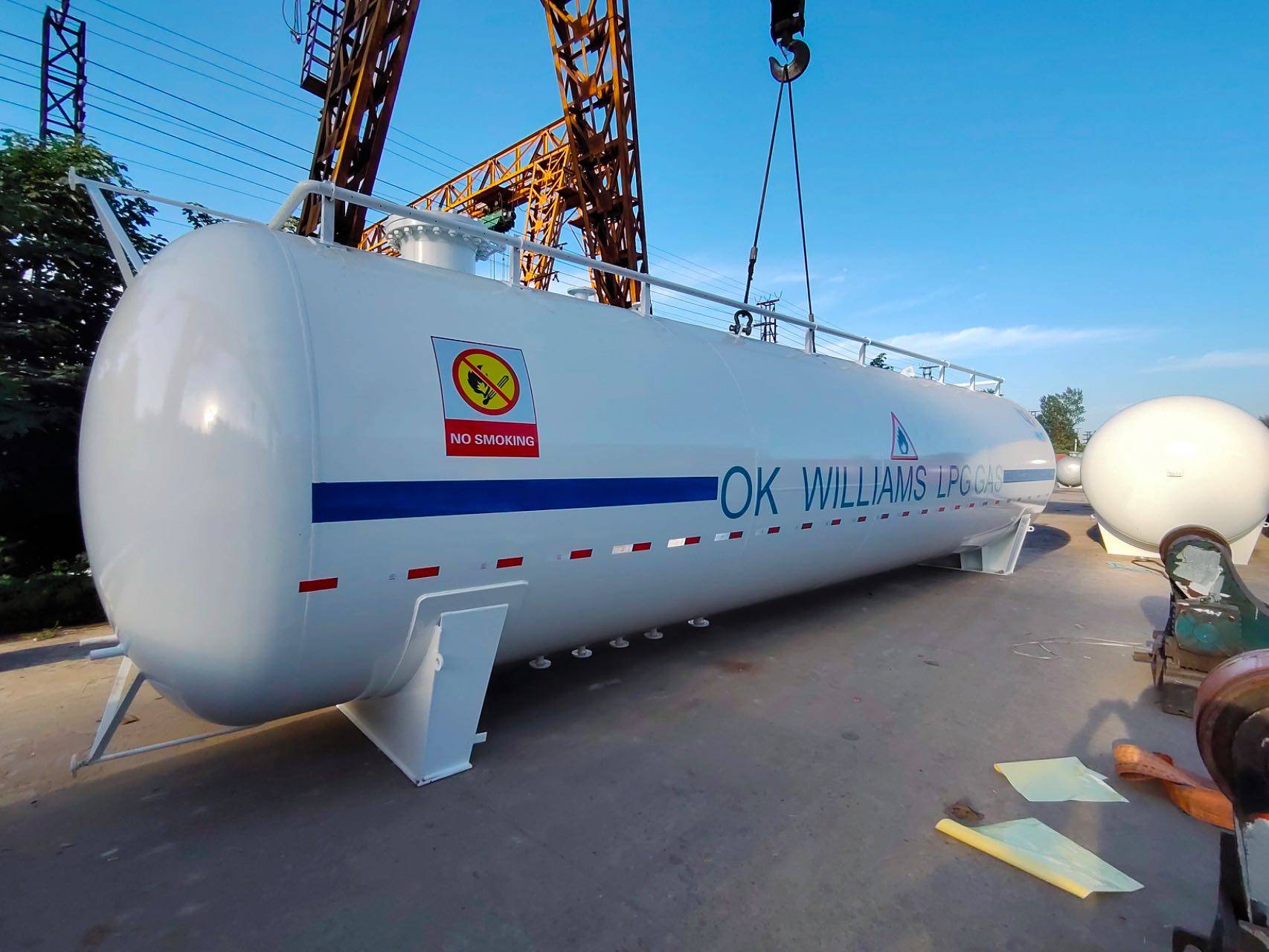
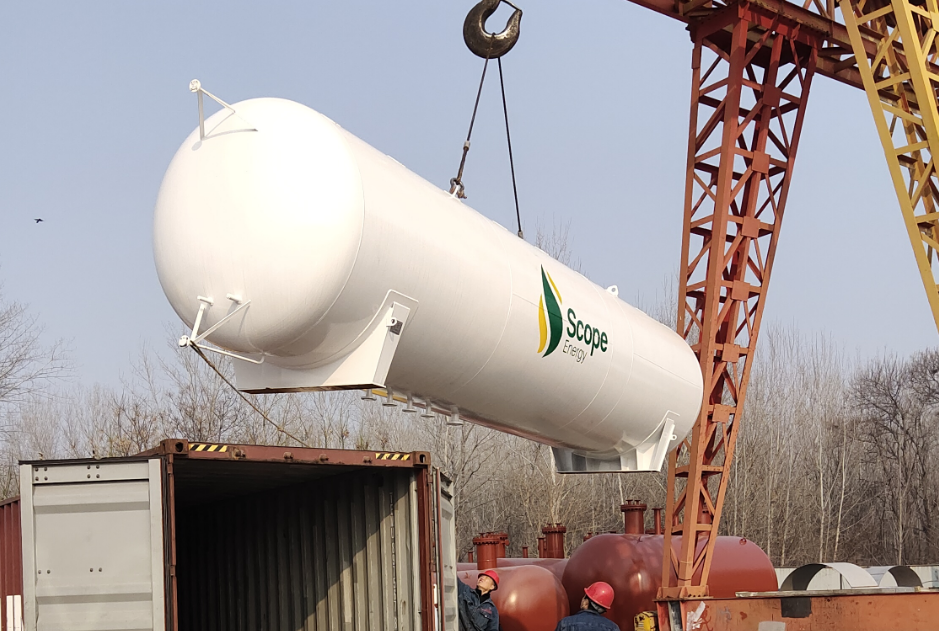
In case of leakage or fire, drive to a safe place to extinguish or plug the leakage.
Beyond static storage, low-temperature tanks play a vital role in the dynamic field of LNG transportation.
Ensuring the safe operation of low-temperature storage tanks involves various considerations.
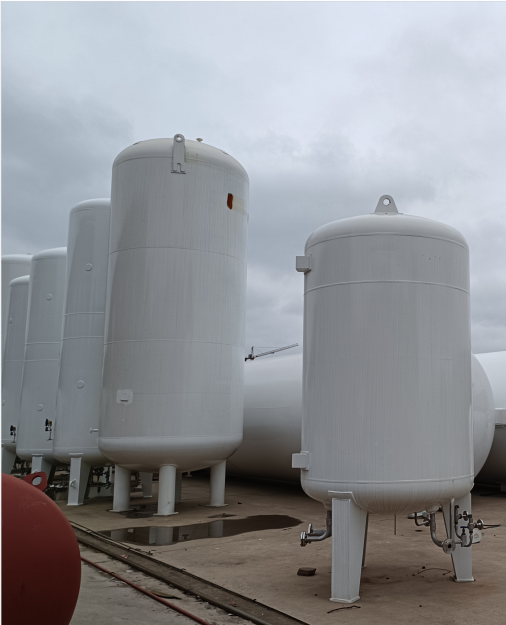
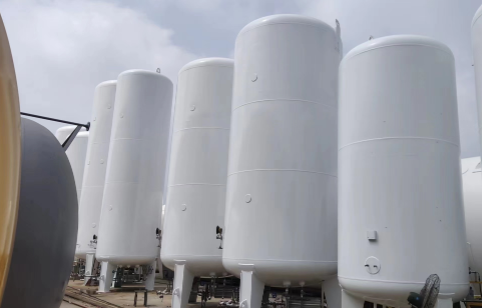
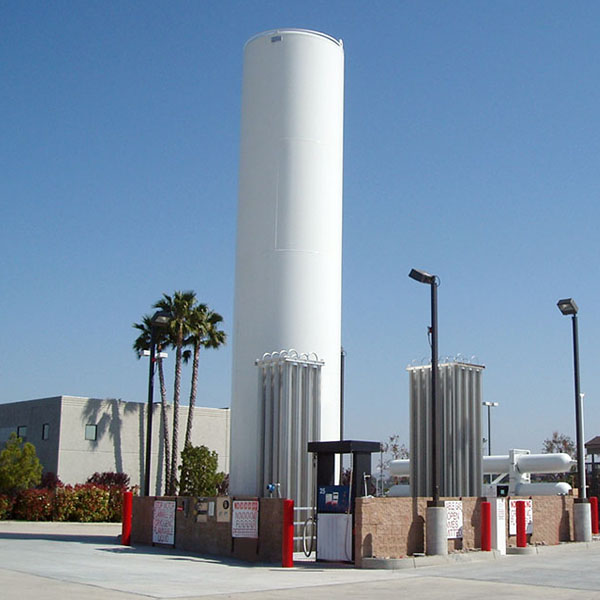
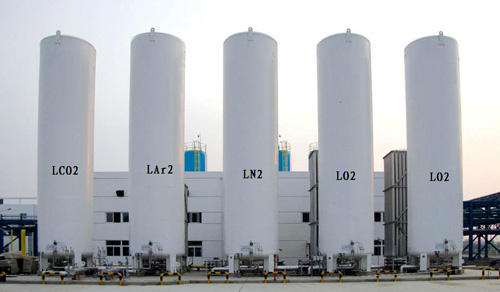
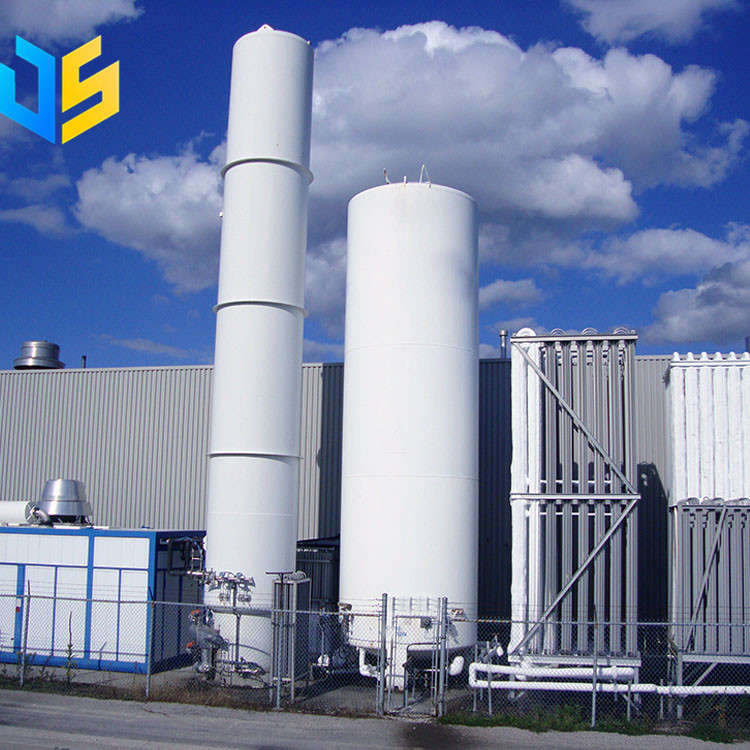
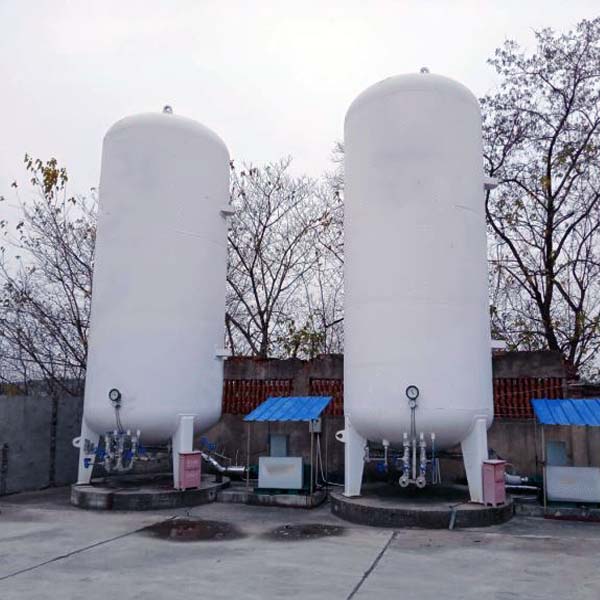
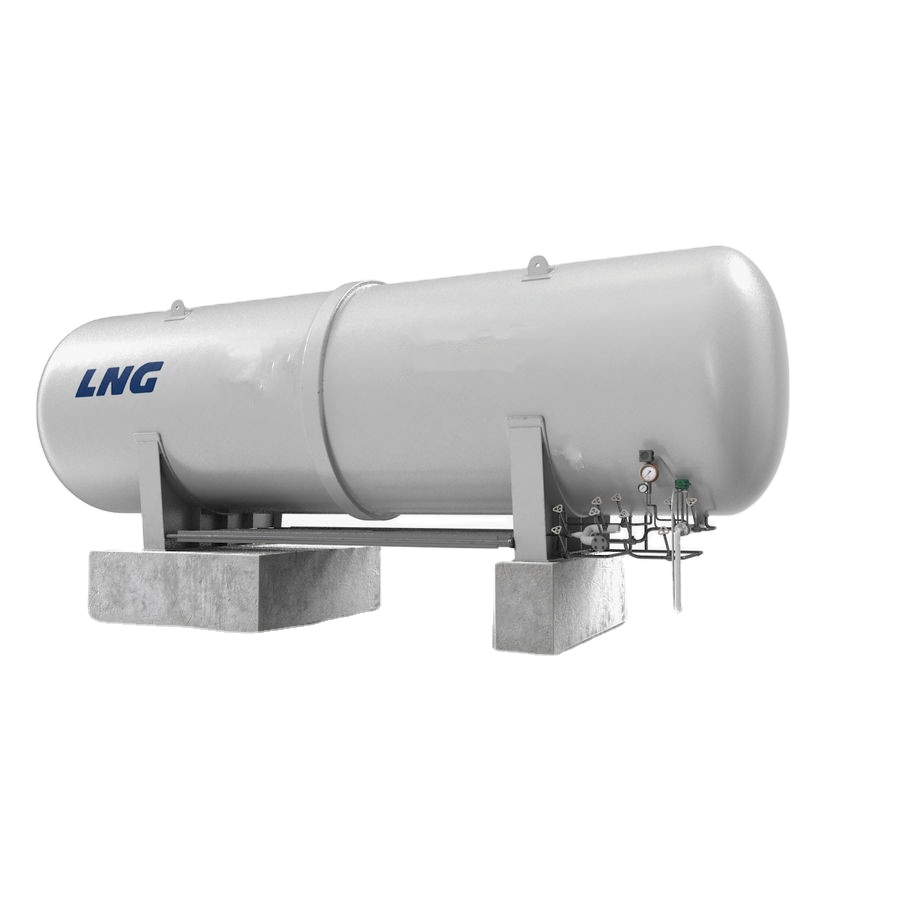
Low-temperature storage tanks are crucial for storing cryogenic liquids like LNG (liquefied natural gas).
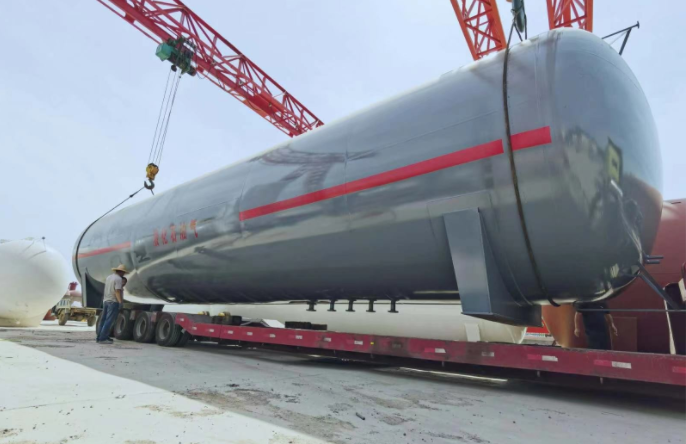
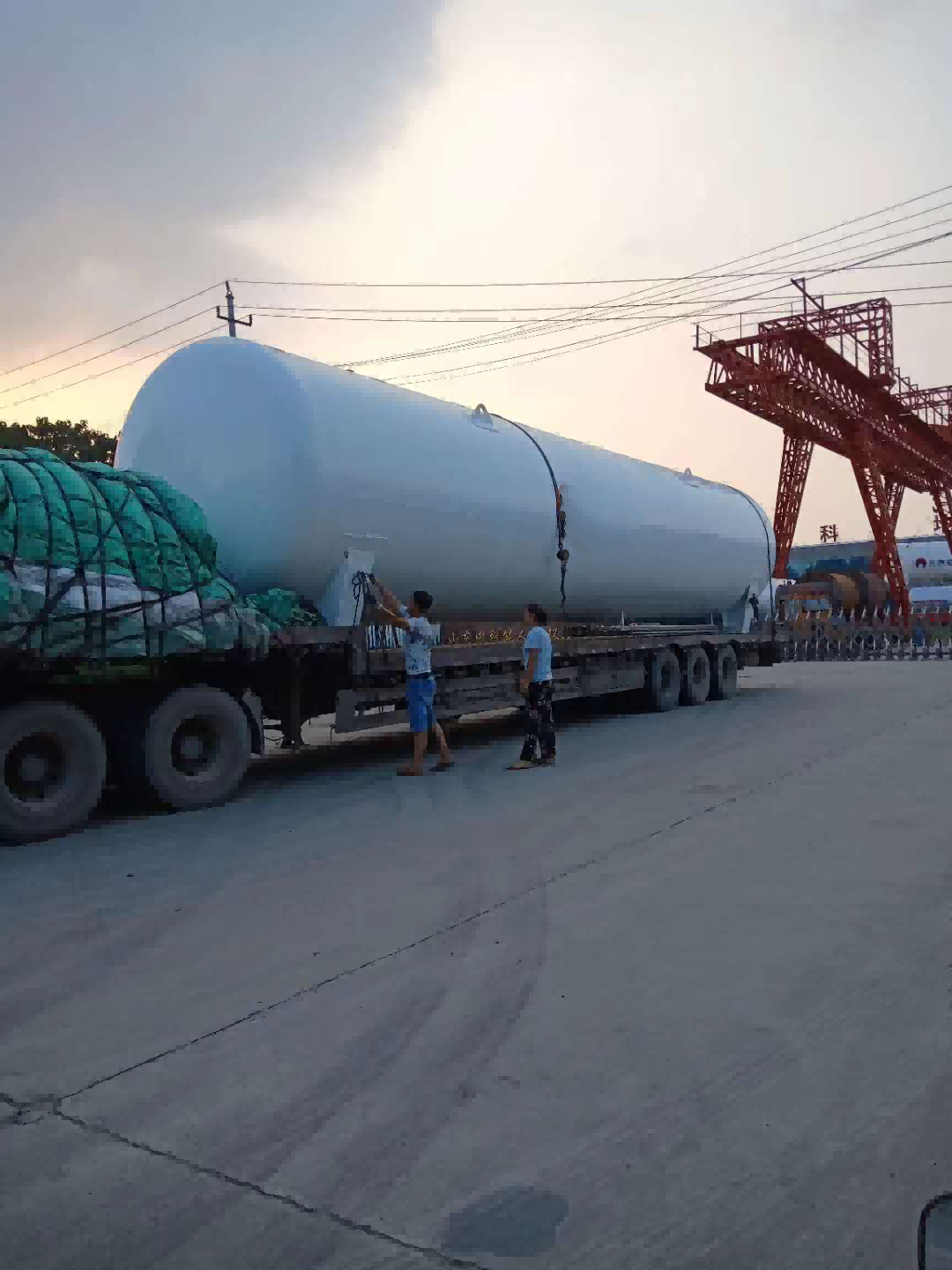
The transport vehicle should have the sign of dangerous goods transport and install the satellite positioning device with the function of travelling record.
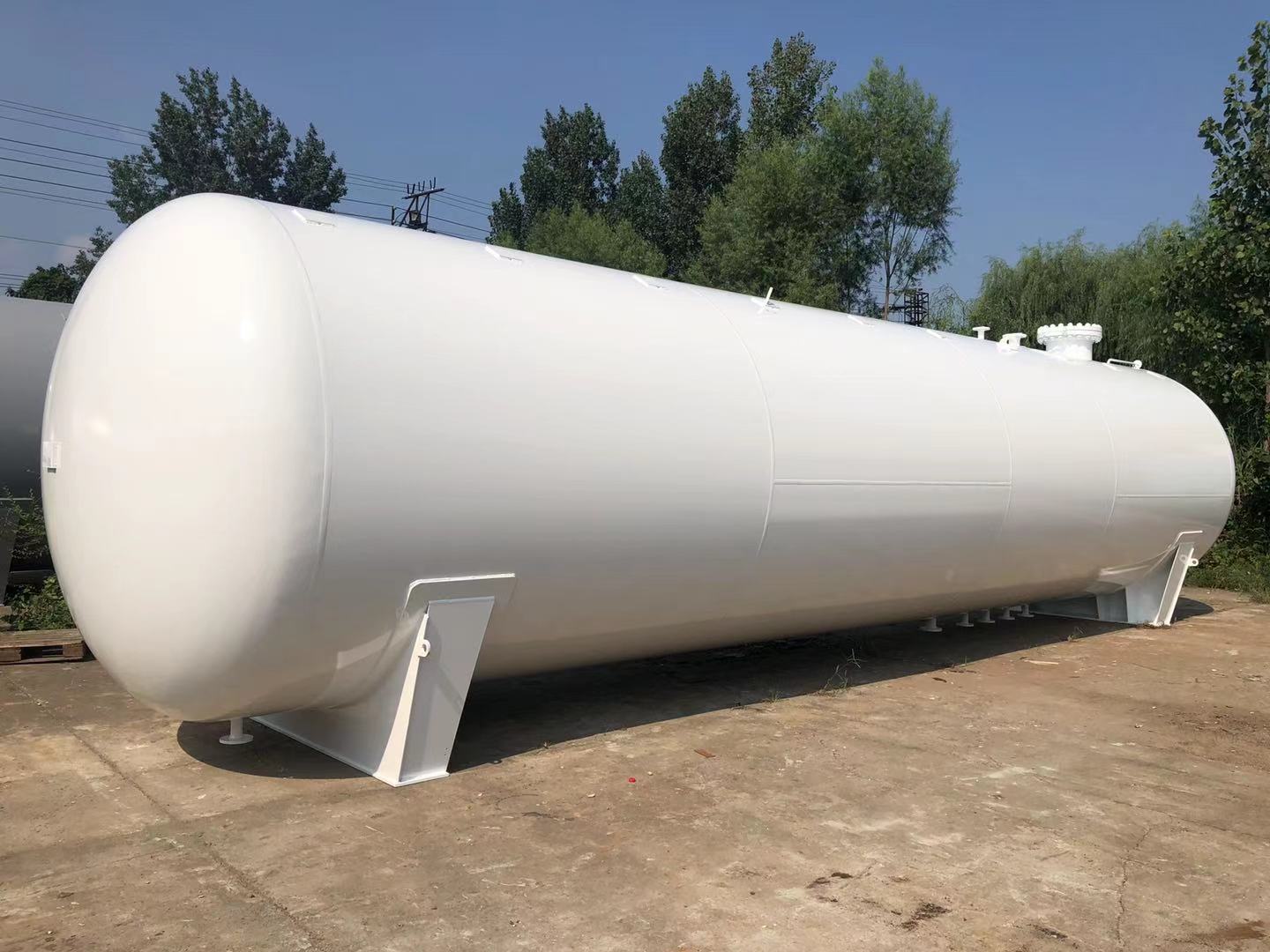
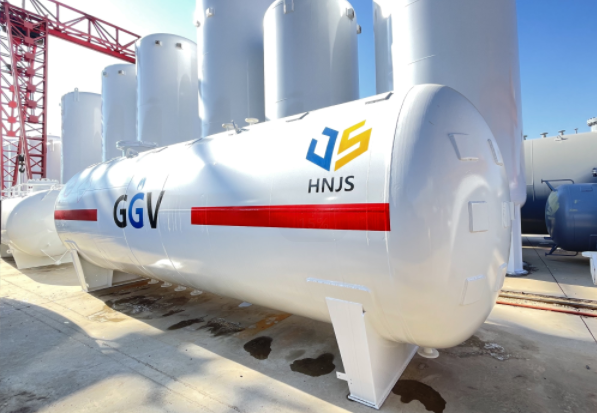
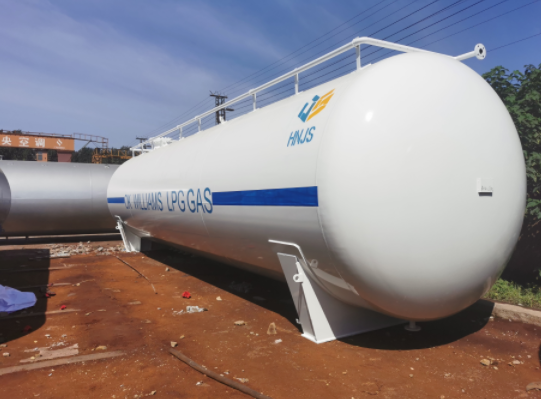
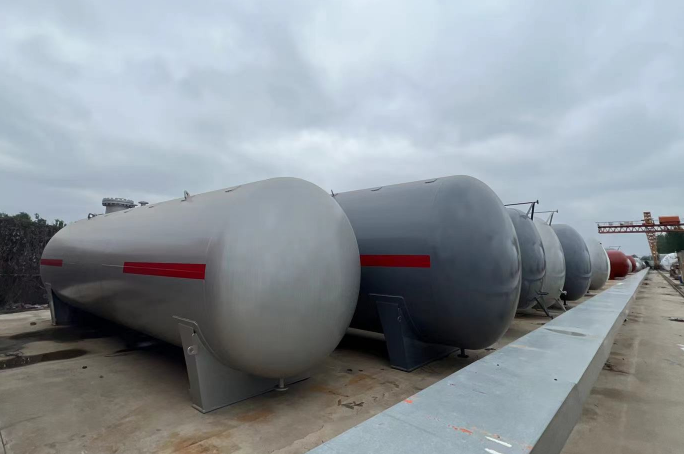
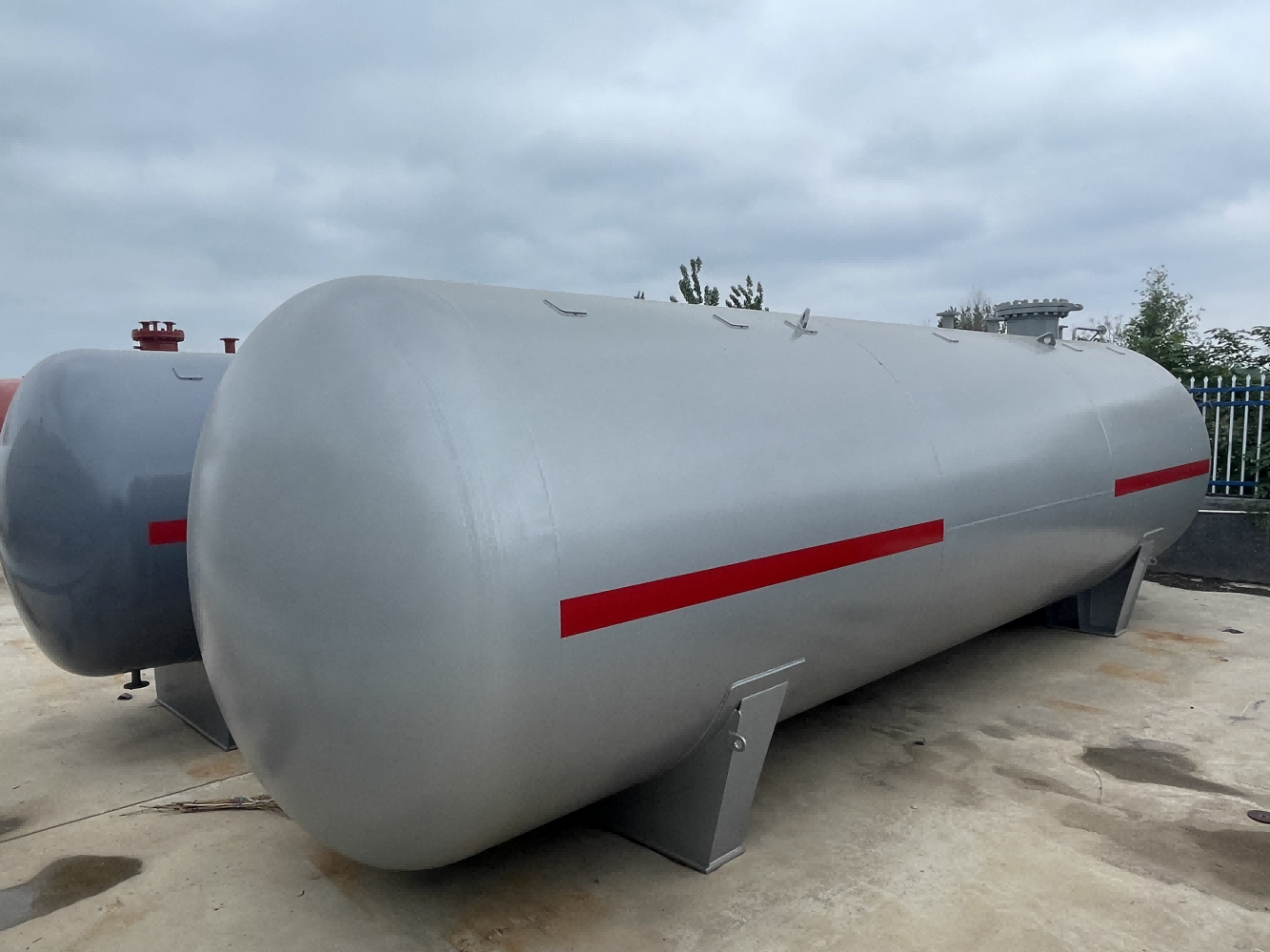
LPG storage tanks, tankers and cylinders should be regularly inspected.
No two industries are alike, and neither should be their pressure vessels.
Understanding the regulatory landscape surrounding pressure vessels is paramount.
Pressure vessels are engineering marvels designed to store or process fluids under pressure.
Store in a cool, ventilated special warehouse for flammable gases. Keep away from fire and heat source. The temperature of the warehouse should not exceed 30°C.
When filling, use the universal joint pipe filling system to prevent overfilling.
Filling of LPG cylinders must be carried out in the filling station according to the process.
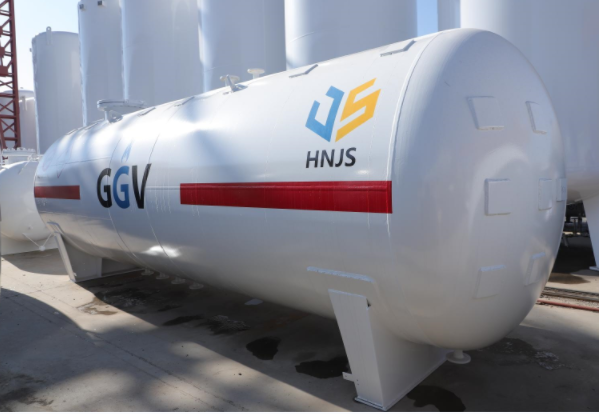
storage tanks and other pressure vessels and equipment should be set up safety valves, pressure gauges, level gauges, thermometers.