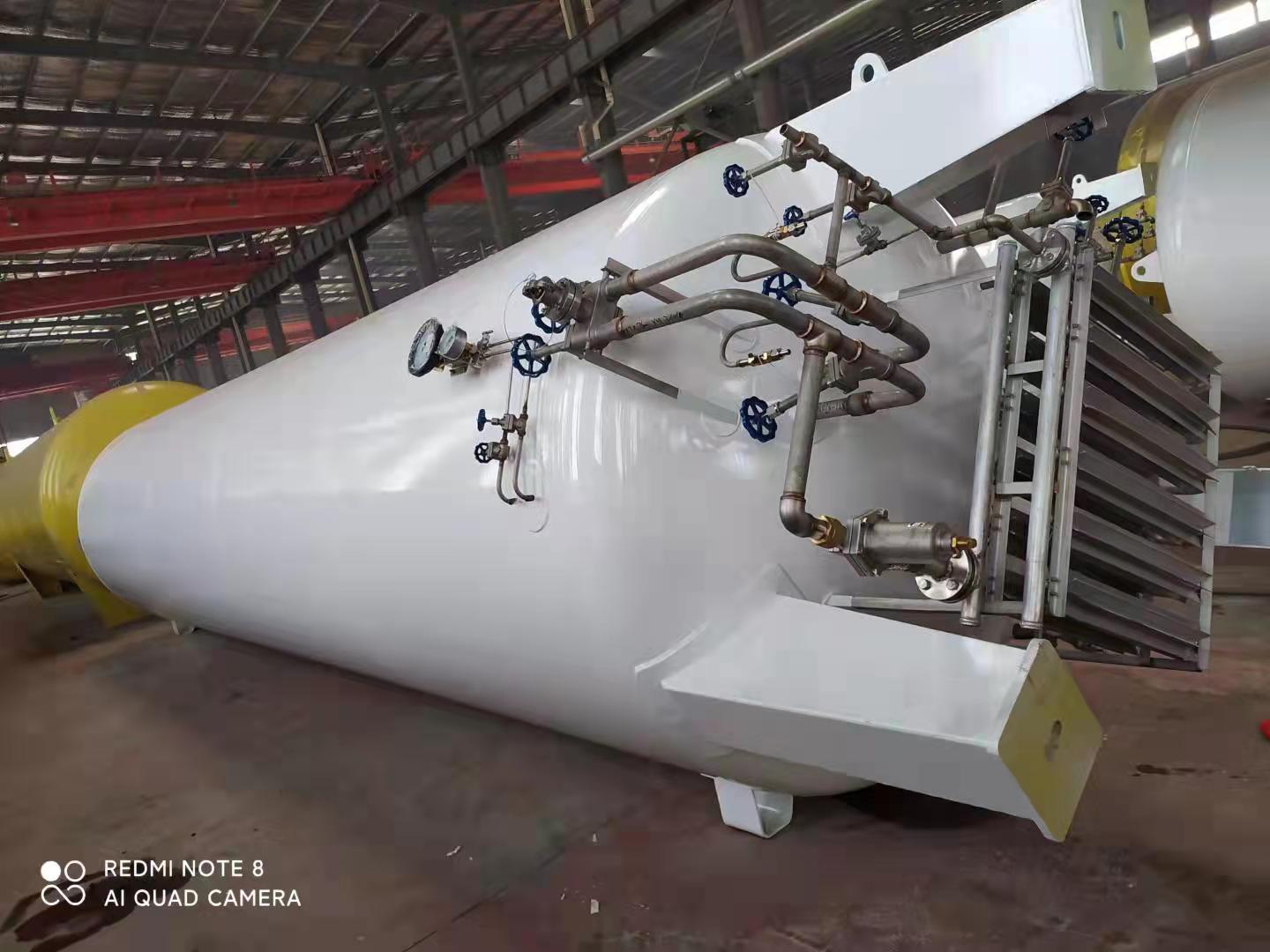
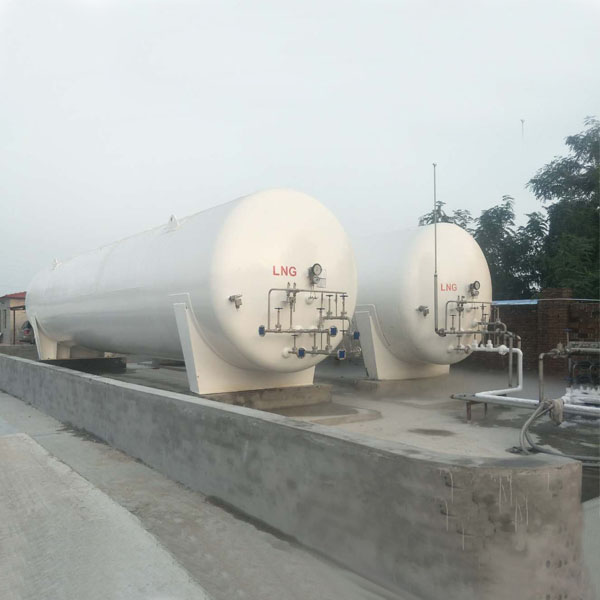
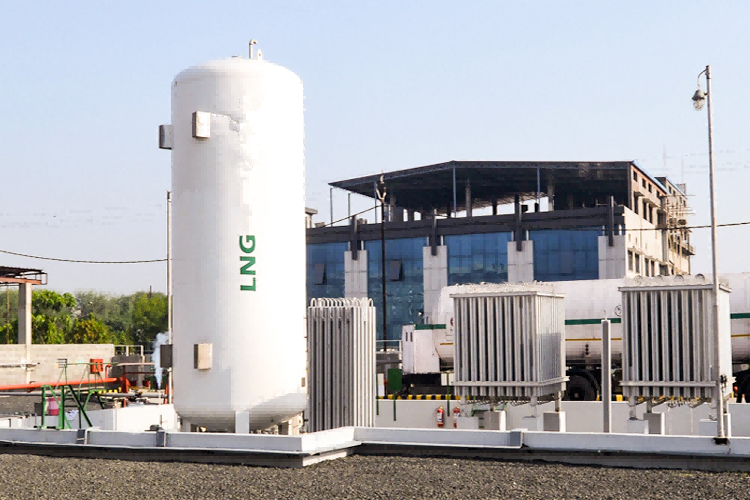
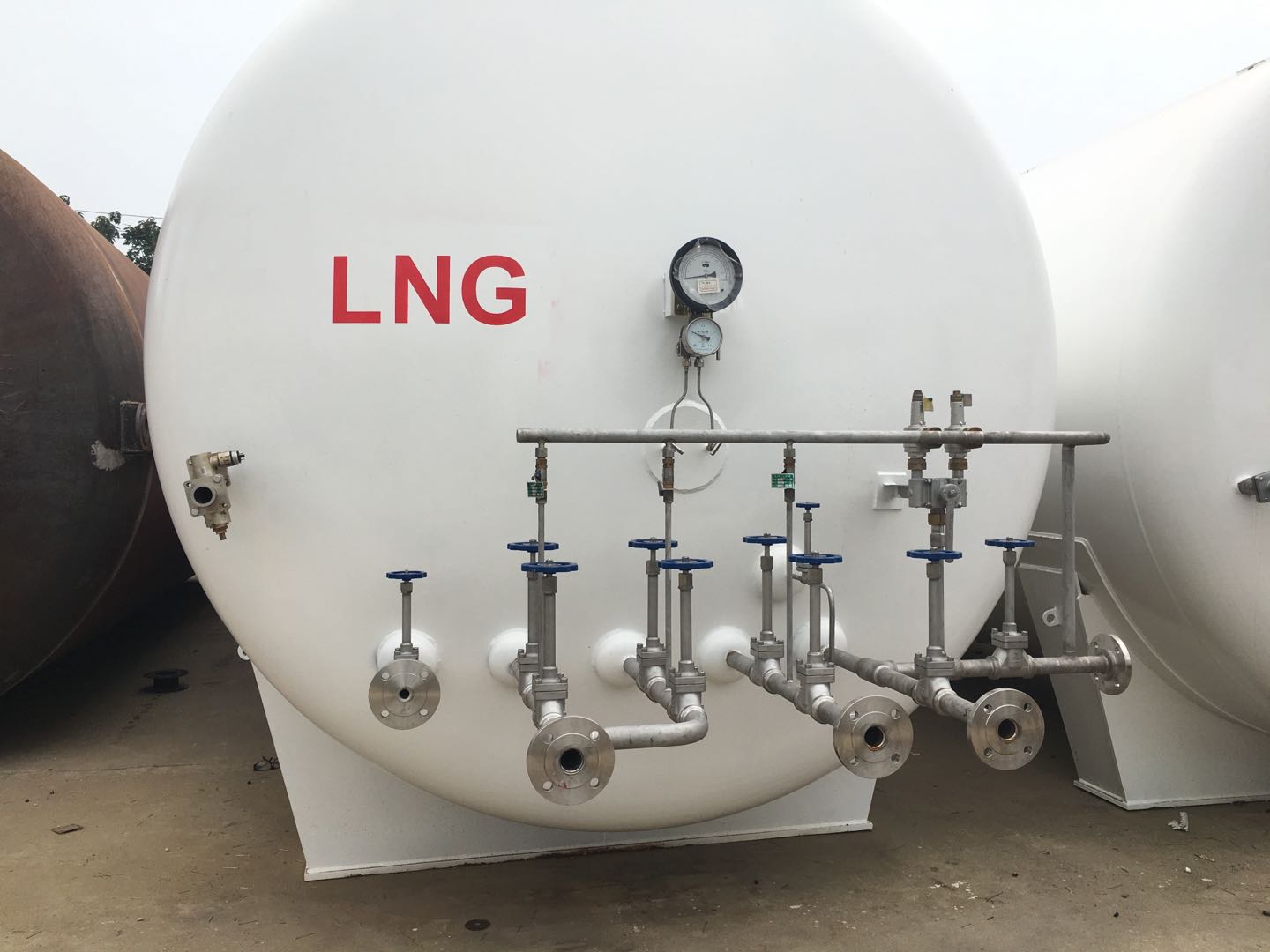
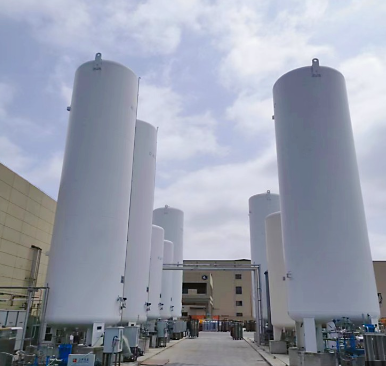
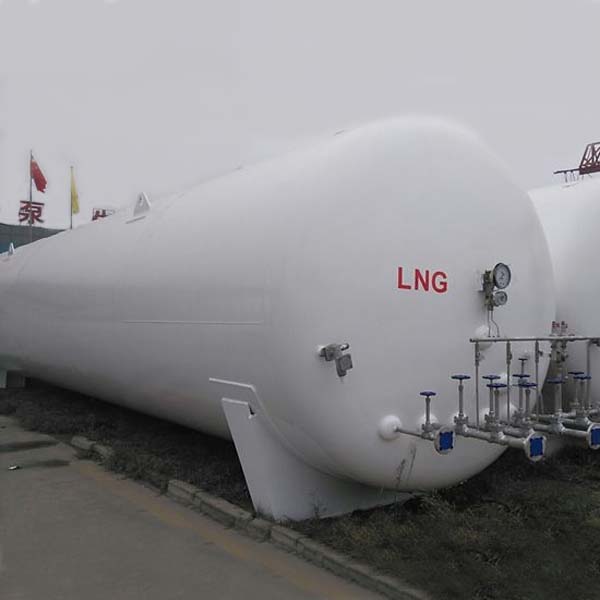
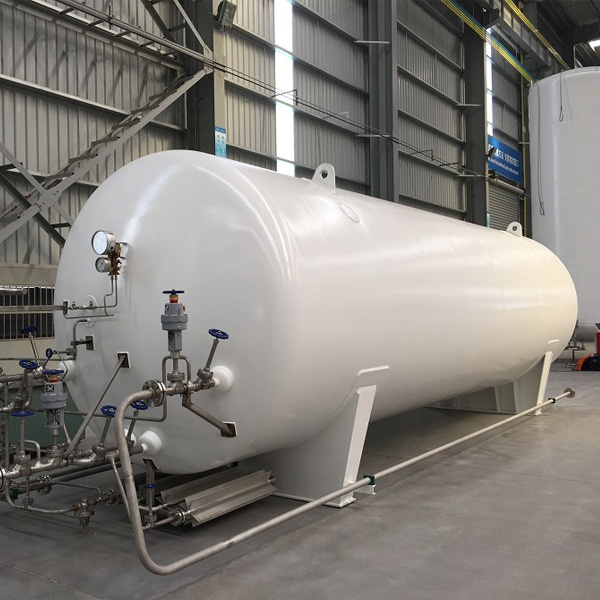
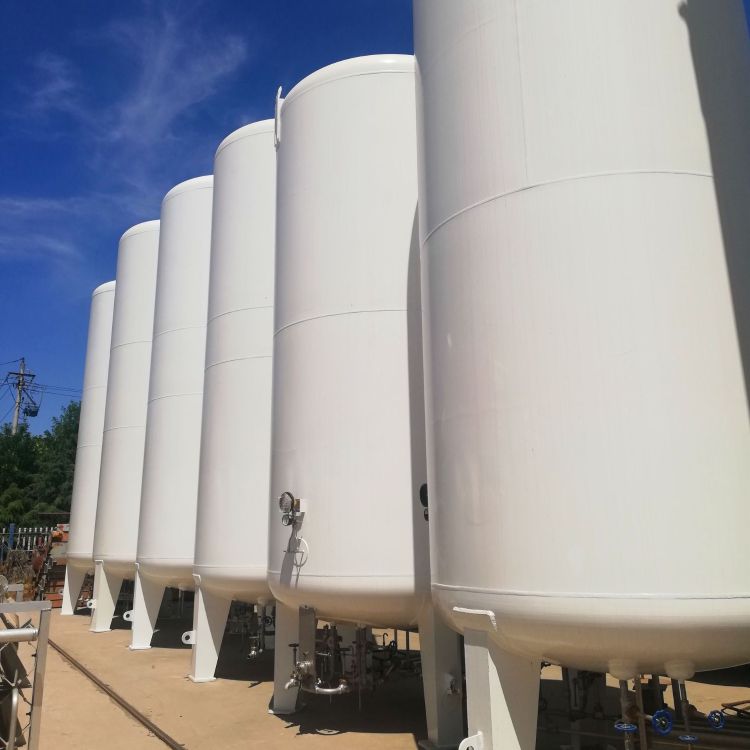
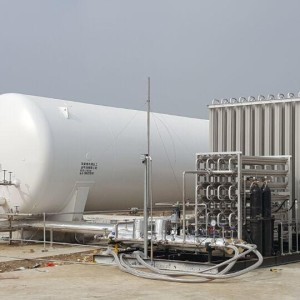
The basic equipment of LNG filling stations includes storage tanks, vaporizers, pressurizing equipment, filling machines, metering systems, control systems, safety systems, cooling systems, emission treatment systems and auxiliary facilities.
Temperature and pressure monitoring: Maintain real-time monitoring of the temperature and pressure inside the tank to ensure that LNG is always within the designed safety range.
The working principle of liquid nitrogen storage tank is to liquefy nitrogen and store it in the inner tank.
Carbon steel is suitable for making CO2 tanks that require high strength but do not involve highly corrosive media.
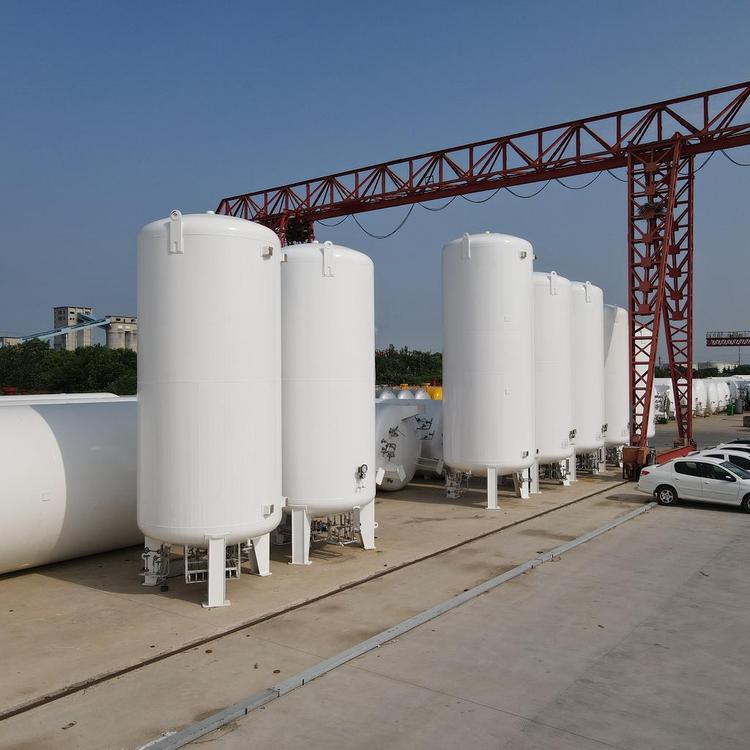
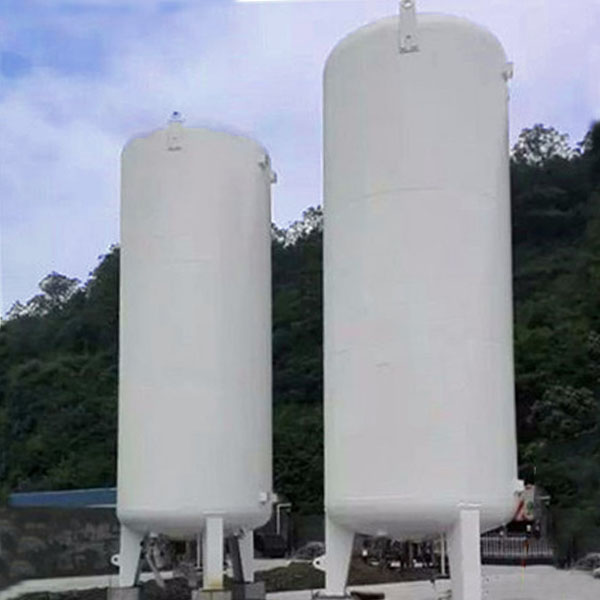
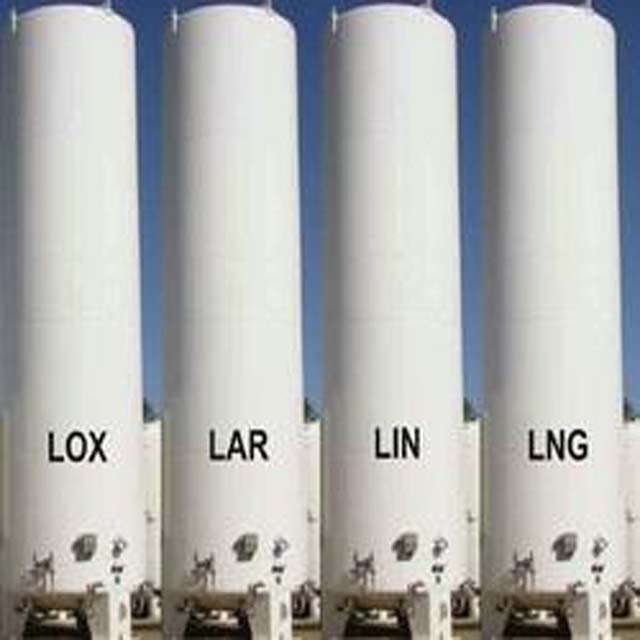
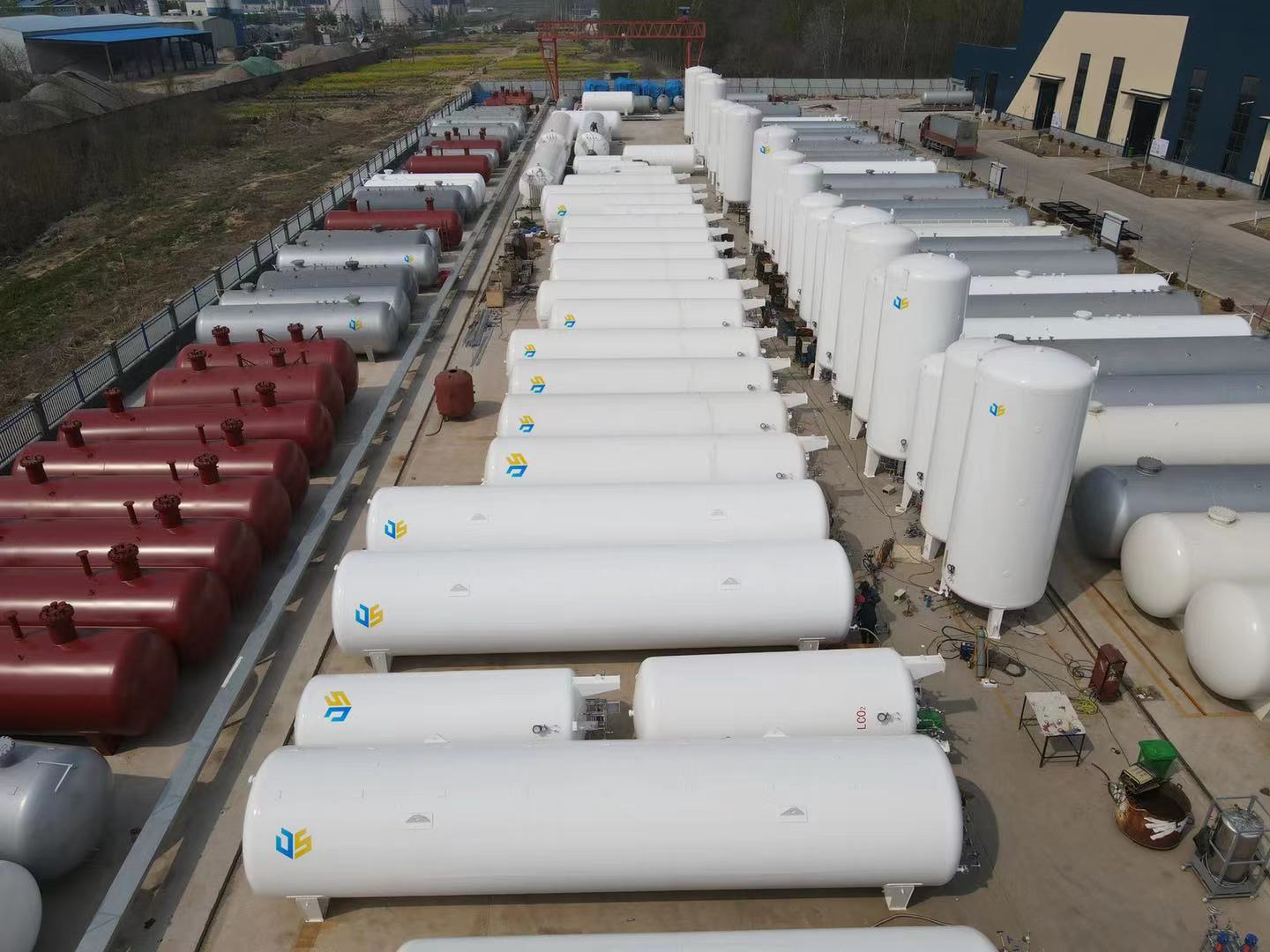
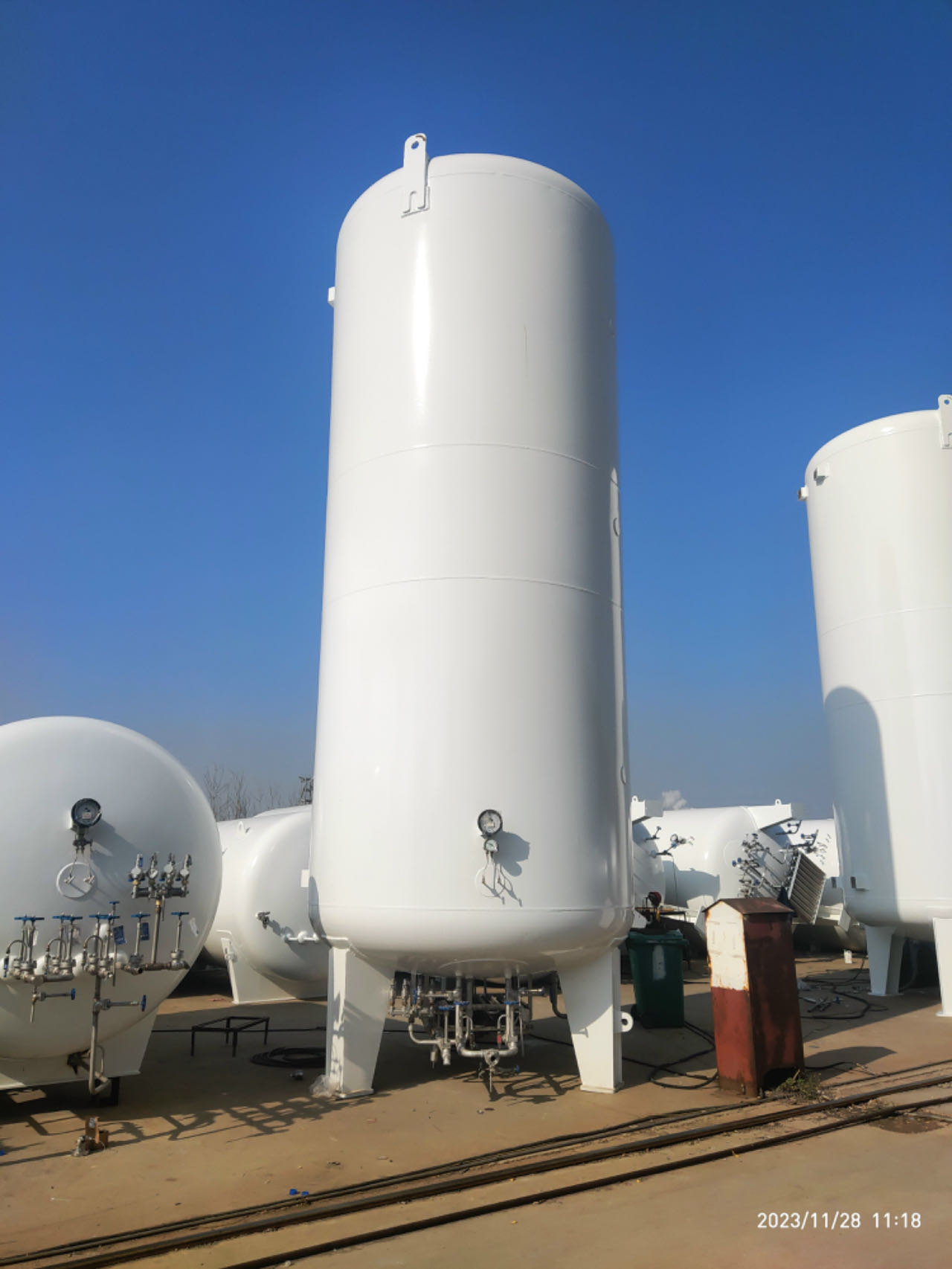
Cryogenic storage tanks are mainly classified according to the type of storage medium, storage temperature range, manufacturing materials, capacity and placement location.
Different capacities of ryogenic storage tanks can meet different usage requirements and occasions.
Maintenance of carbon dioxide storage tanks is the key to ensuring the safe, reliable and efficient operation of the tanks. Especially in the chemical, food, pharmaceutical and other industries, carbon dioxide storage tanks are special equipment for storing liquid carbon dioxide, and their safety and reliability are of vital importance.
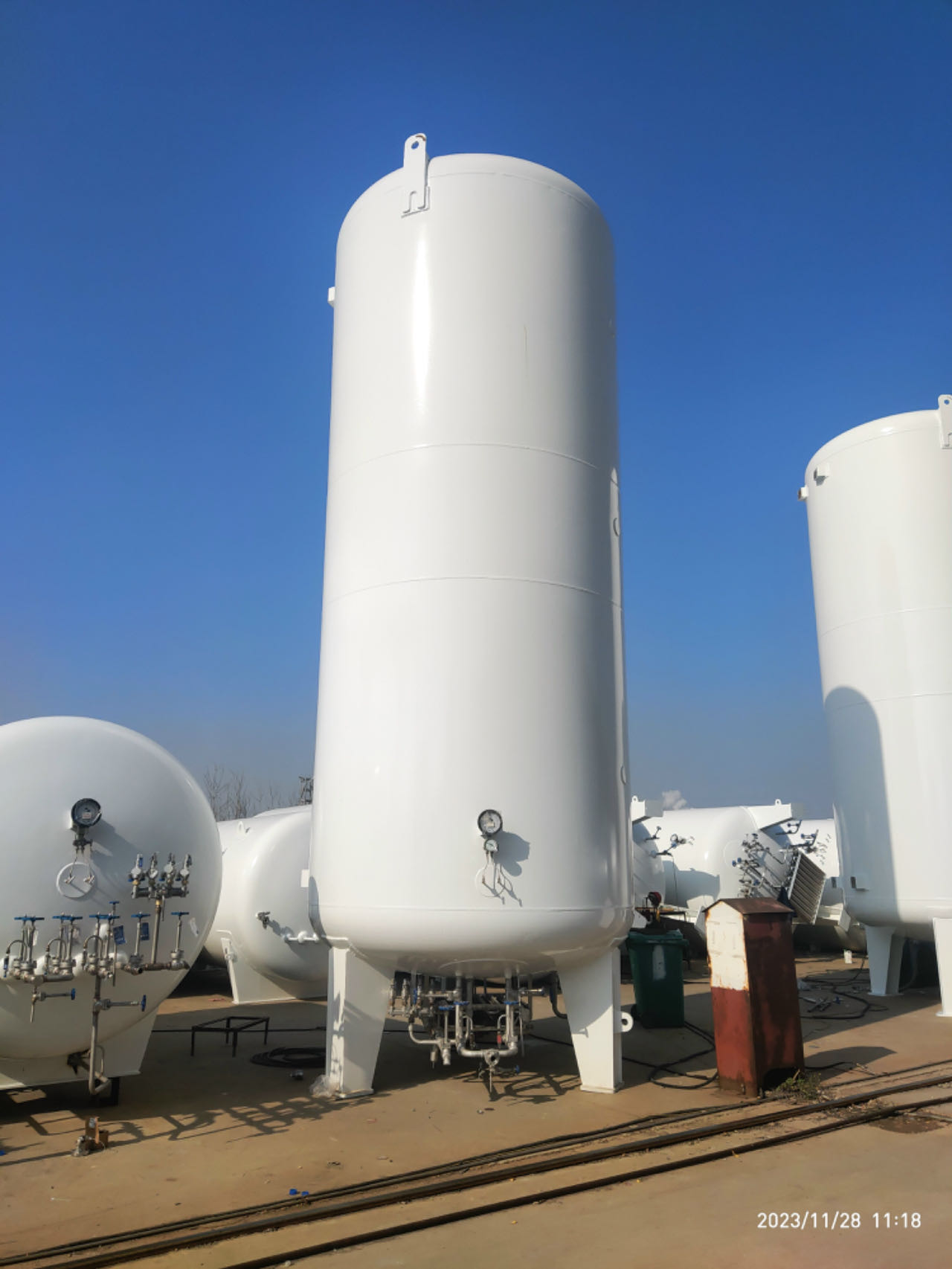
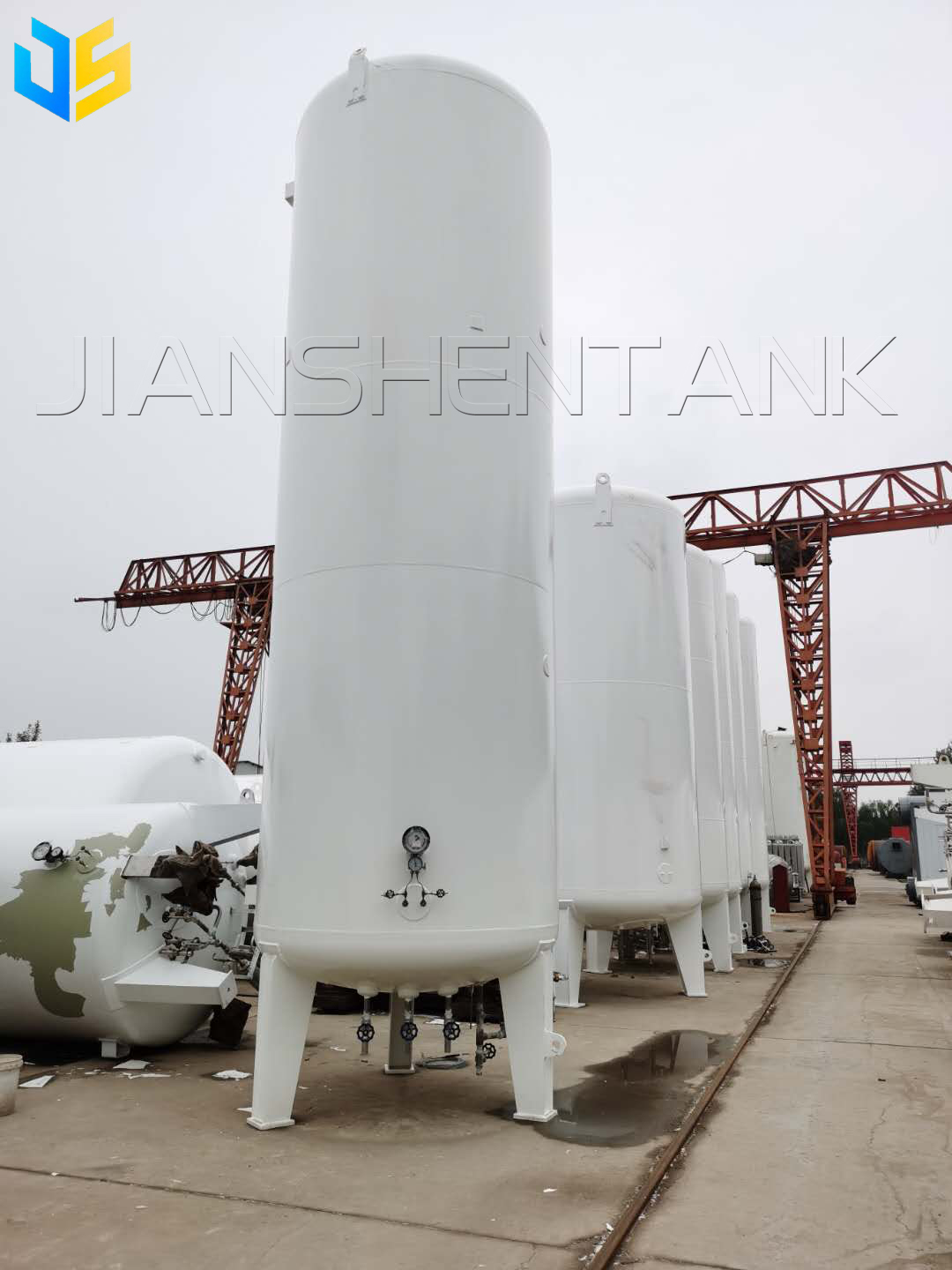
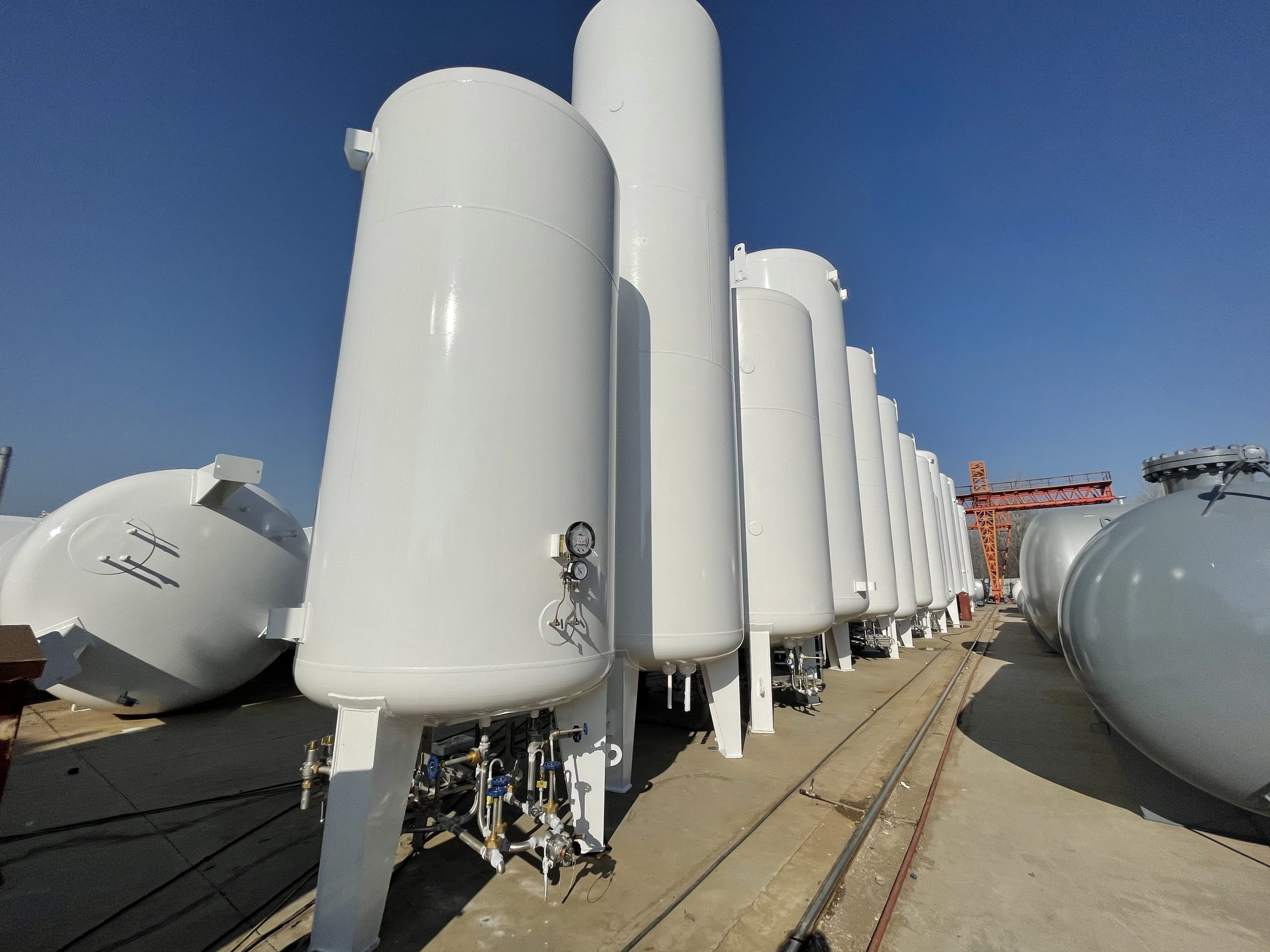
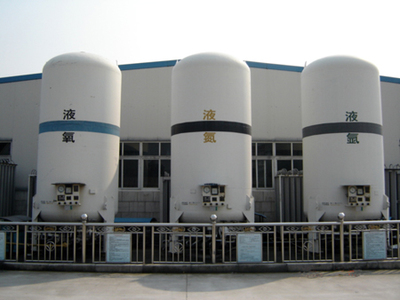
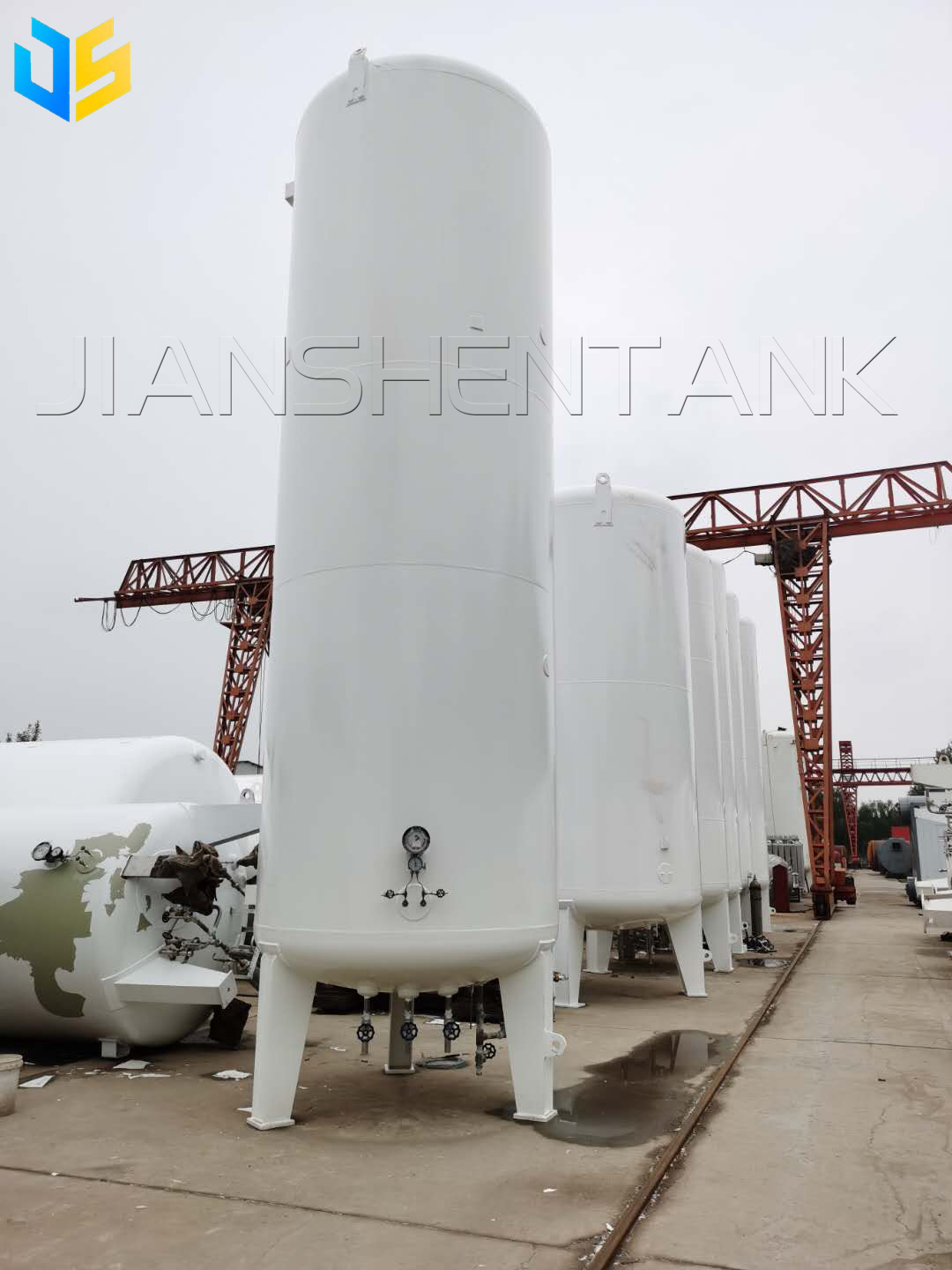
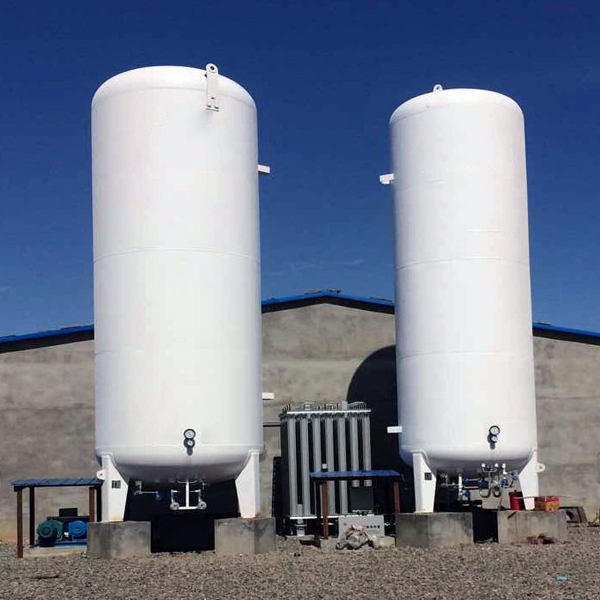
Cryogenic liquid storage tank is a storage pressure vessel for storing liquid oxygen, carbon dioxide storage tank, liquid argon, carbon dioxide and other media.
Cryogenic LNG tanks are mainly used to store and transport liquefied natural gas.
Technology and Innovation in Liquid Nitrogen Storage Tanks
Use and maintenance of cryogenic argon tanks
Liquid oxygen tanks play a vital role in the industrial sector and have a wide range of applications.
As industrial production and medical needs continue to grow, the demand for oxygen is also rising. Our oxygen storage tanks are designed to provide safe, reliable and economical oxygen storage solutions for a variety of commercial and industrial applications.
The material selection of liquid nitrogen storage tanks is crucial, because the storage conditions of liquid nitrogen are extremely harsh, requiring the material to maintain good performance at extremely low temperatures.