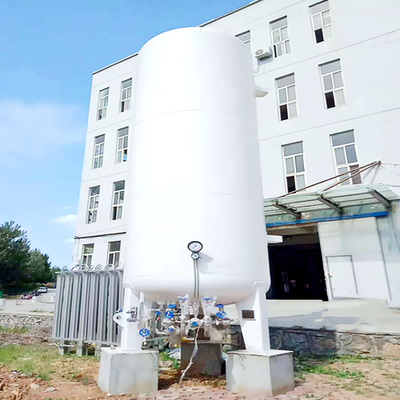
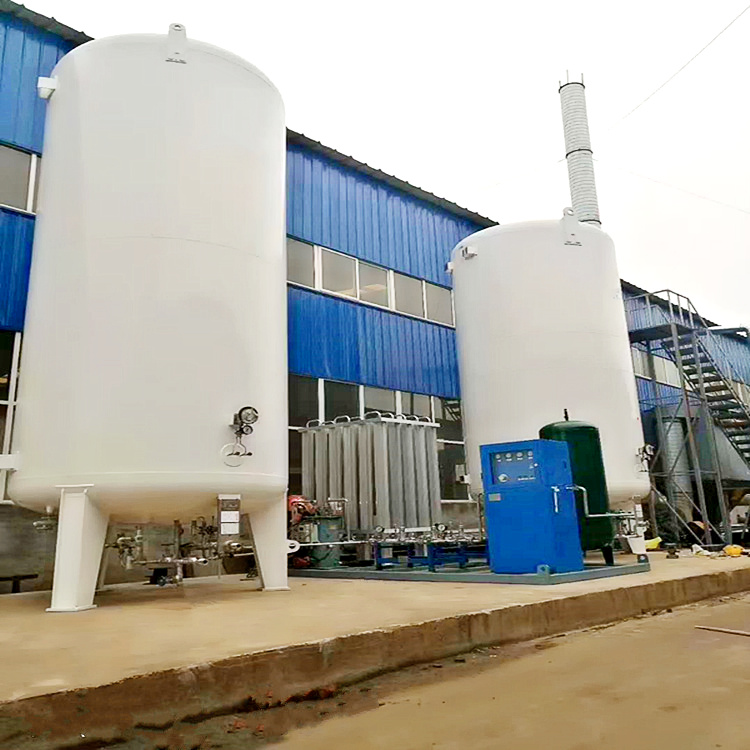
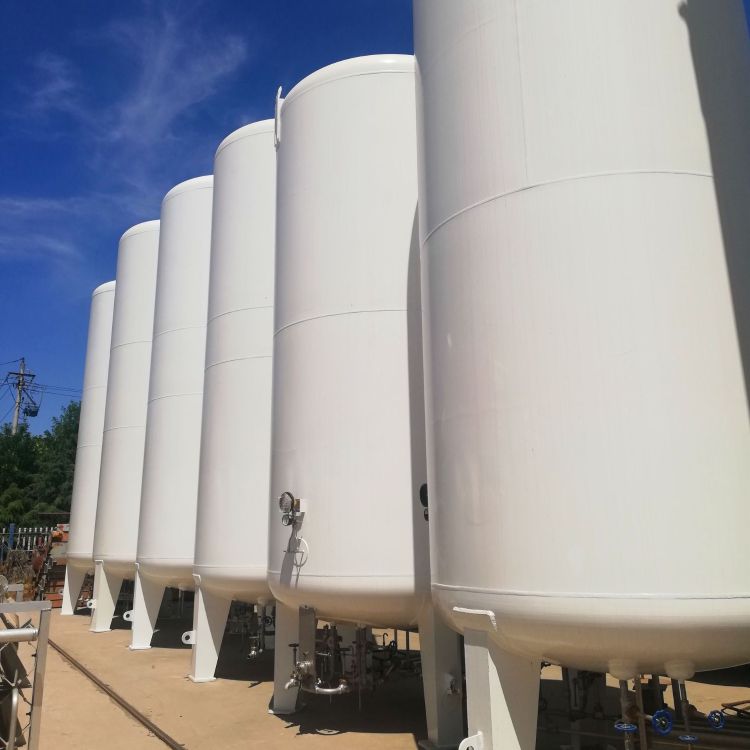
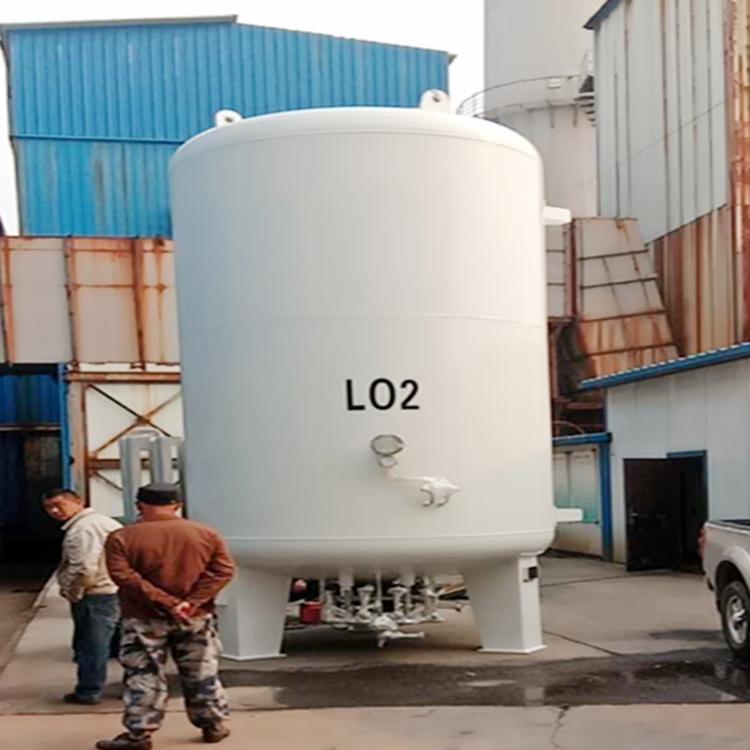
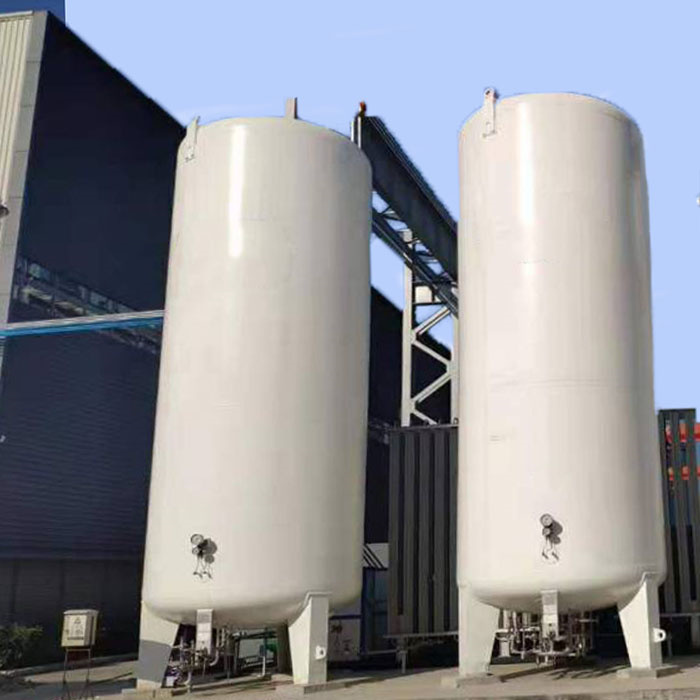
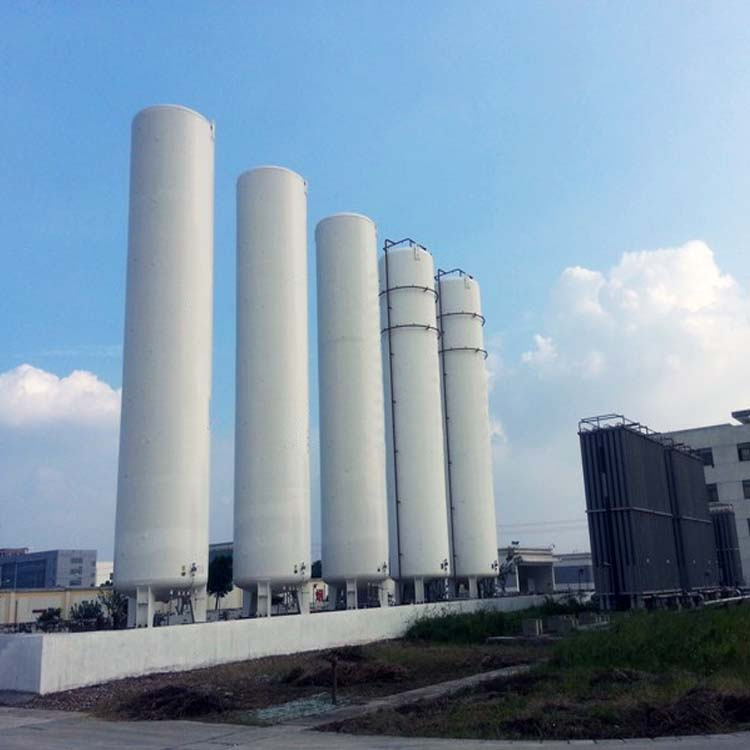
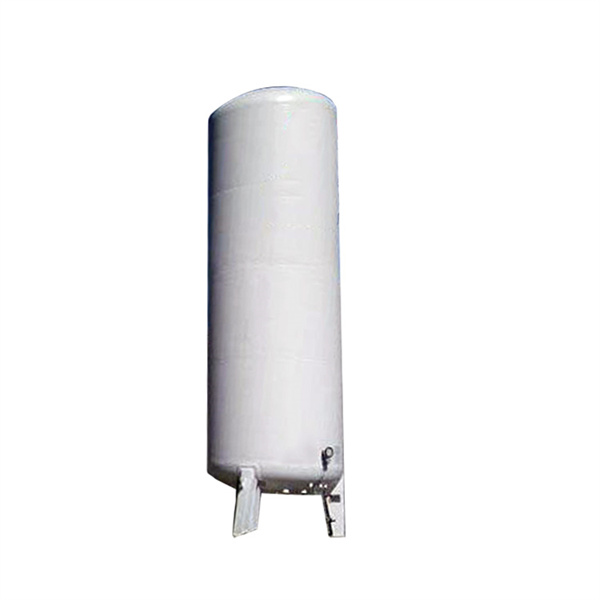
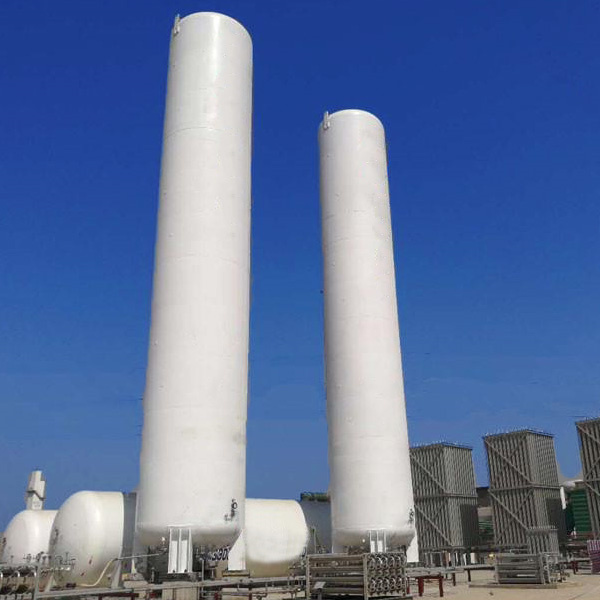
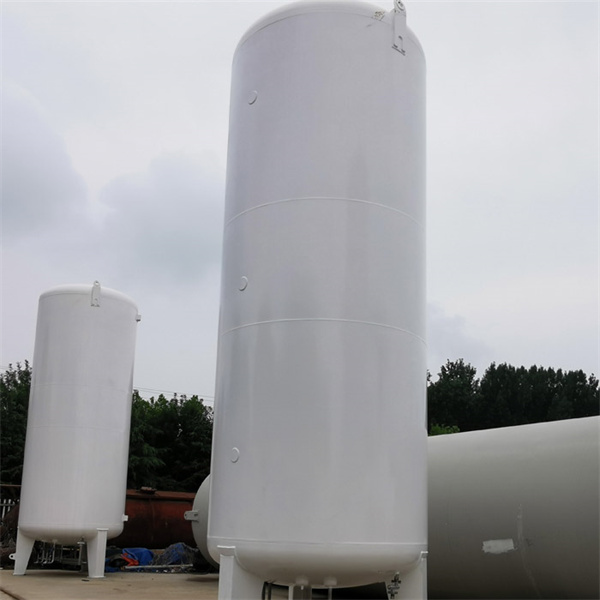
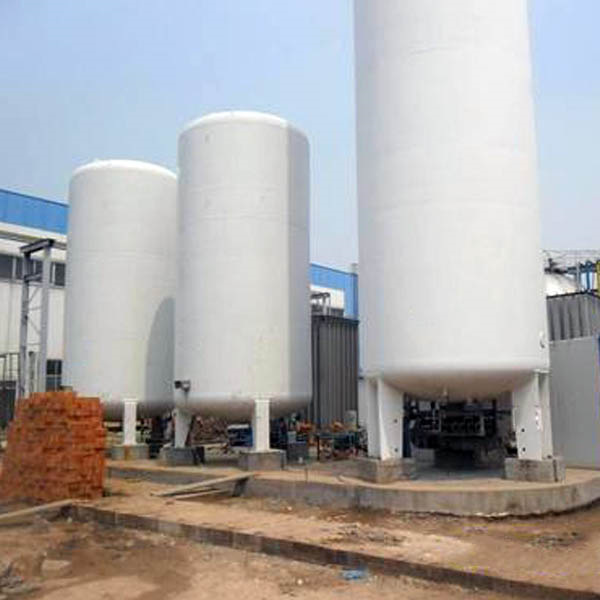
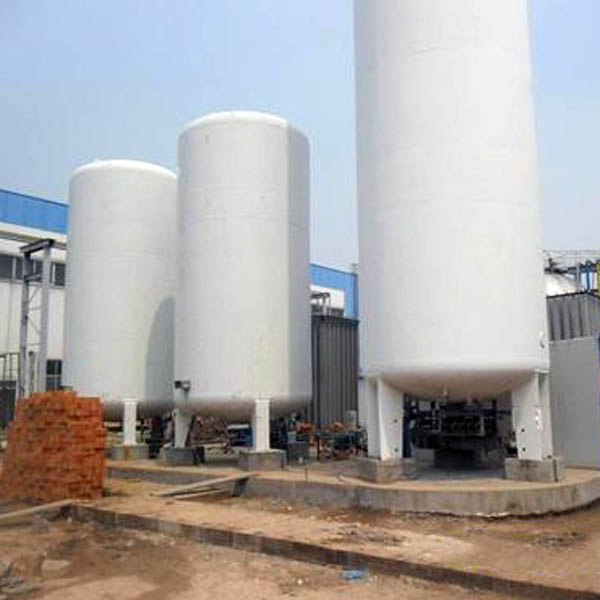
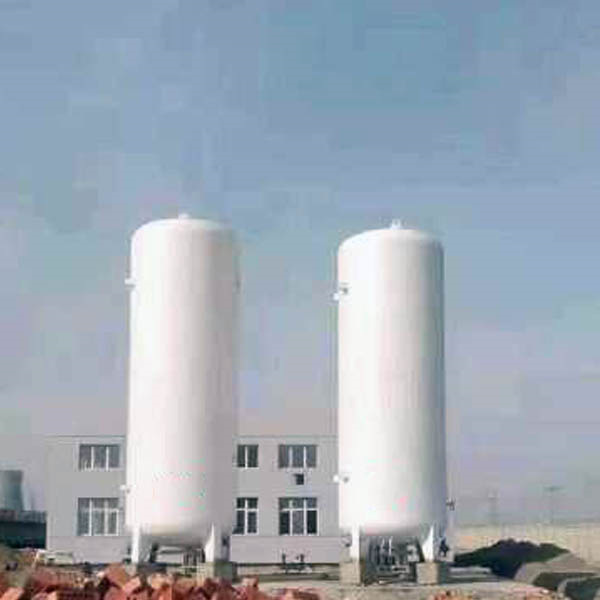
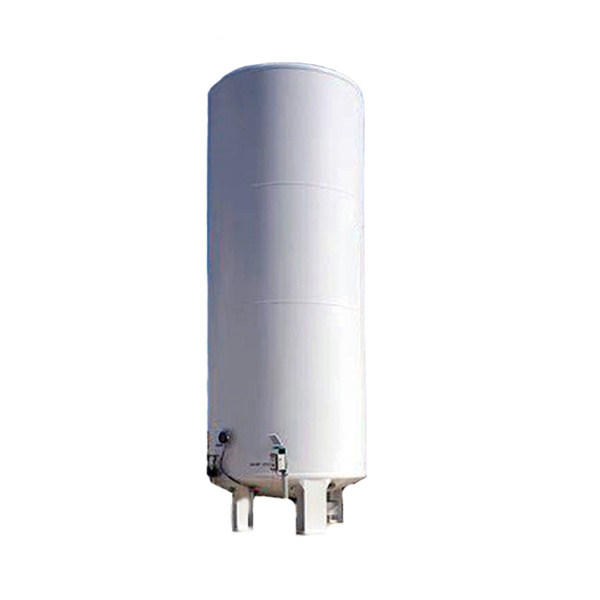
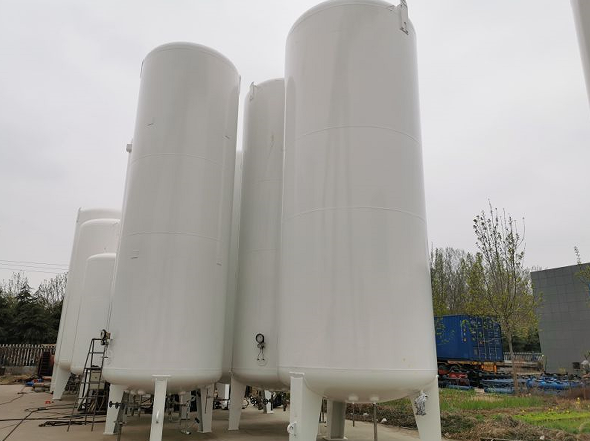
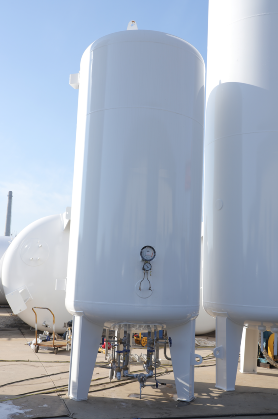
Liquid oxygen tanks are special containers for storing liquid oxygen. Their design parameters are critical to ensure the safe and efficient operation of the tanks.
According to the size, material and design requirements of the tank, select the appropriate welding method, such as tungsten inert gas welding (TIG), metal arc welding (MIG) or electron beam welding.
The testing of liquid oxygen tanks covers many aspects, including pressure testing, vacuum maintenance testing, chemical and physical testing, welding quality inspection, leak testing, and emergency response drills.
Material selection for liquid oxygen tanks is critical because they must be able to withstand extreme cryogenic conditions, high pressures, and the highly oxidizing properties of liquid oxygen.
Liquid oxygen tanks play a vital role in the industrial sector and have a wide range of applications.
In the medical field, the application of liquid oxygen tanks is crucial. They not only provide an efficient way to store oxygen, but also greatly promote the development of various medical activities.
As industrial production and medical needs continue to grow, the demand for oxygen is also rising. Our oxygen storage tanks are designed to provide safe, reliable and economical oxygen storage solutions for a variety of commercial and industrial applications.
The maintenance of liquid oxygen tanks includes the maintenance of the outer shell and inner cylinder, the maintenance of the insulation system, the calibration of safety accessories, and the maintenance of the vacuum degree.
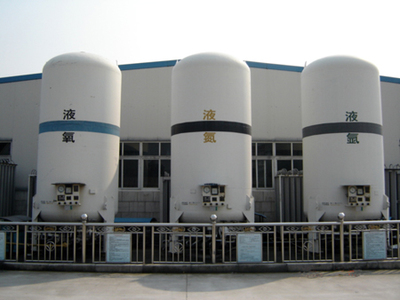
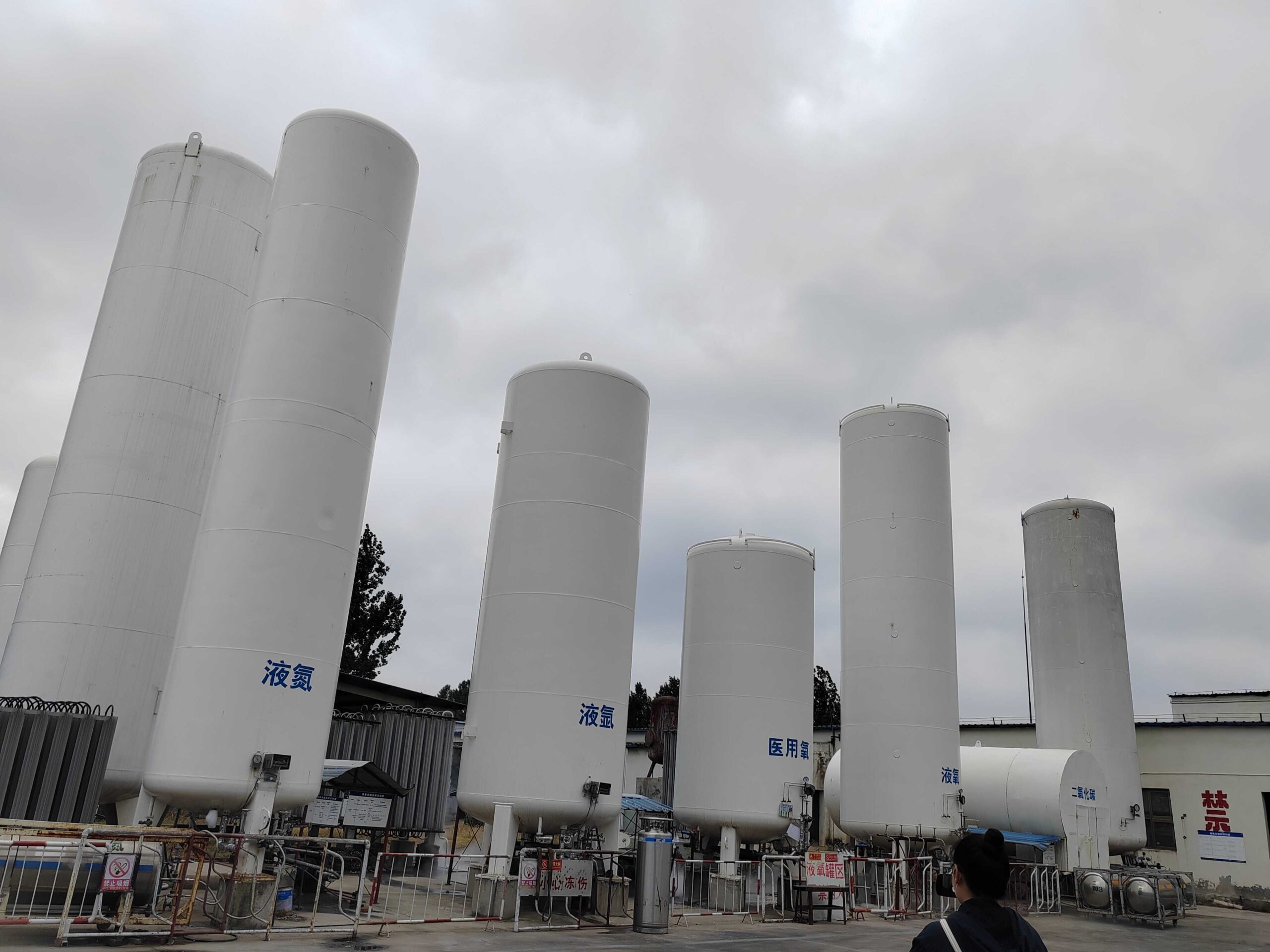
Liquid oxygen storage tanks are mainly used for cryogenic liquid storage of oxygen.
The purpose of safe distance from liquid oxygen storage containers is to ensure safety.
Whether during transportation, operation or storage, liquid oxygen tanks must be kept upright and effectively isolated.
Before using the cryogenic tank, it should be purged with liquid oxygen from a tanker truck to ensure that the dew point of the gas in the tank is no higher than -45°C before it can be used.
The stainless steel inner tank is suitable for contact with low-temperature media, and the plate thickness can withstand 8 to 16 kilograms of pressure, which is enough to ensure the pressure-bearing safety of the cryogenic liquid oxygen tanks.
Before using liquid oxygen storage tanks, a small amount of liquid nitrogen should be put in to pre-cool it.
Liquid oxygen storage tanks are used for transportation and storage equipment
The installation site must have good ventilation conditions or ventilation and ventilation devices, and can safely discharge liquids and gases.
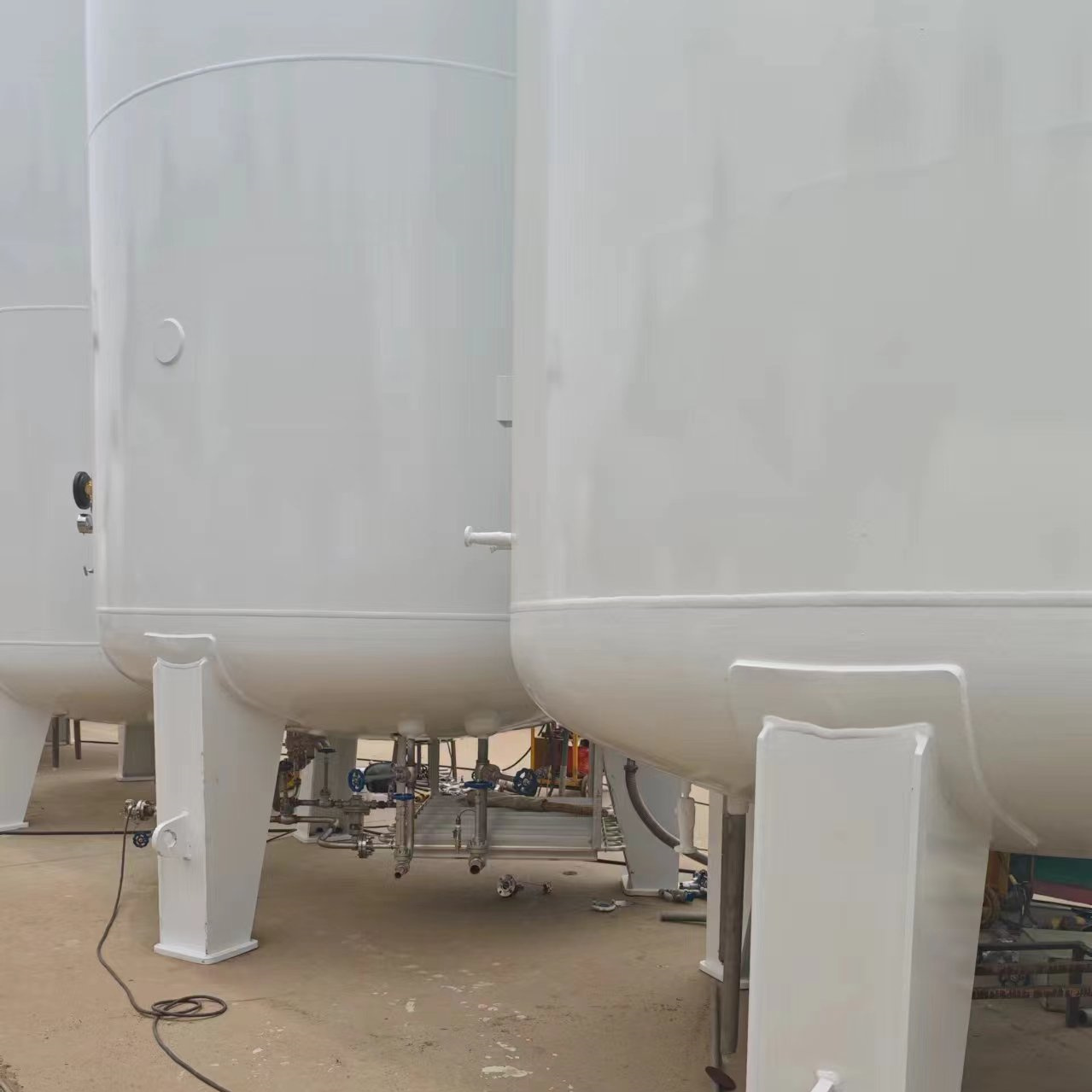
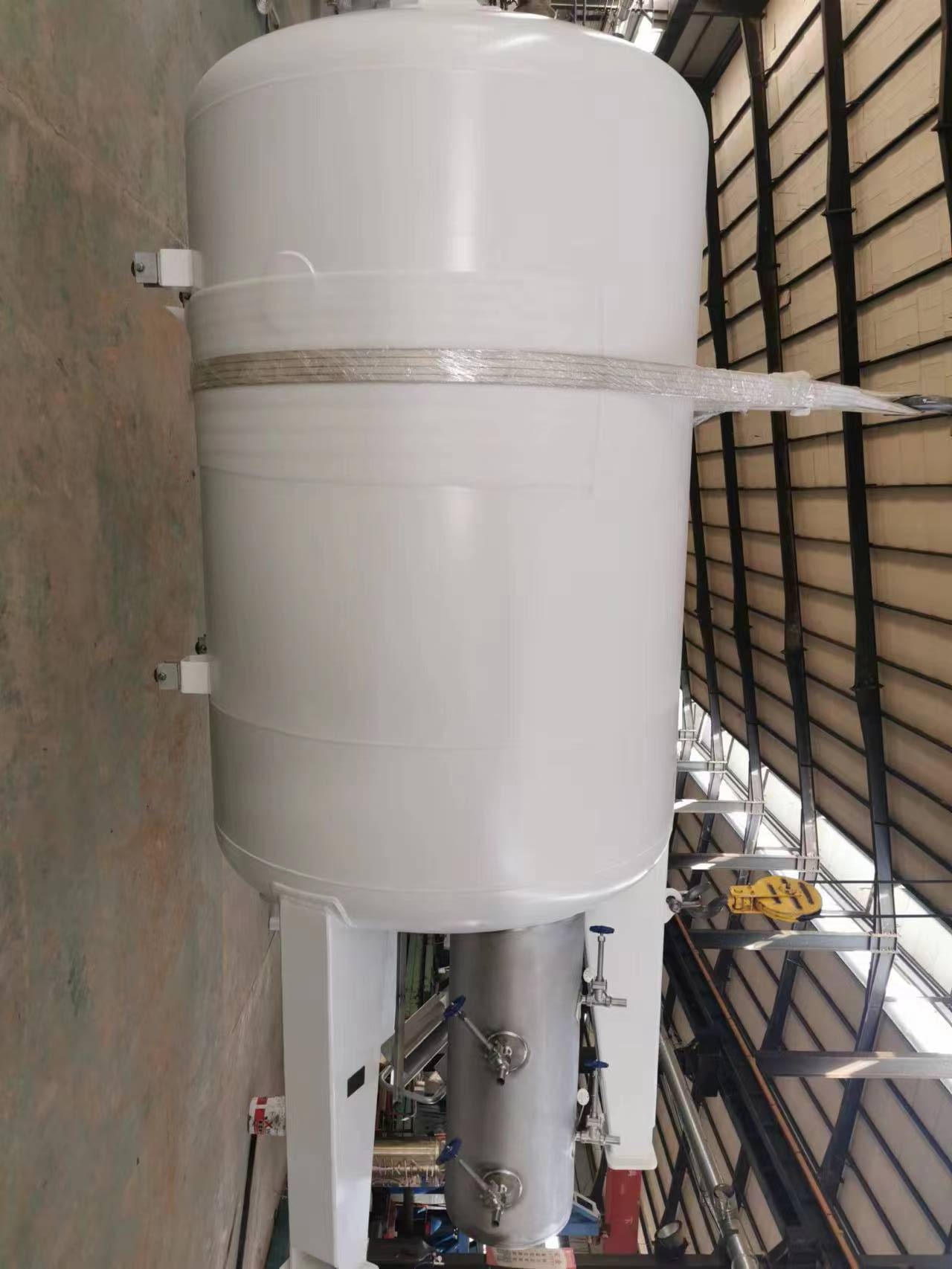
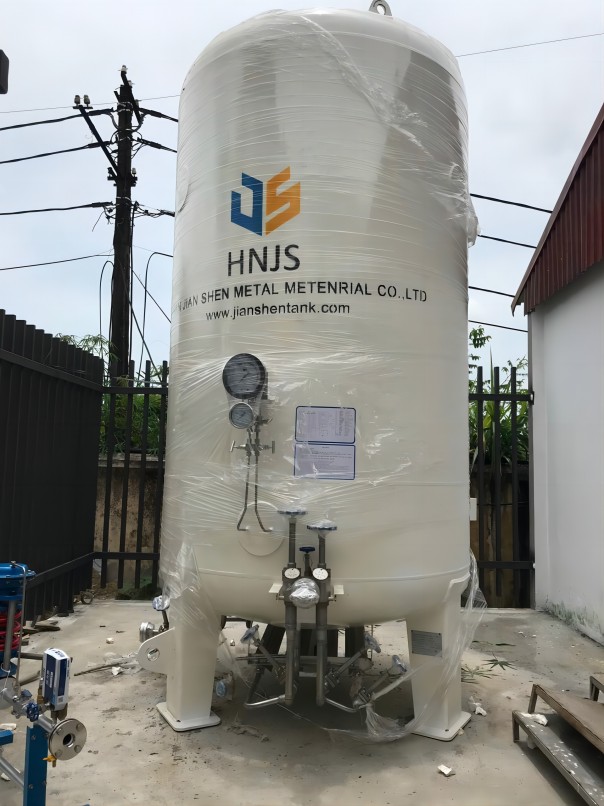
Storage of liquid oxygen must be insulated, so the liquid oxygen tank has an inner tank, an insulation layer (or vacuum layer), and an outer shell.
The protective equipment and appearance of the liquid oxygen storage tank should be in good condition, and purging and cleaning have been completed
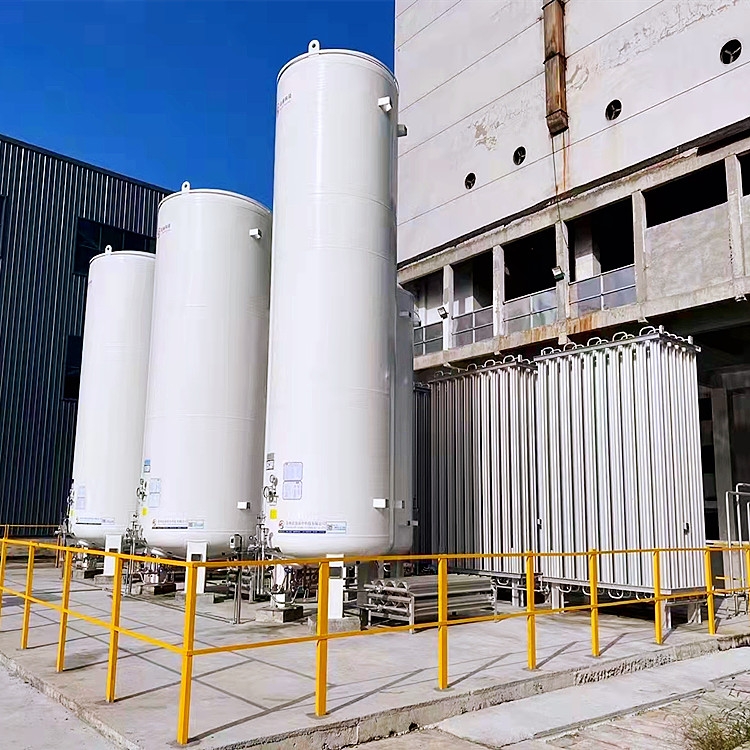
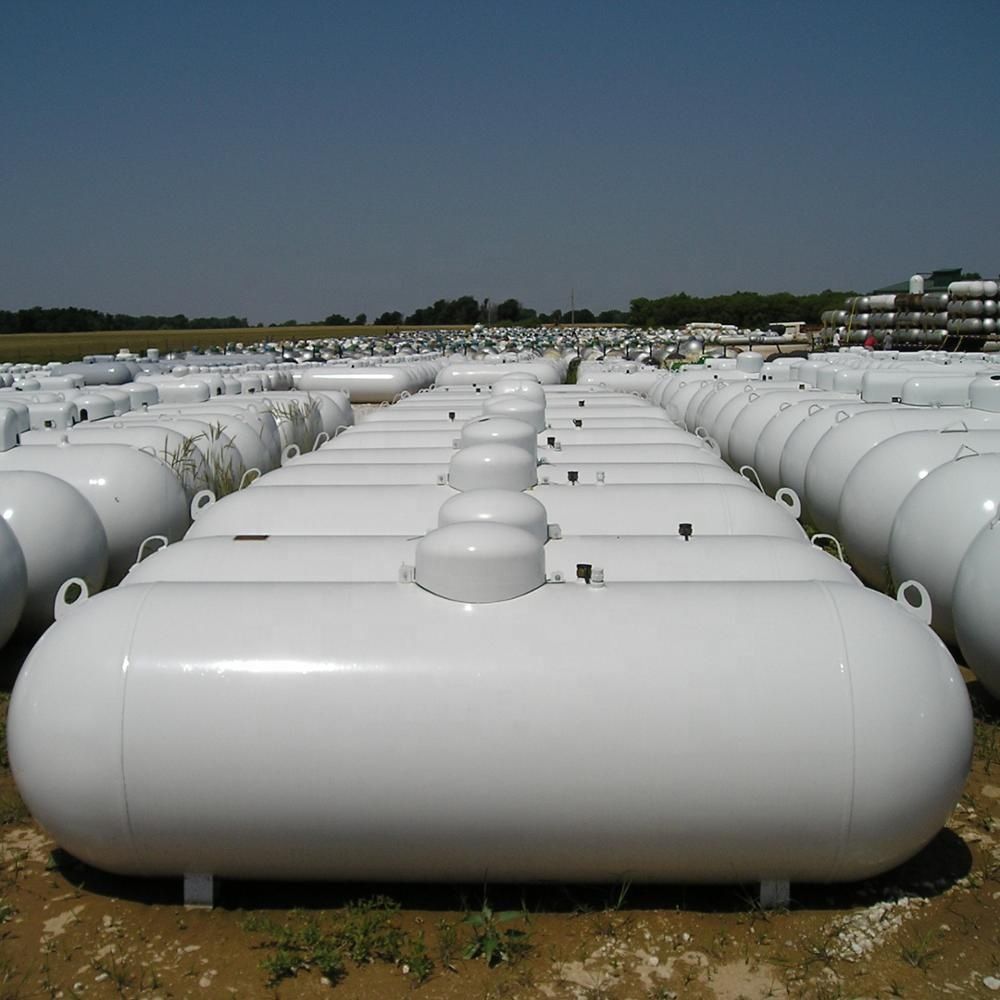
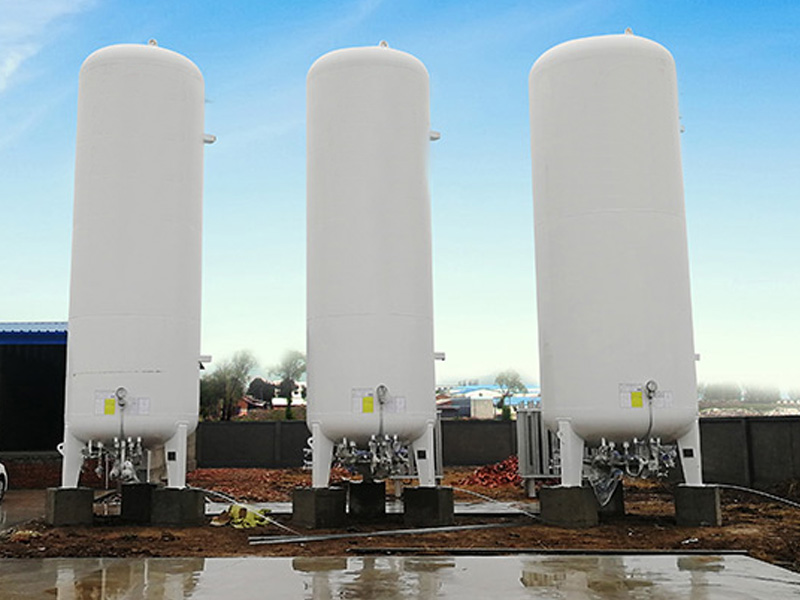
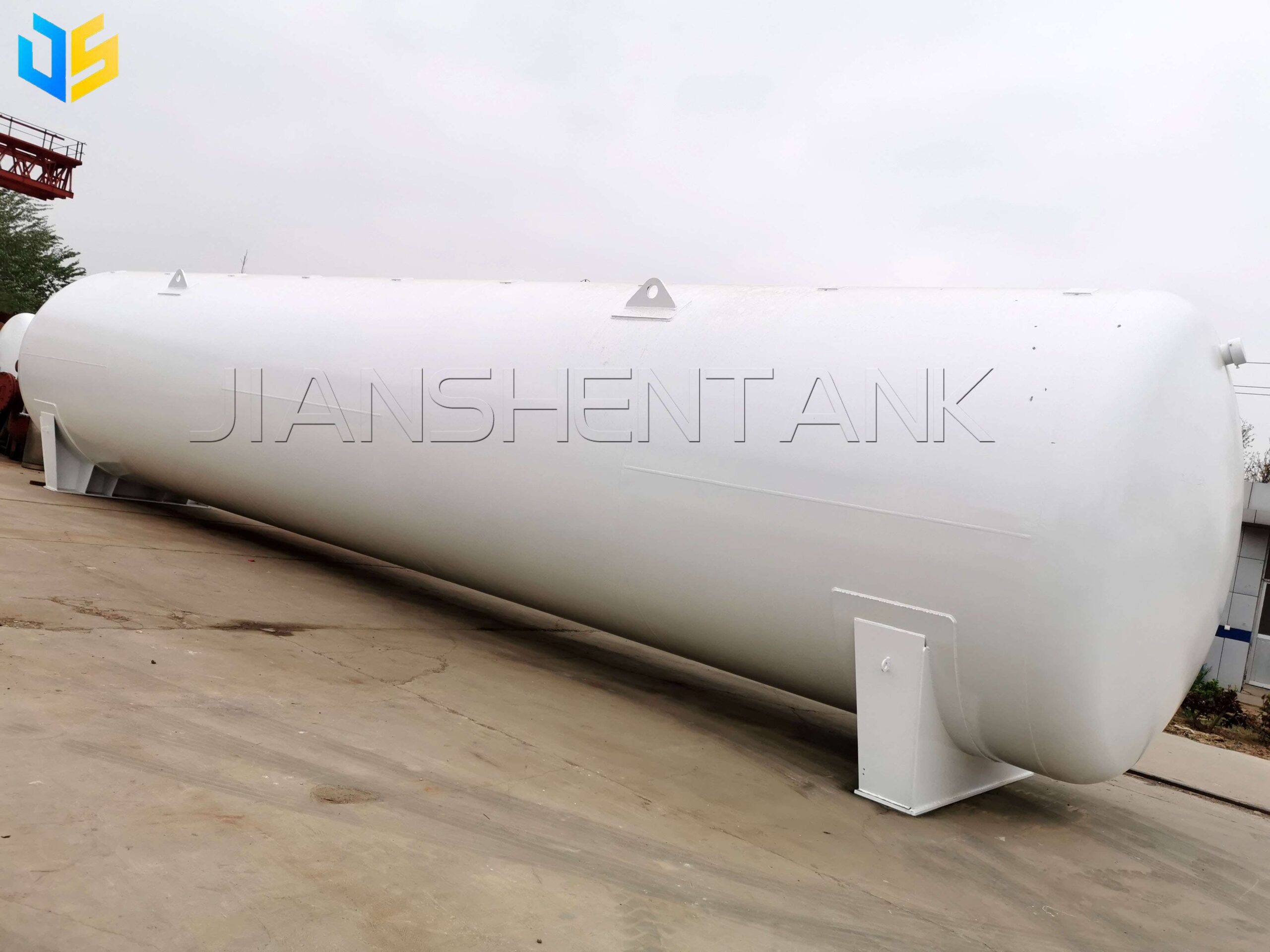
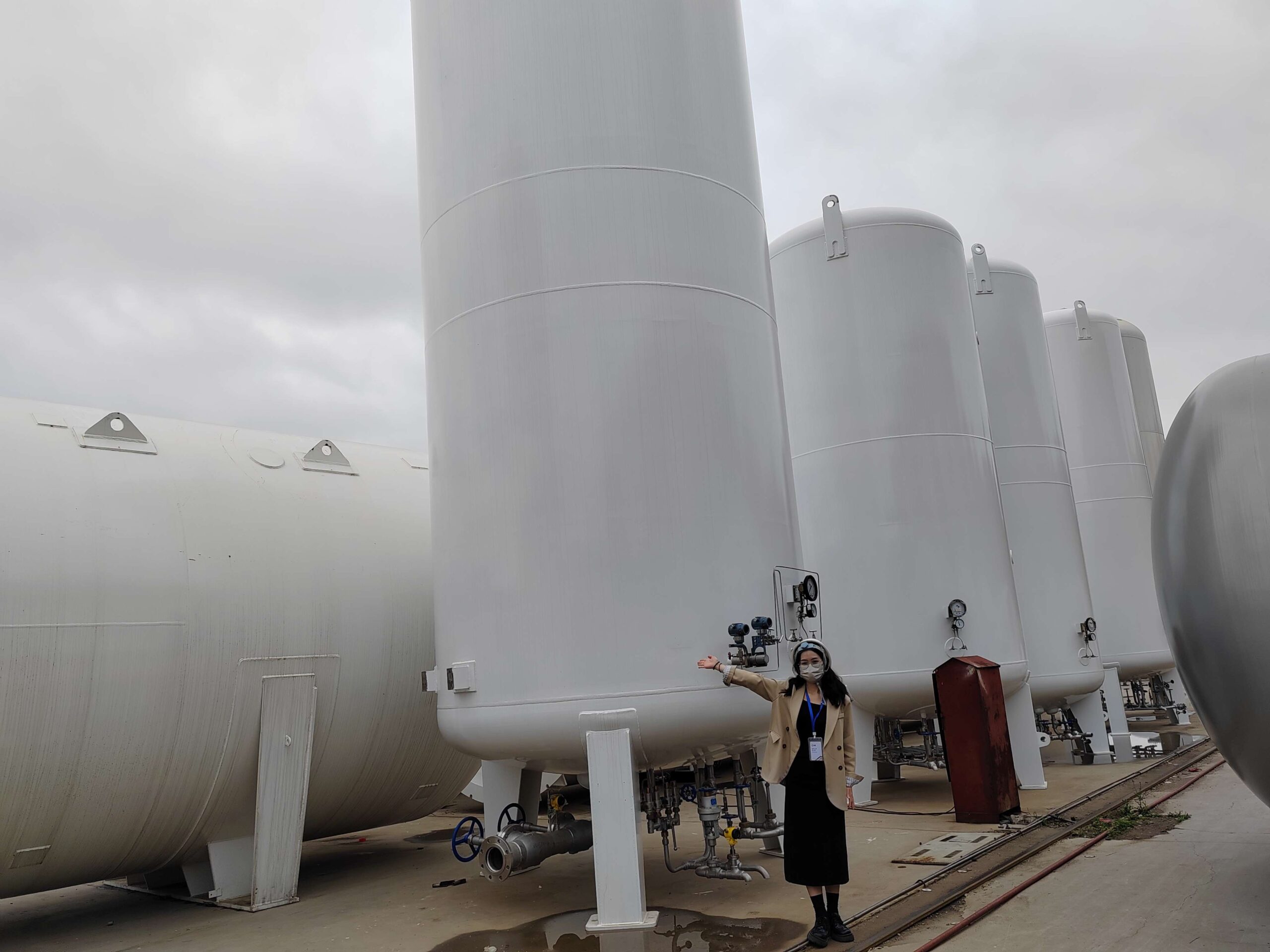
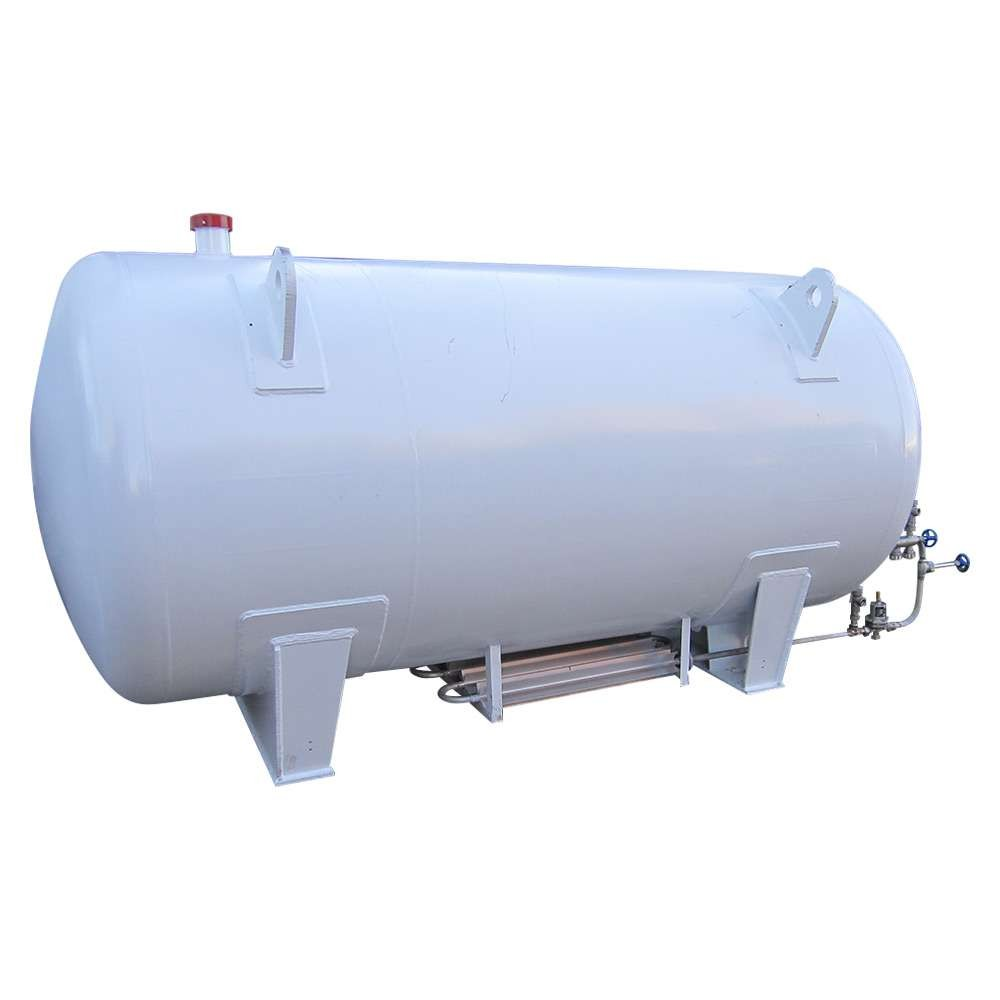
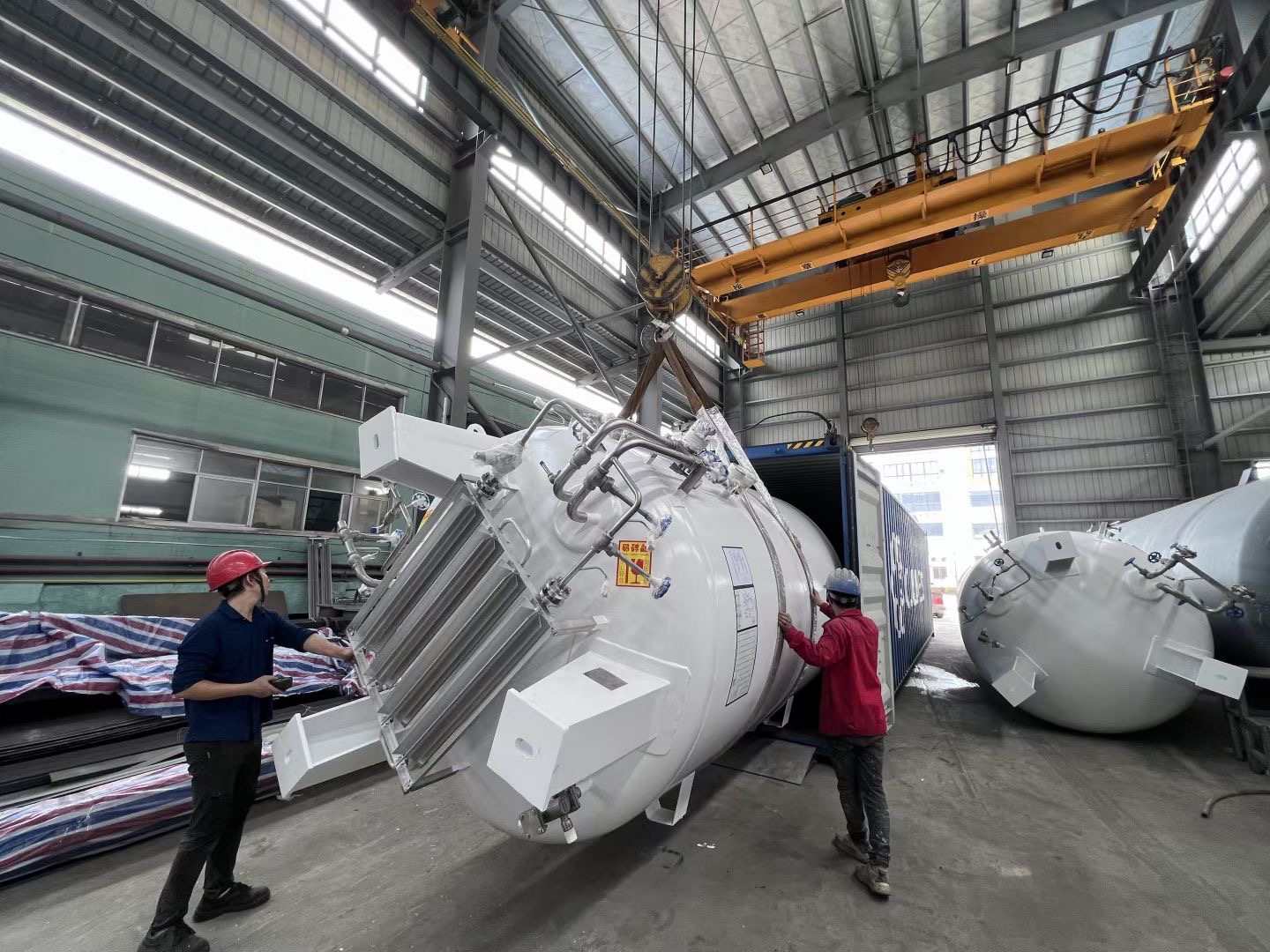
Vertical/horizontal cryogenic liquid oxygen storage tank is a kind of equipment for storing and transporting liquid oxygen, which is characterized by high efficiency, safety and energy saving.