Discover the crucial role of cryogenic tanks in the food industry, where they are used for various applications to ensure food safety and quality.
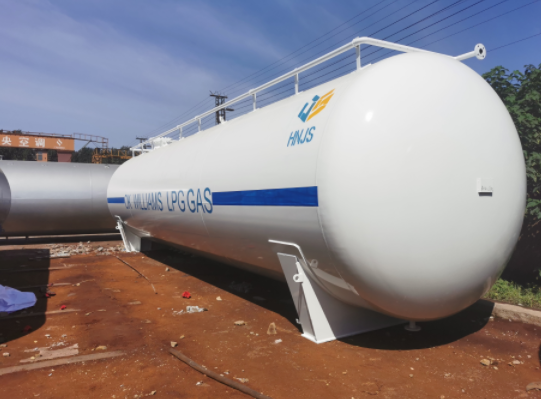
In the world of industrial engineering, pressure vessels are unsung heroes.
Storing and transporting liquefied natural gas require sophisticated systems to maintain its integrity.
Ever wondered how natural gas is transformed into a liquid?
Liquefied Natural Gas (LNG) is a revolutionary form of natural gas cooled to an astonishing -260F (-162C), transforming it into a liquid state.
The accident and the equipment around the accident should be fully inspected to determine the condition of the equipment before it is put into use.
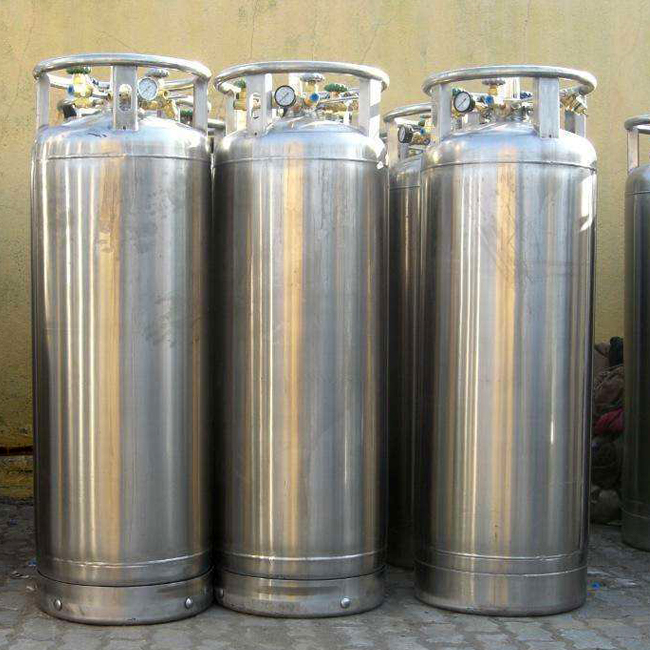
In this article, we conduct a detailed comparative analysis between the traditional Dewar flasks and modern low-temperature storage tank technologies.
CNG, positioned as a clean energy source, boasts significant advantages.
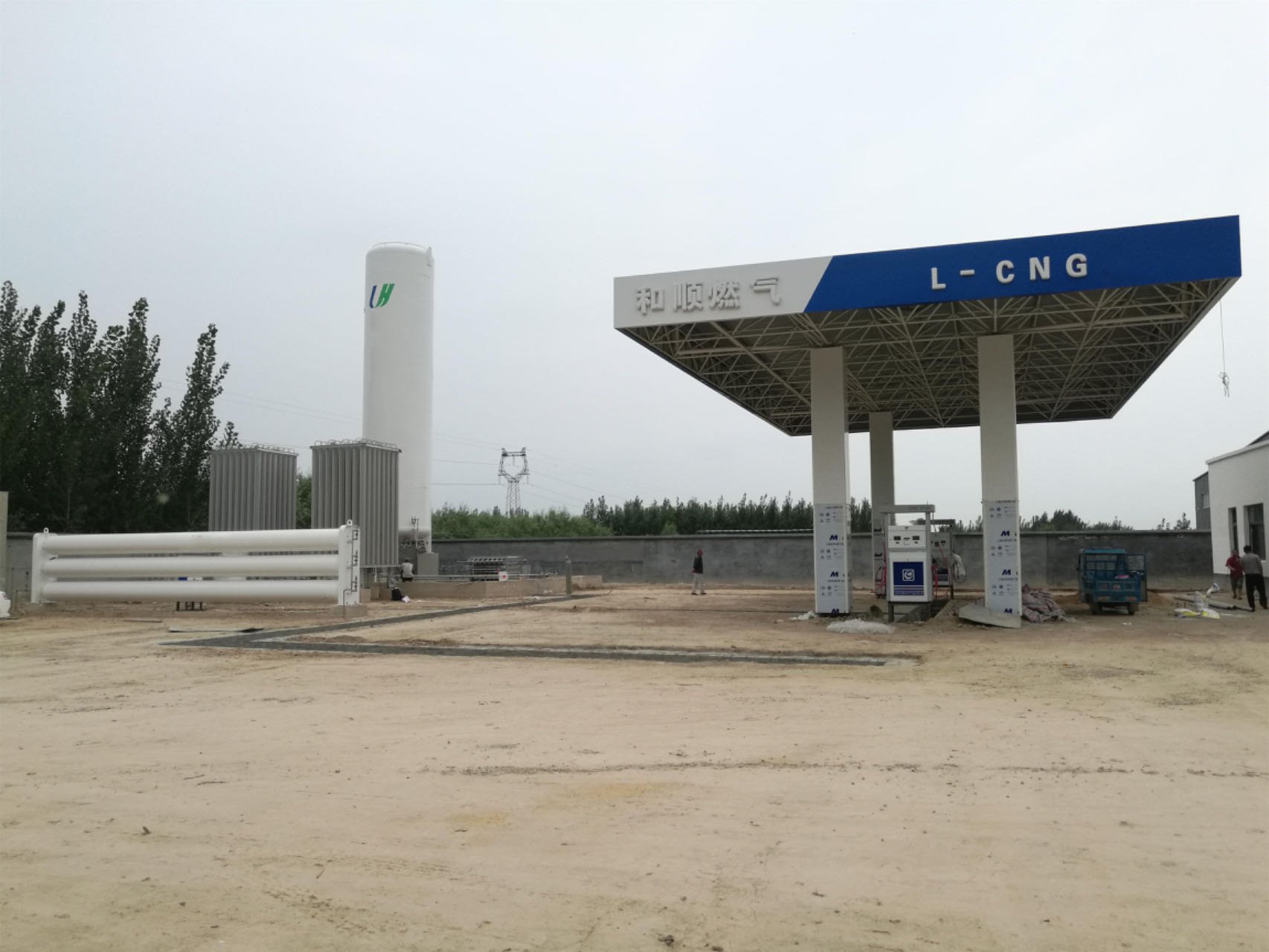
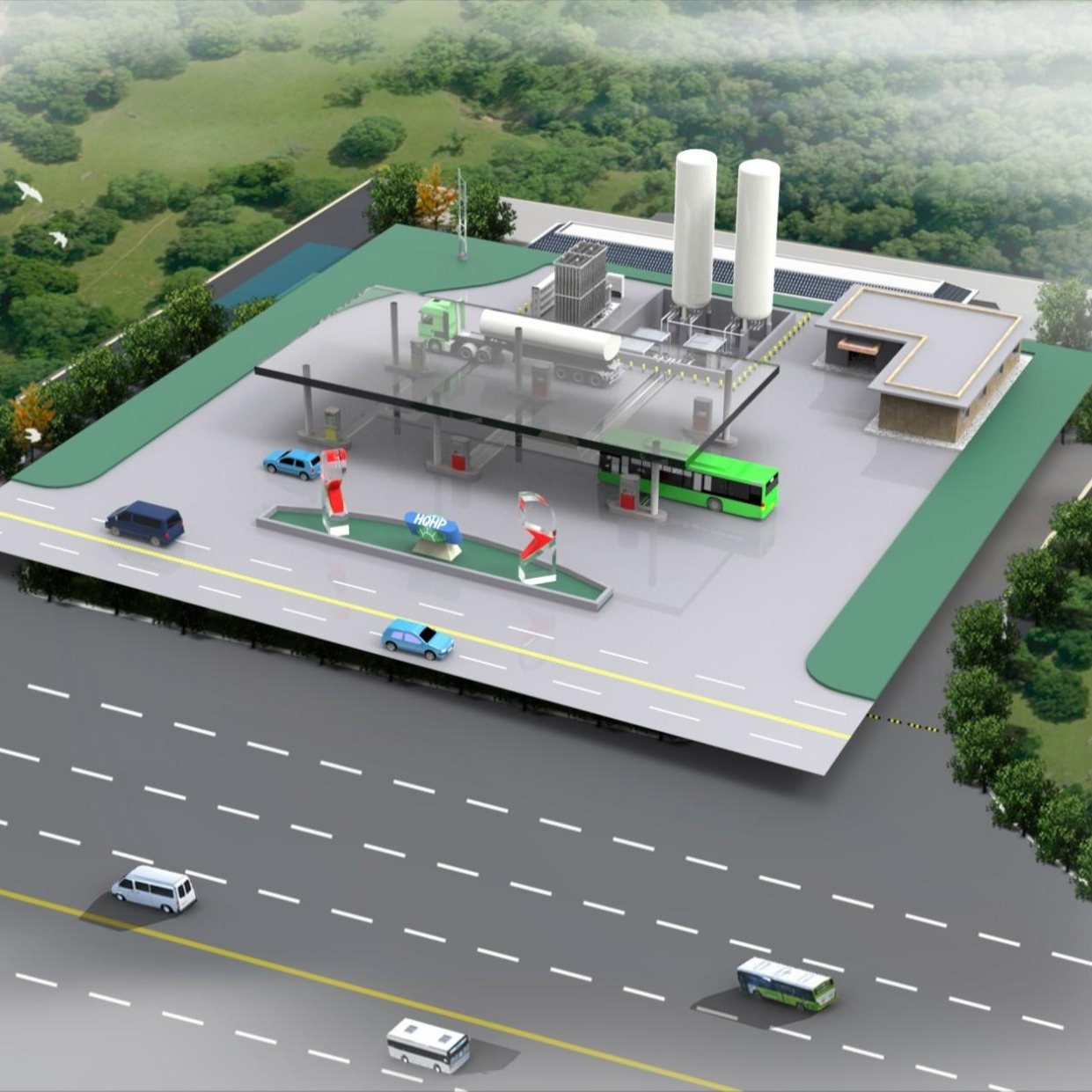
The construction of a CNG refueling station is a complex process beginning with site selection
Technological precision defines the role of low-temperature tanks in healthcare.
Low-temperature tanks in the LNG industry showcase engineering excellence.
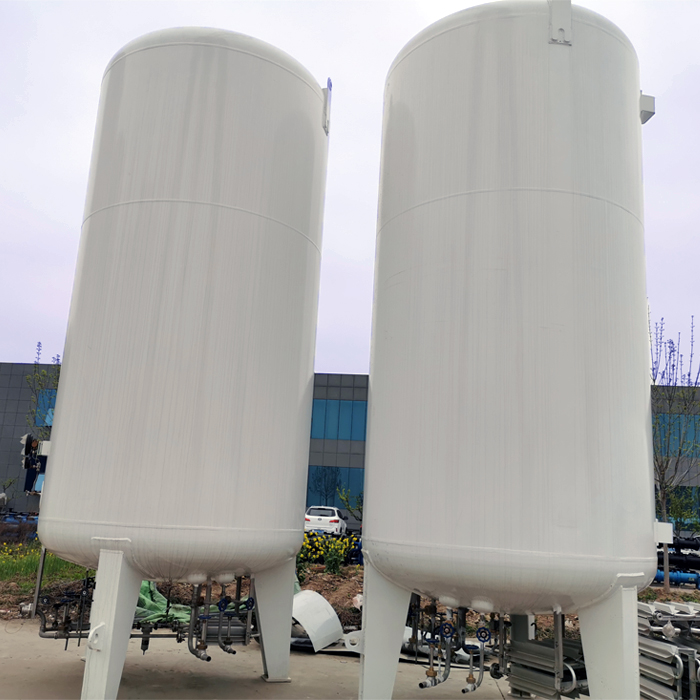
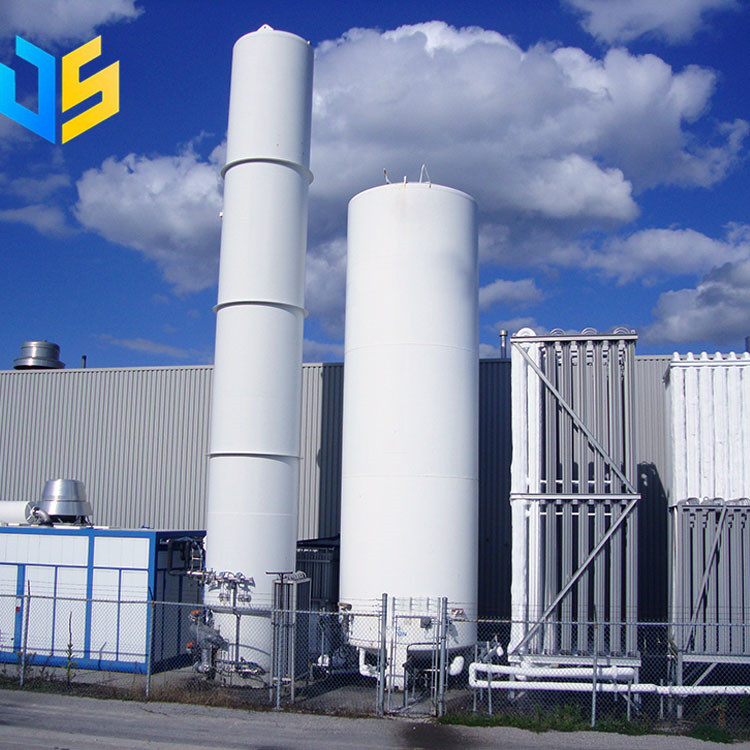
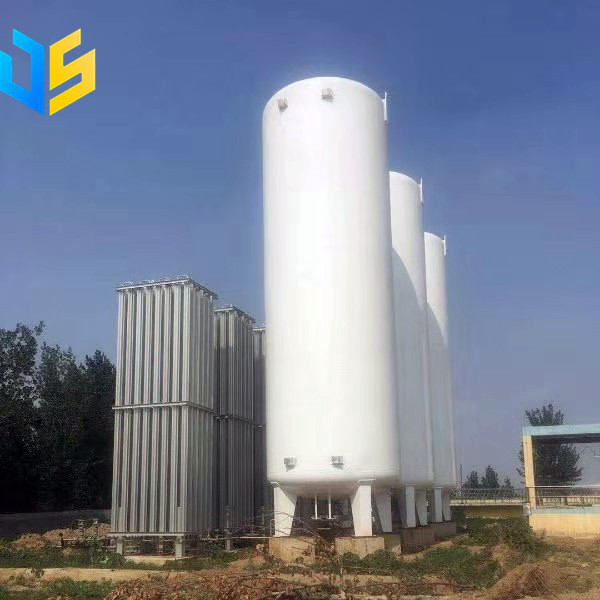
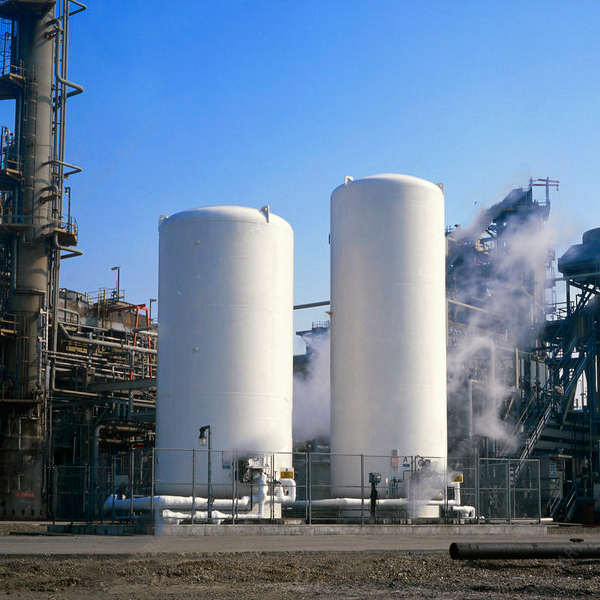
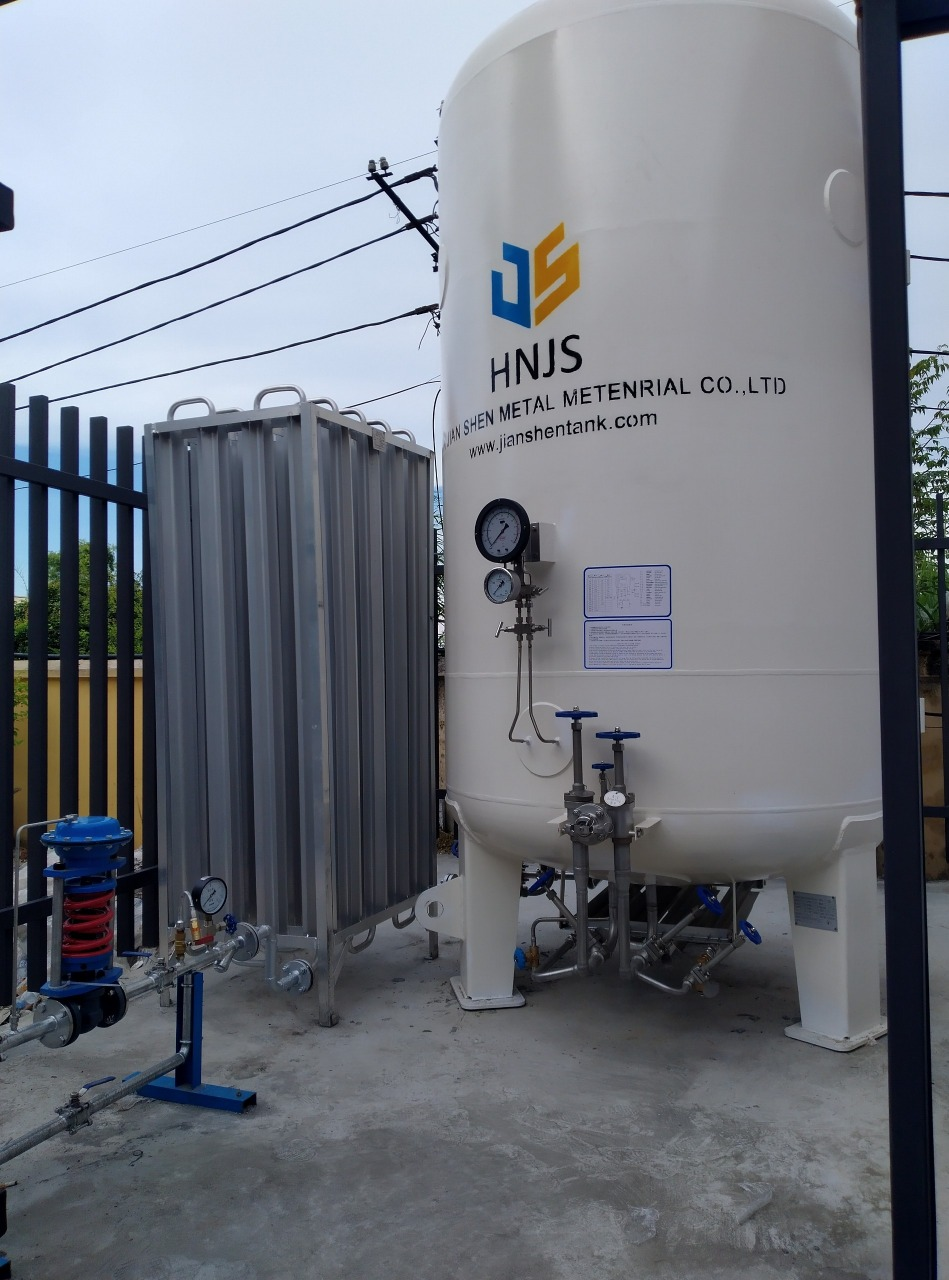
Liquid natural gas must be stored in cryogenic tanks, which usually consist of an inner tank and an outer tank filled with insulation.
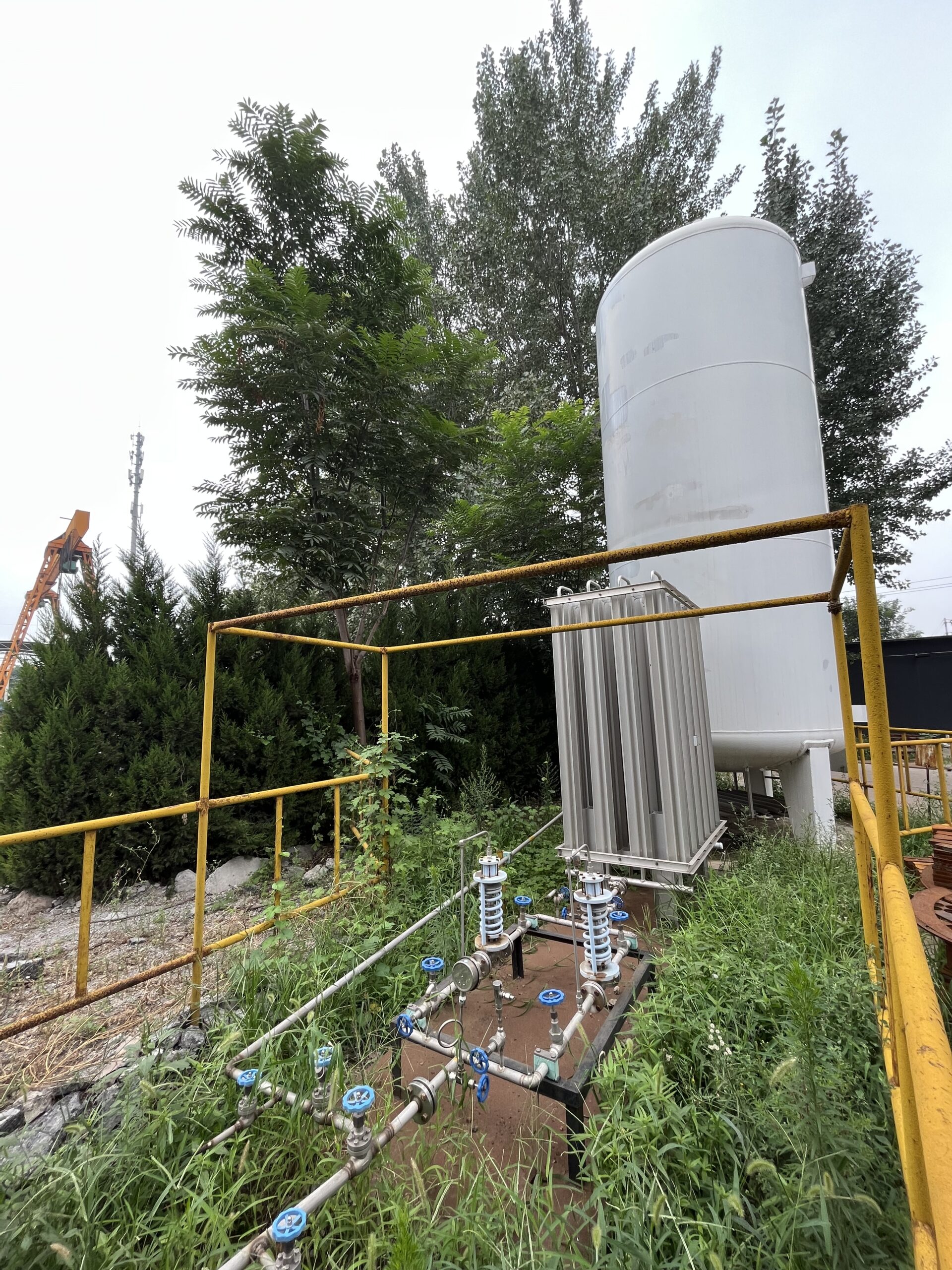
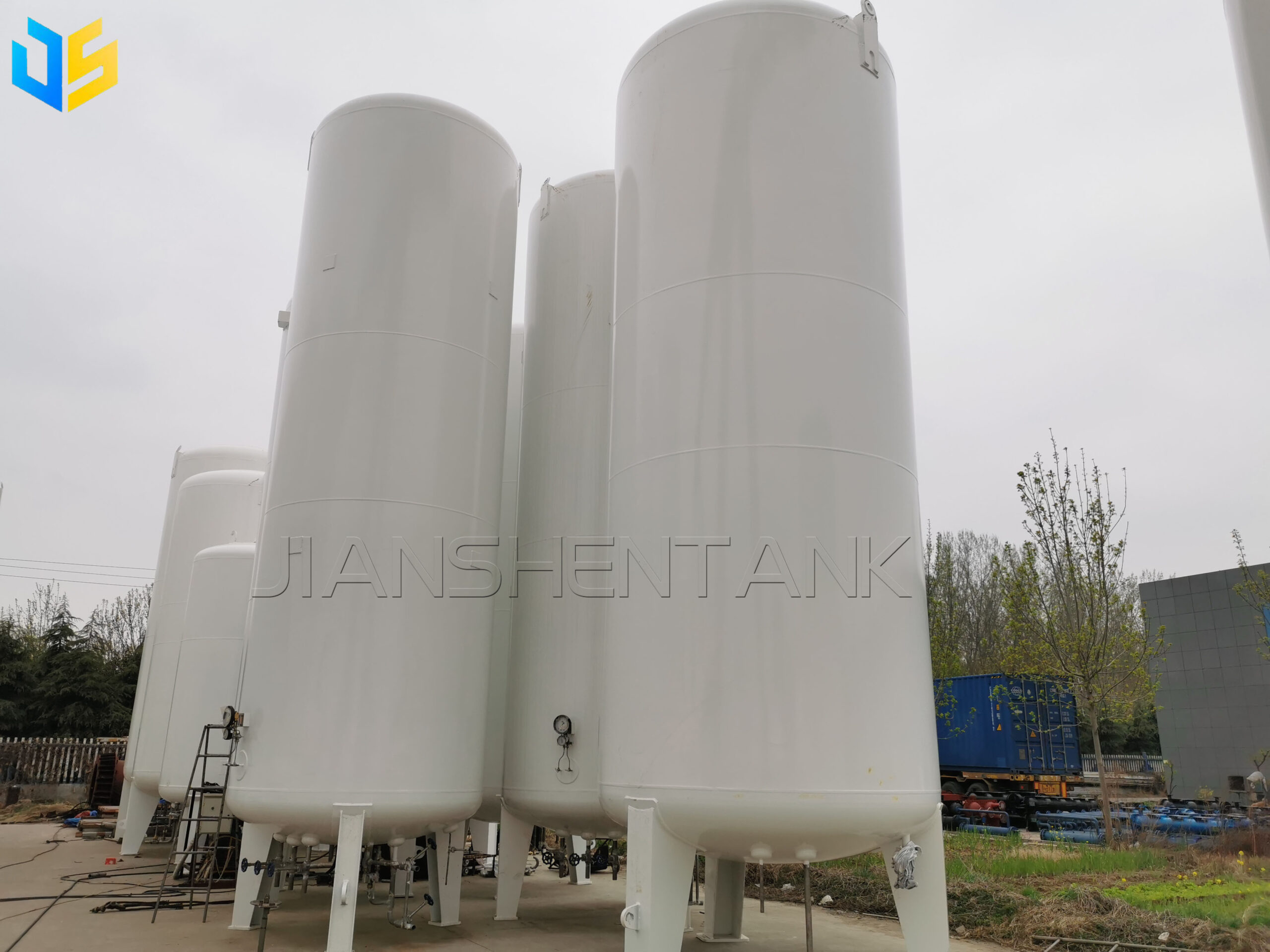
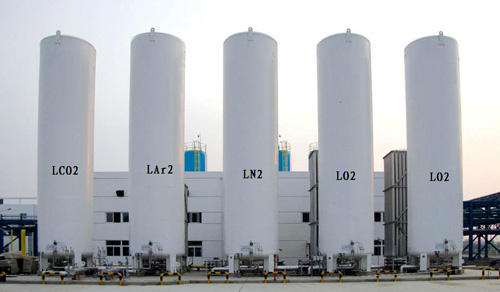
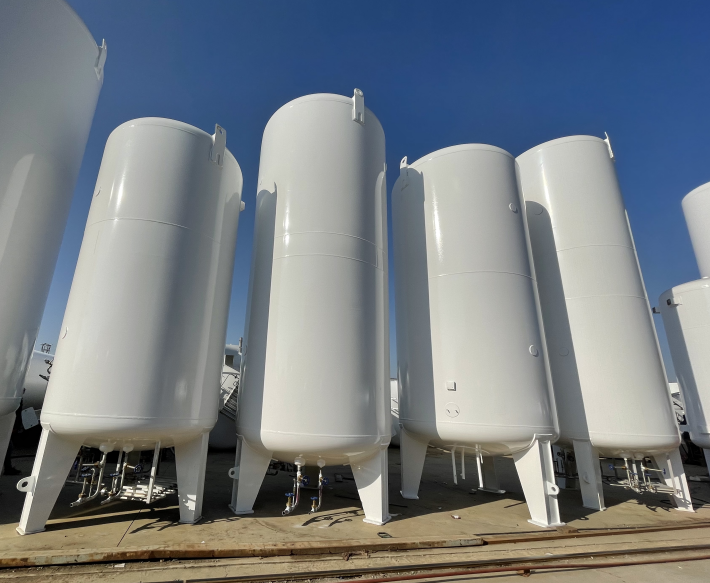
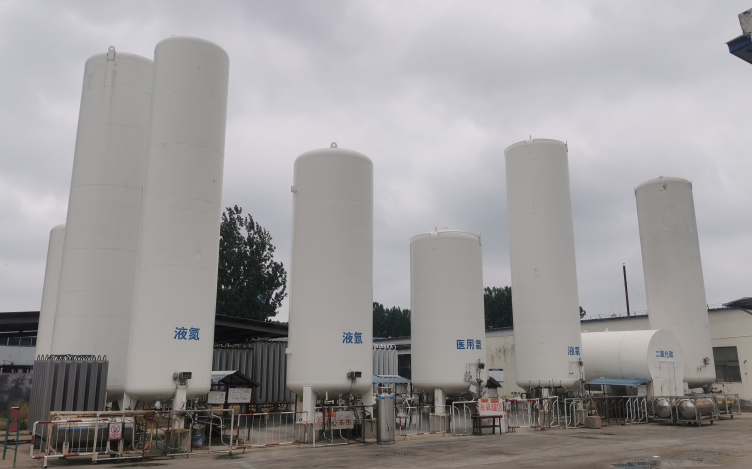
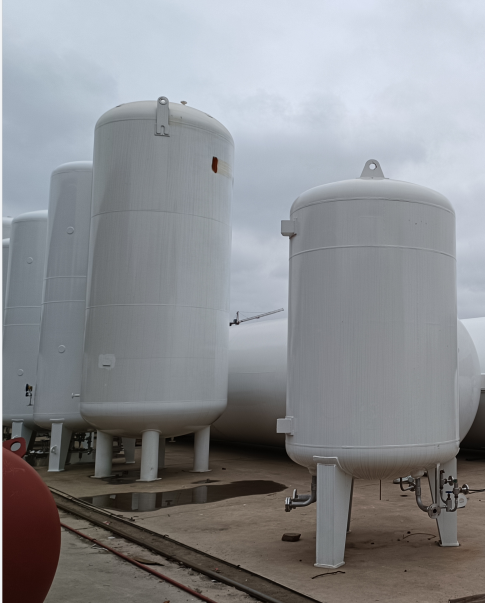
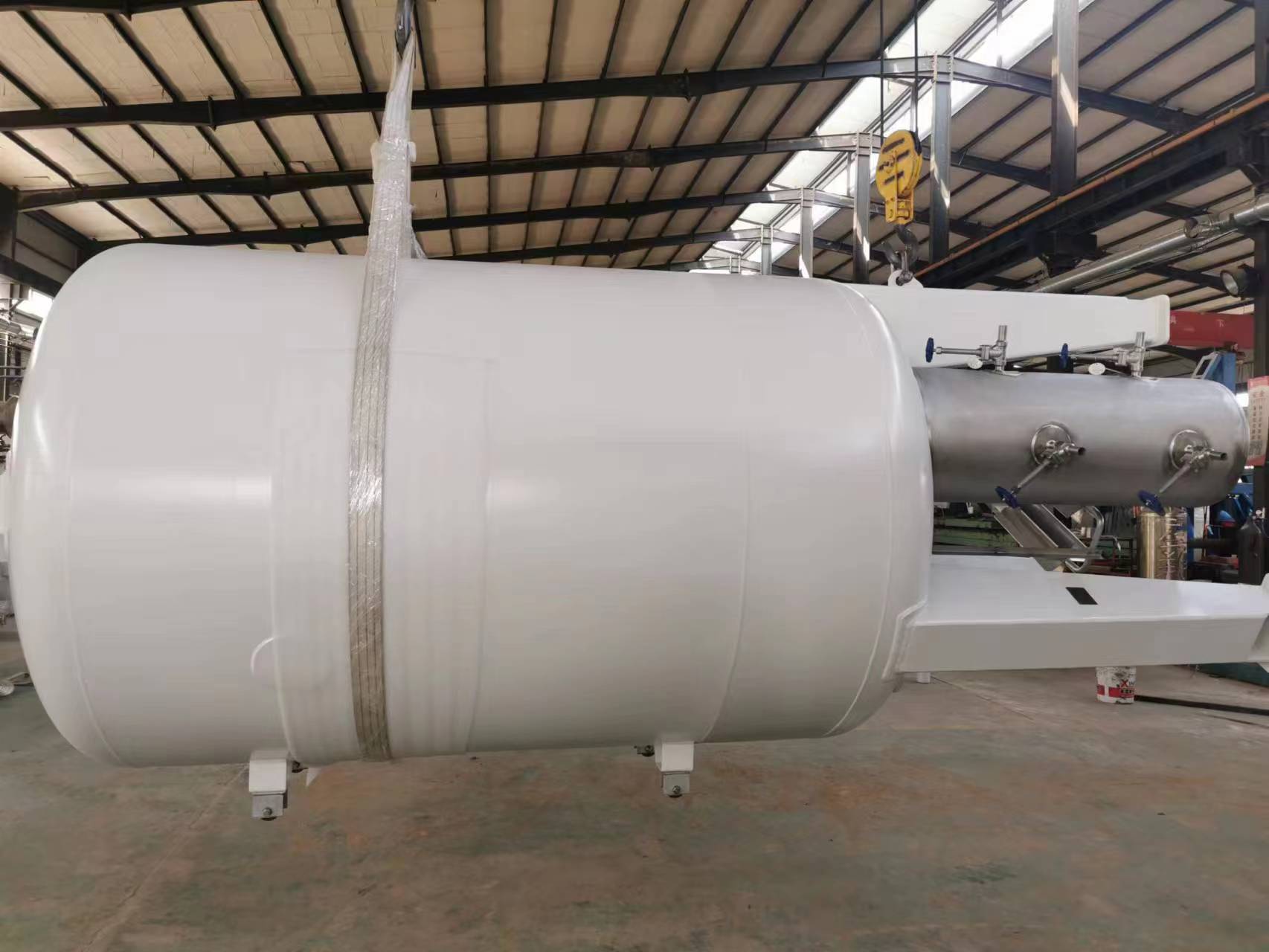
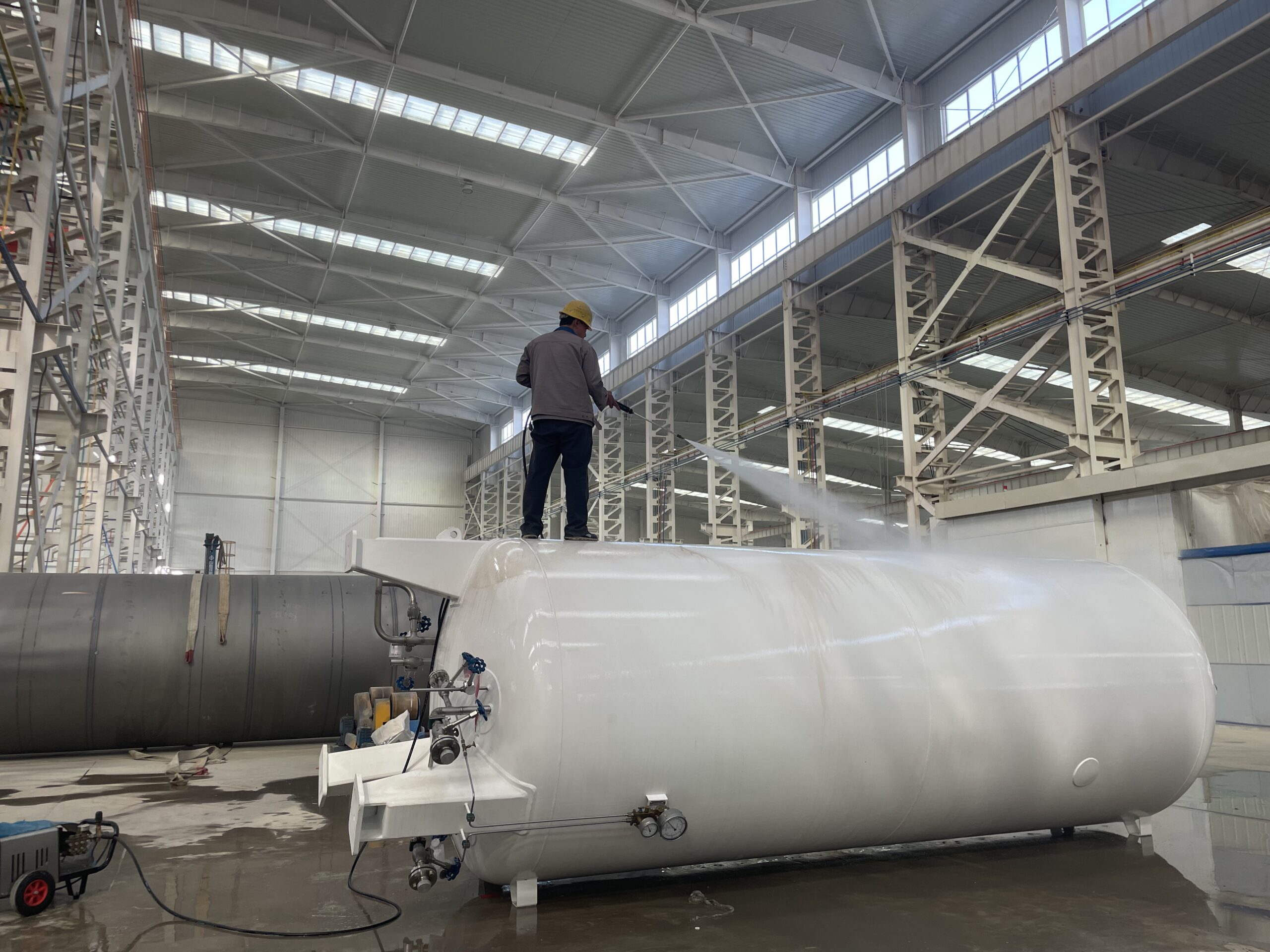
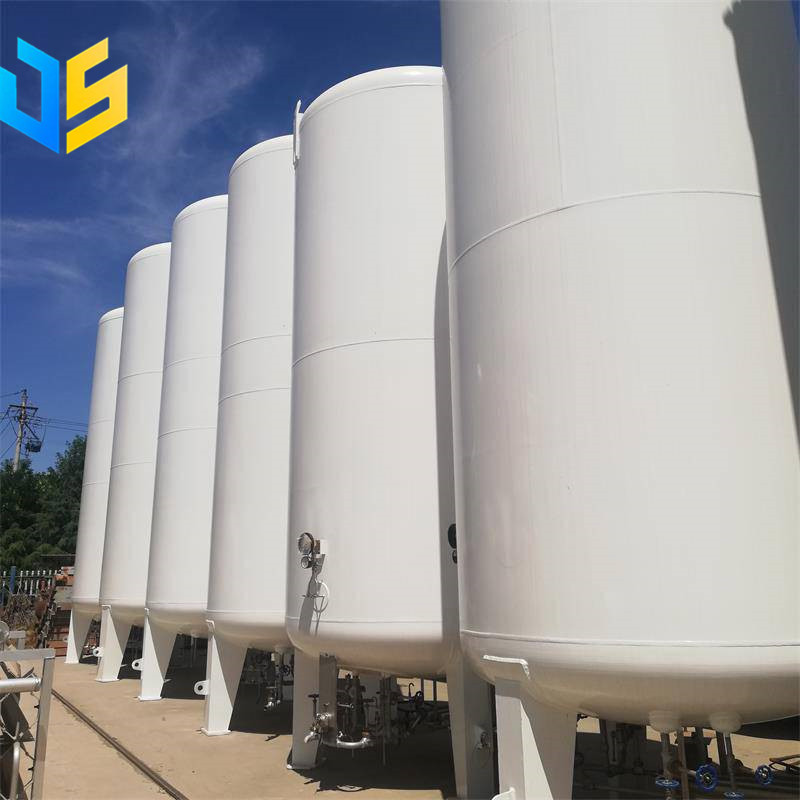
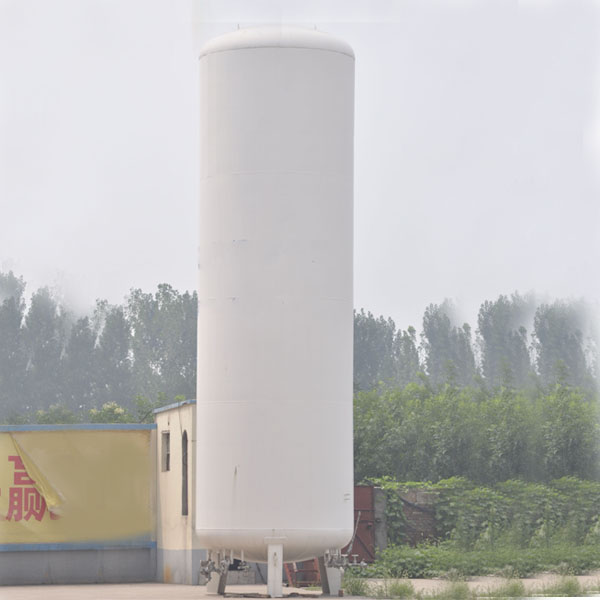
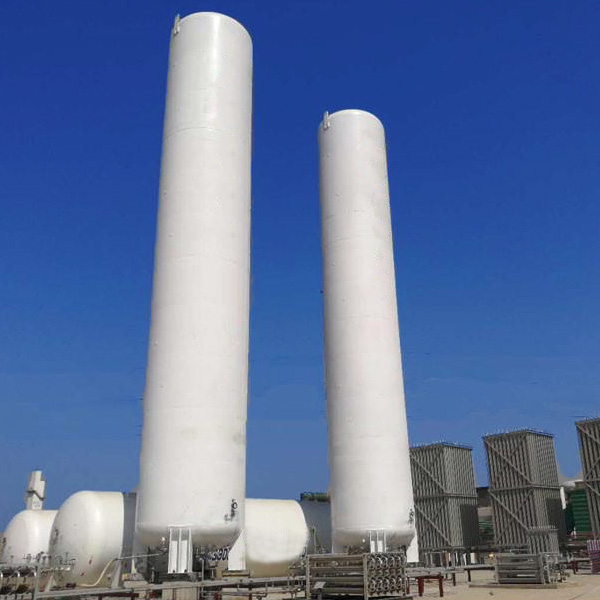
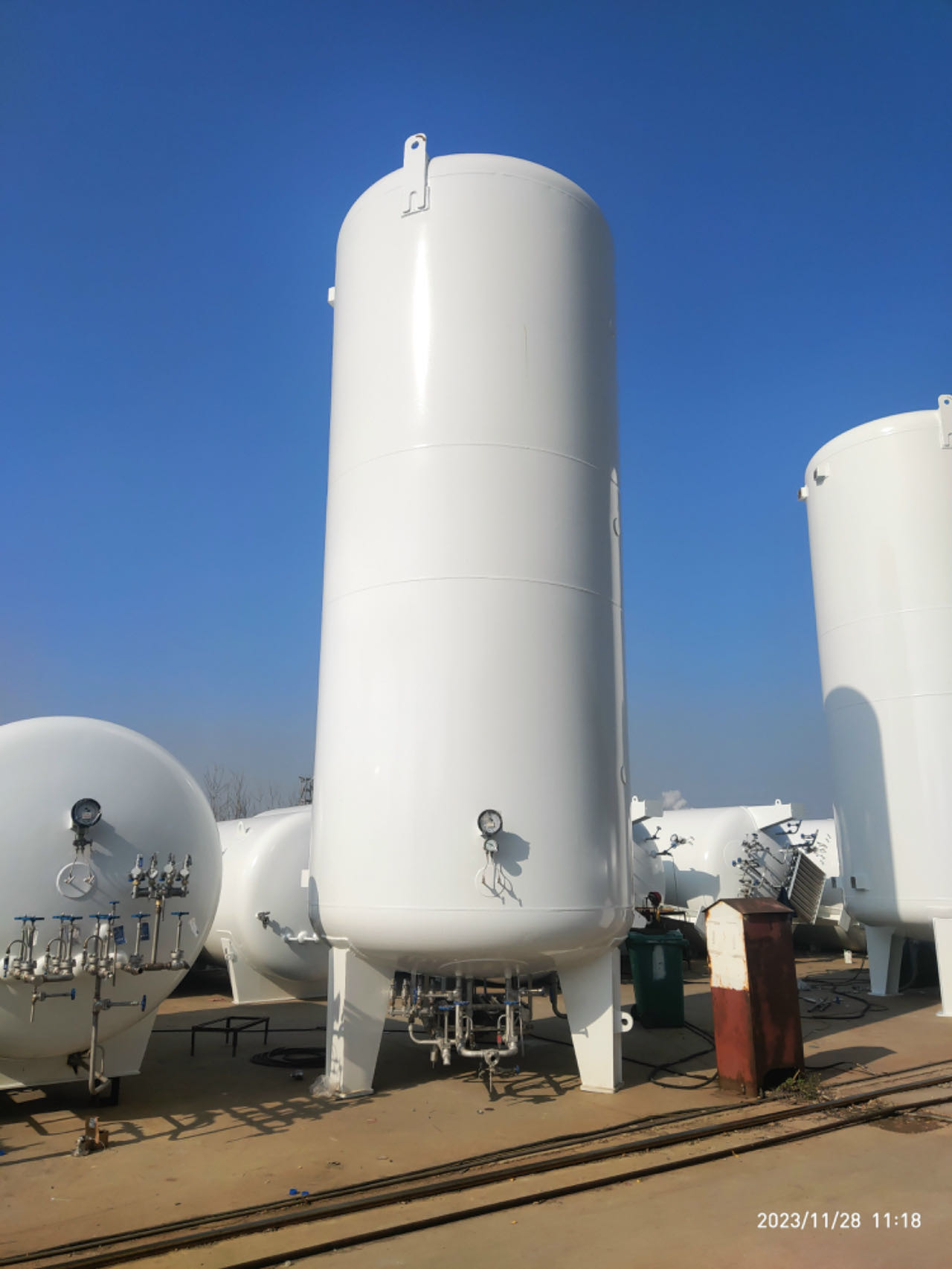
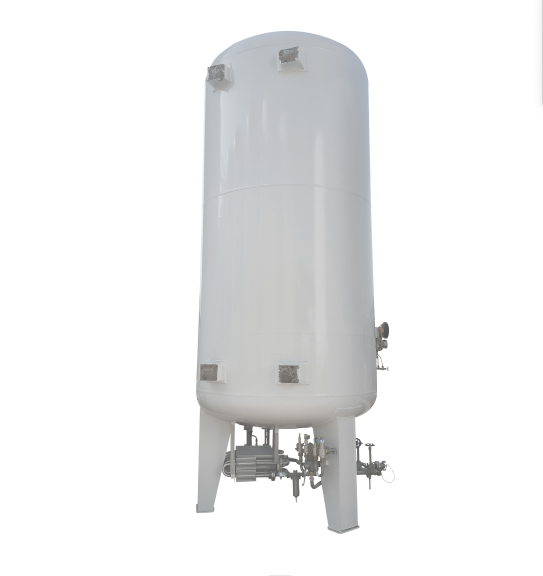
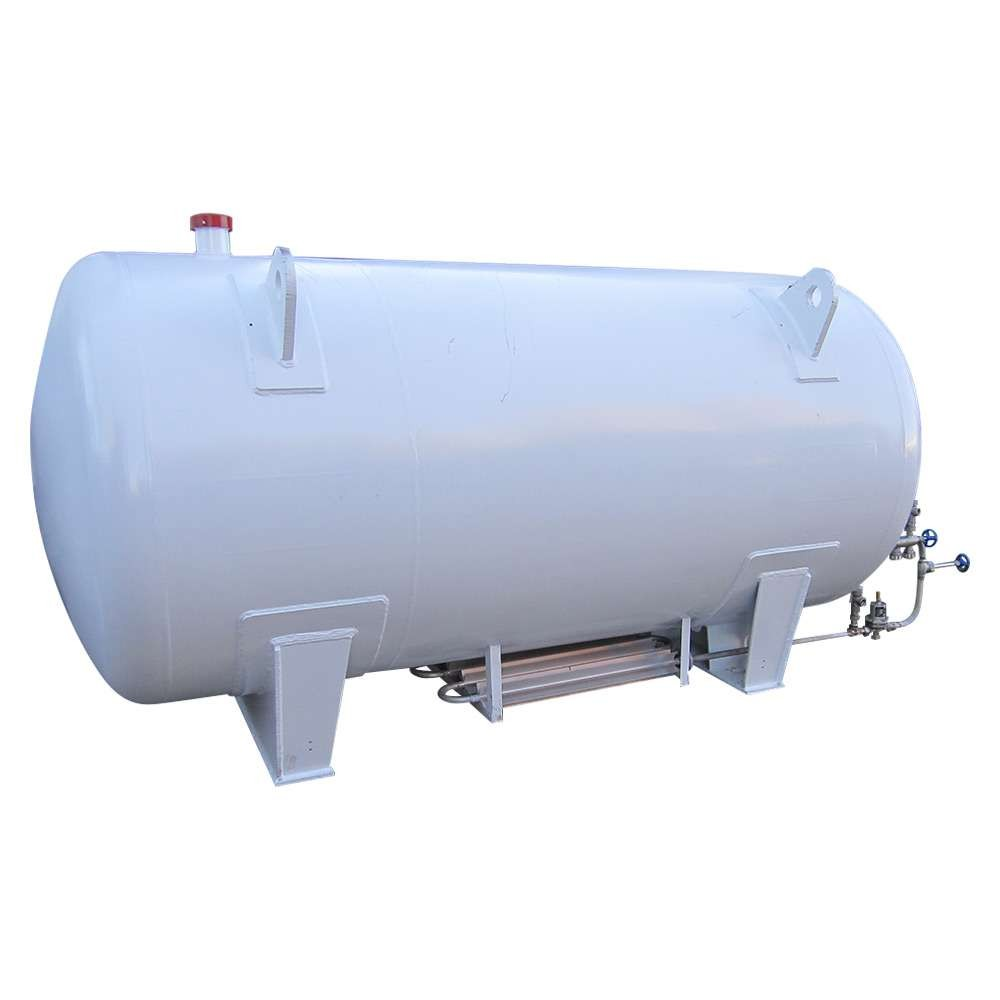
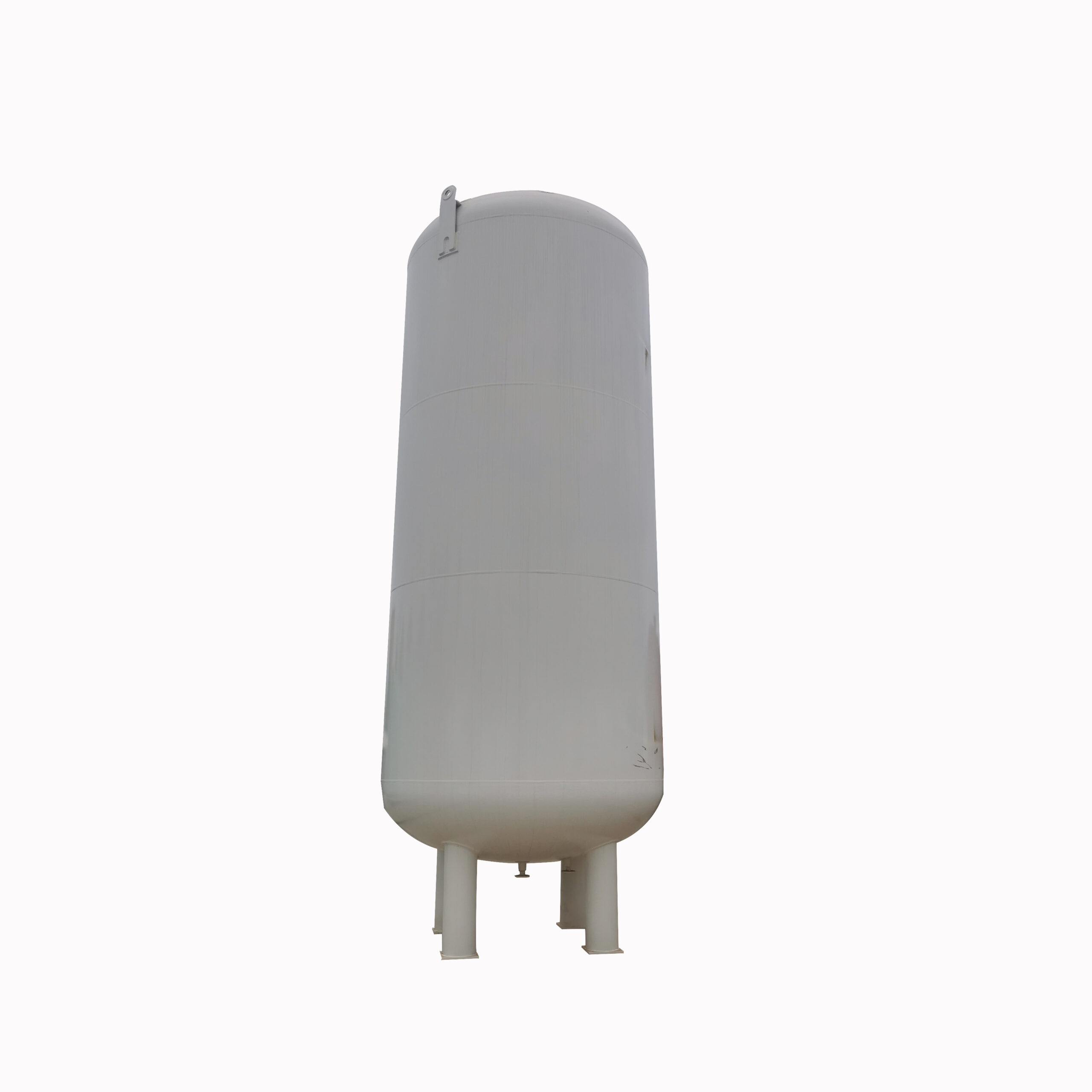
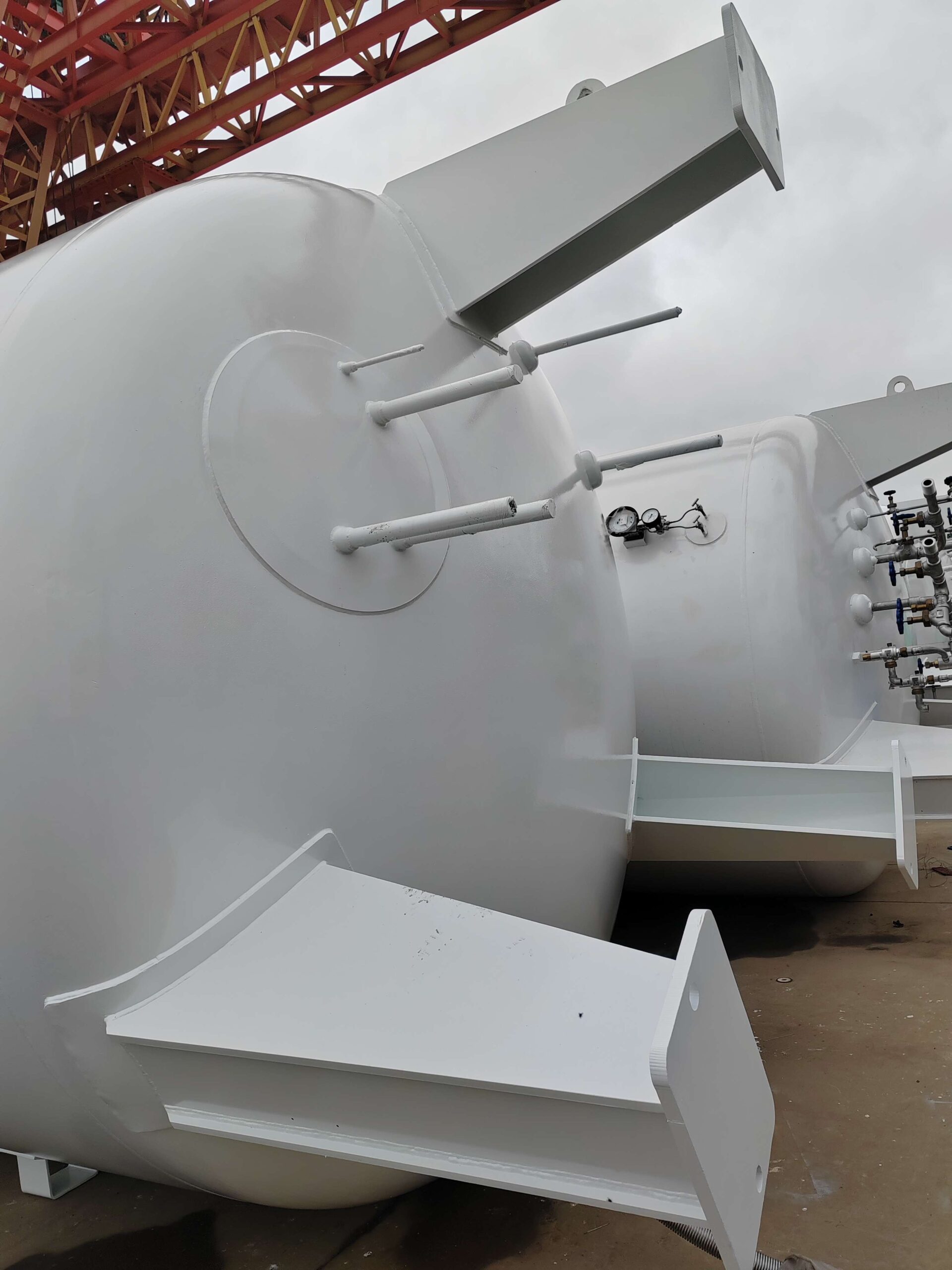
Vertical/horizontal cryogenic liquid oxygen storage tank is a kind of equipment for storing and transporting liquid oxygen, which is characterized by high efficiency, safety and energy saving.
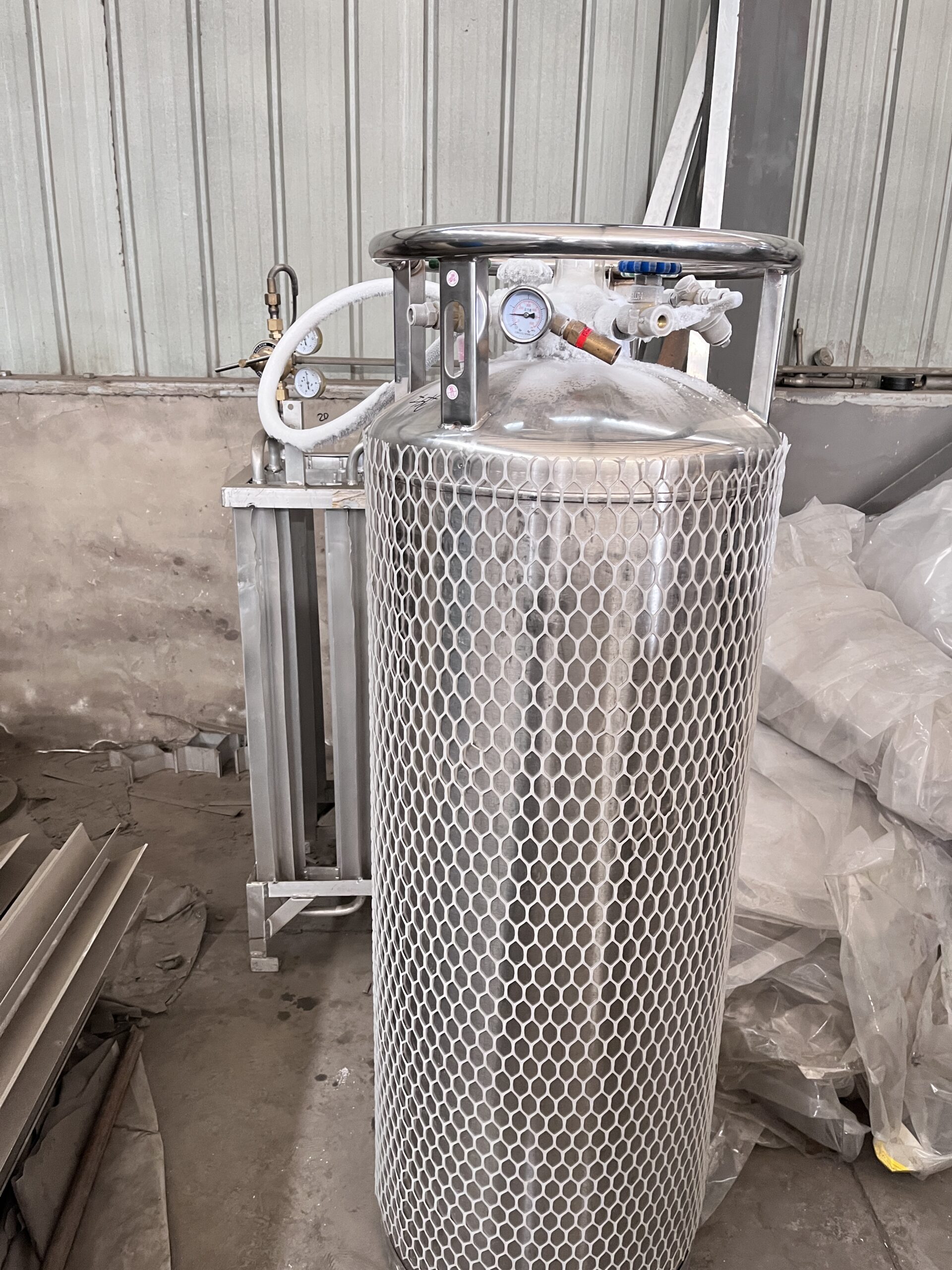
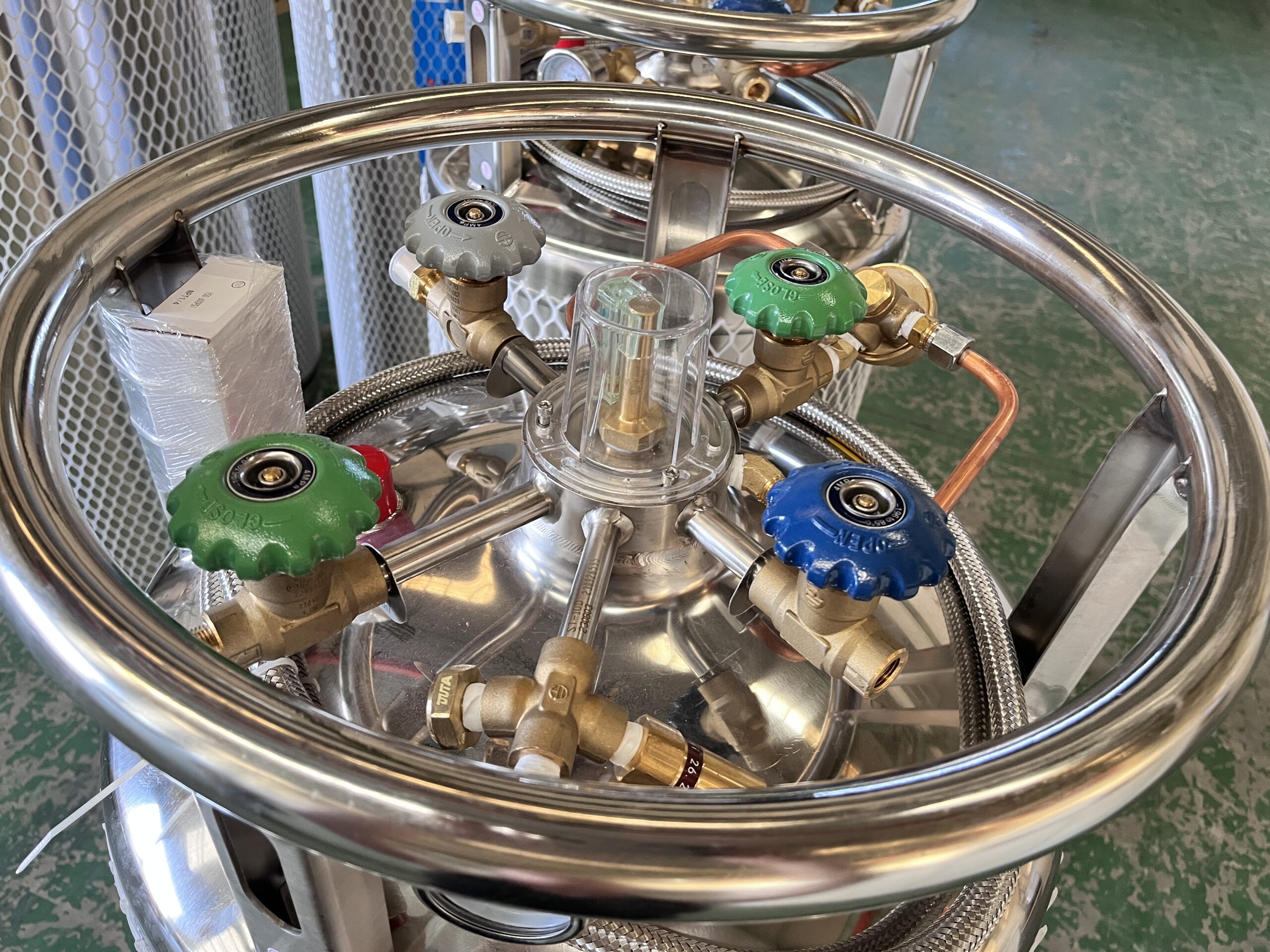
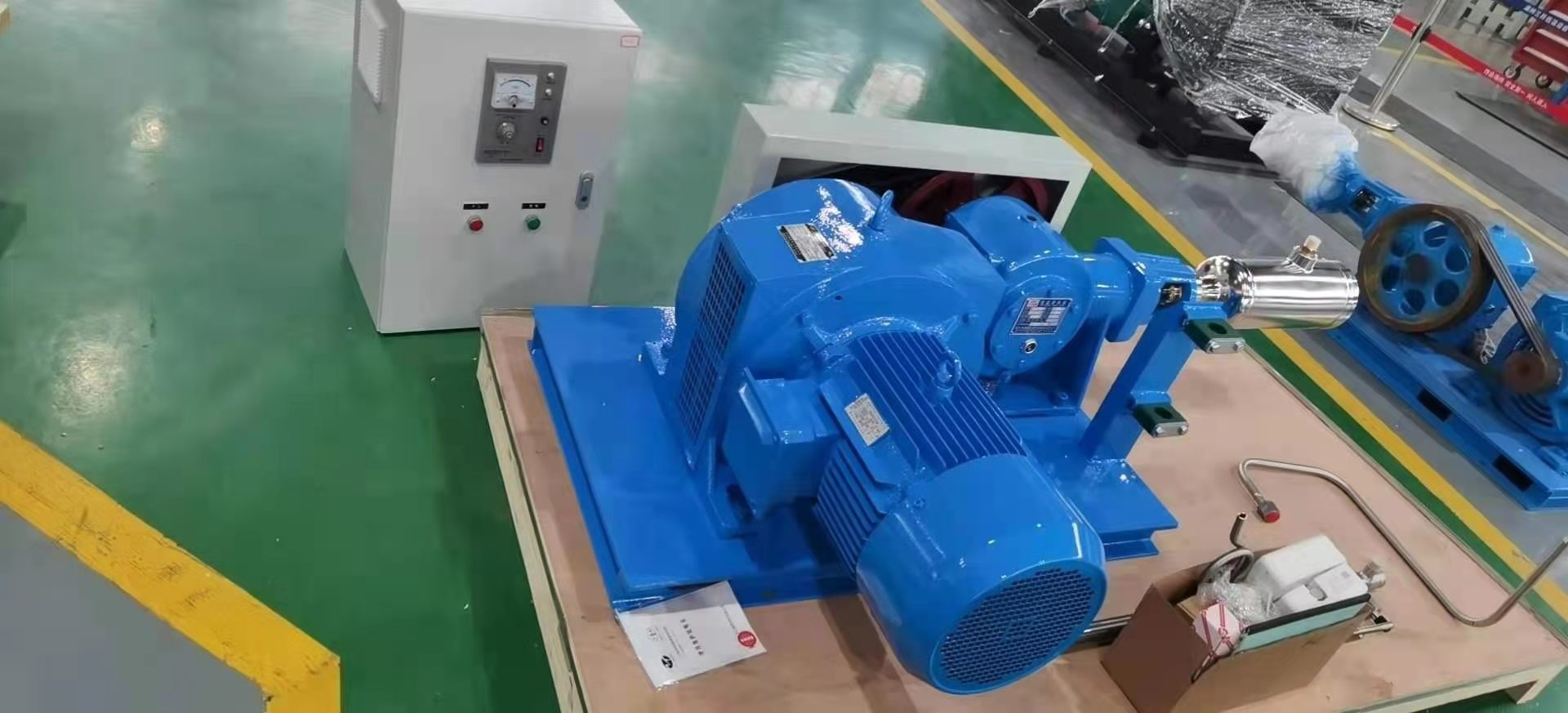
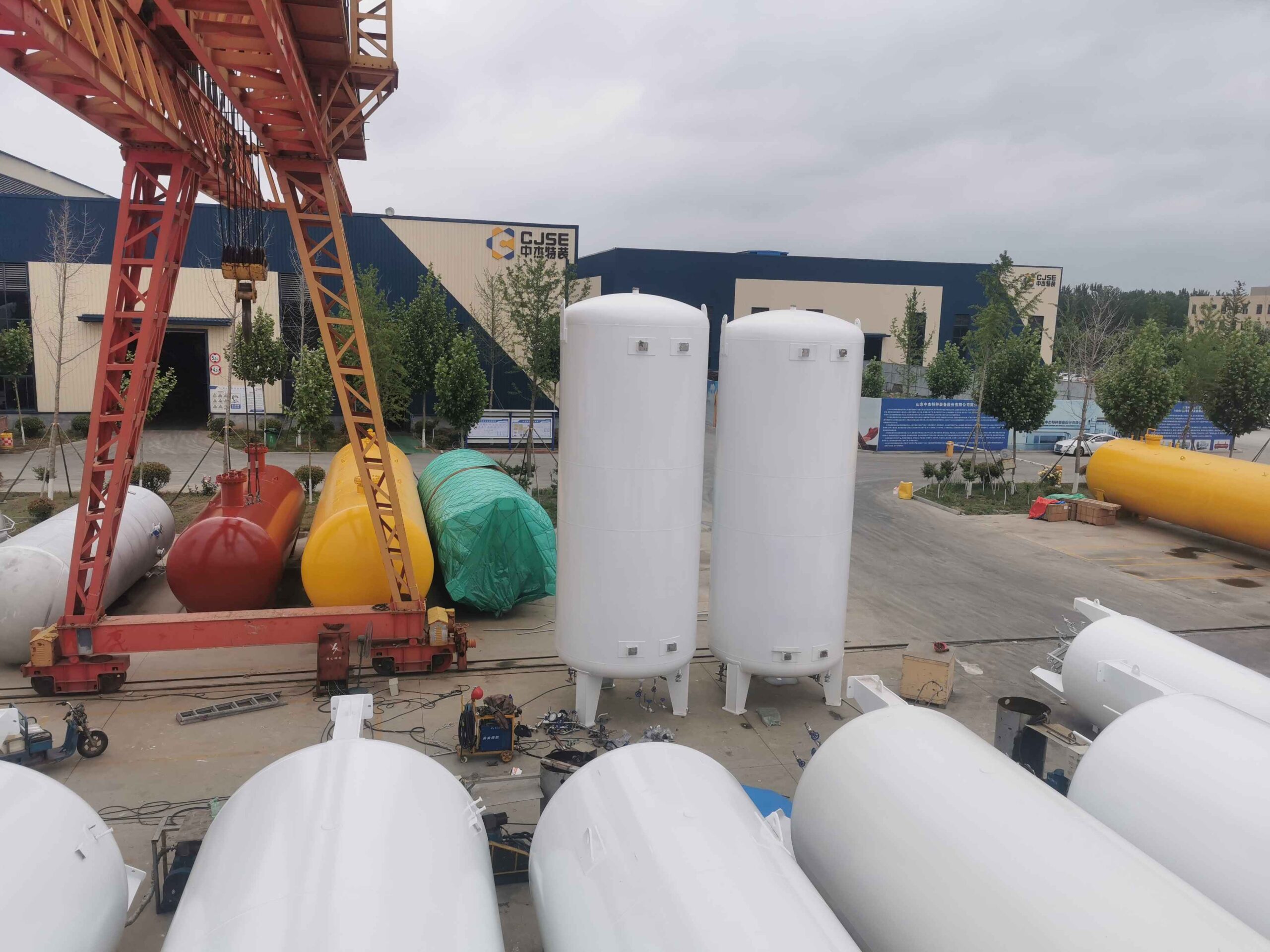
The cryogenic tank is a low-temperature adiabatic pressure vessel that can be refilled many times.