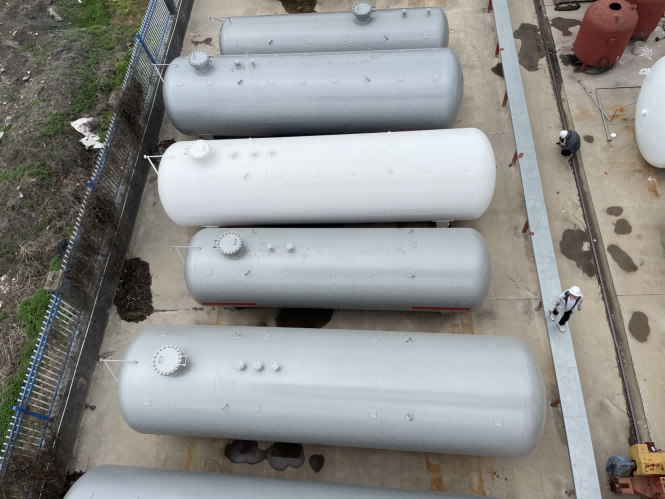
Under normal conditions of use, periodic sensitivity checks and safety accessory checks should be performed.
Purpose of risk assessment: Liquefied petroleum gas is a combustible, gasifying, thermal expansion, trapping, electrifying, corrosive, asphyxiant and toxic medium liquid petroleum mixed with air.
Thermometer: When the temperature of the liquefied petroleum gas storage tank rises, the pressure in the storage tank increases accordingly.
Level Gauge: A level gauge is a device that indicates the liquid level of liquefied petroleum gas in a storage tank.
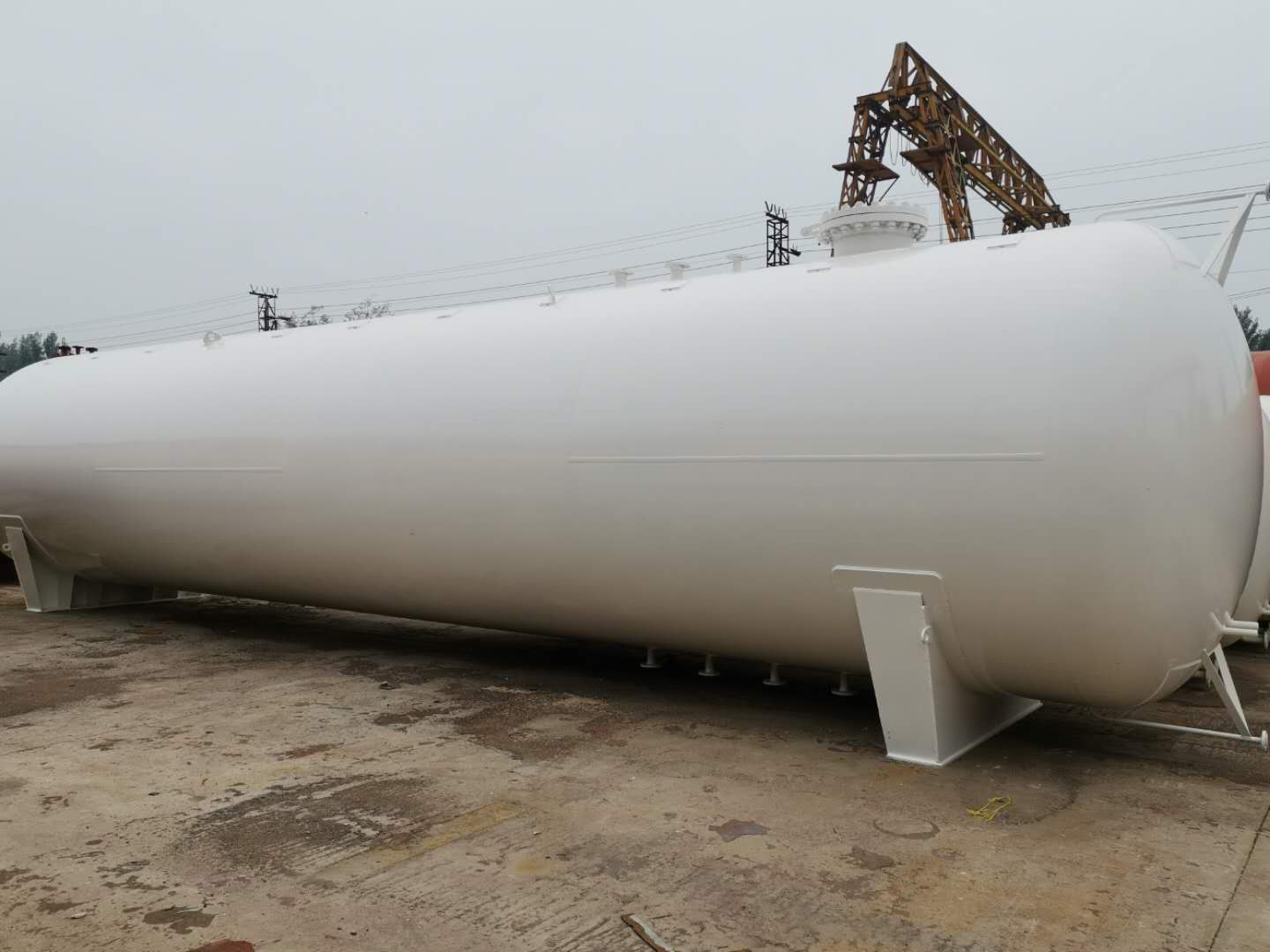
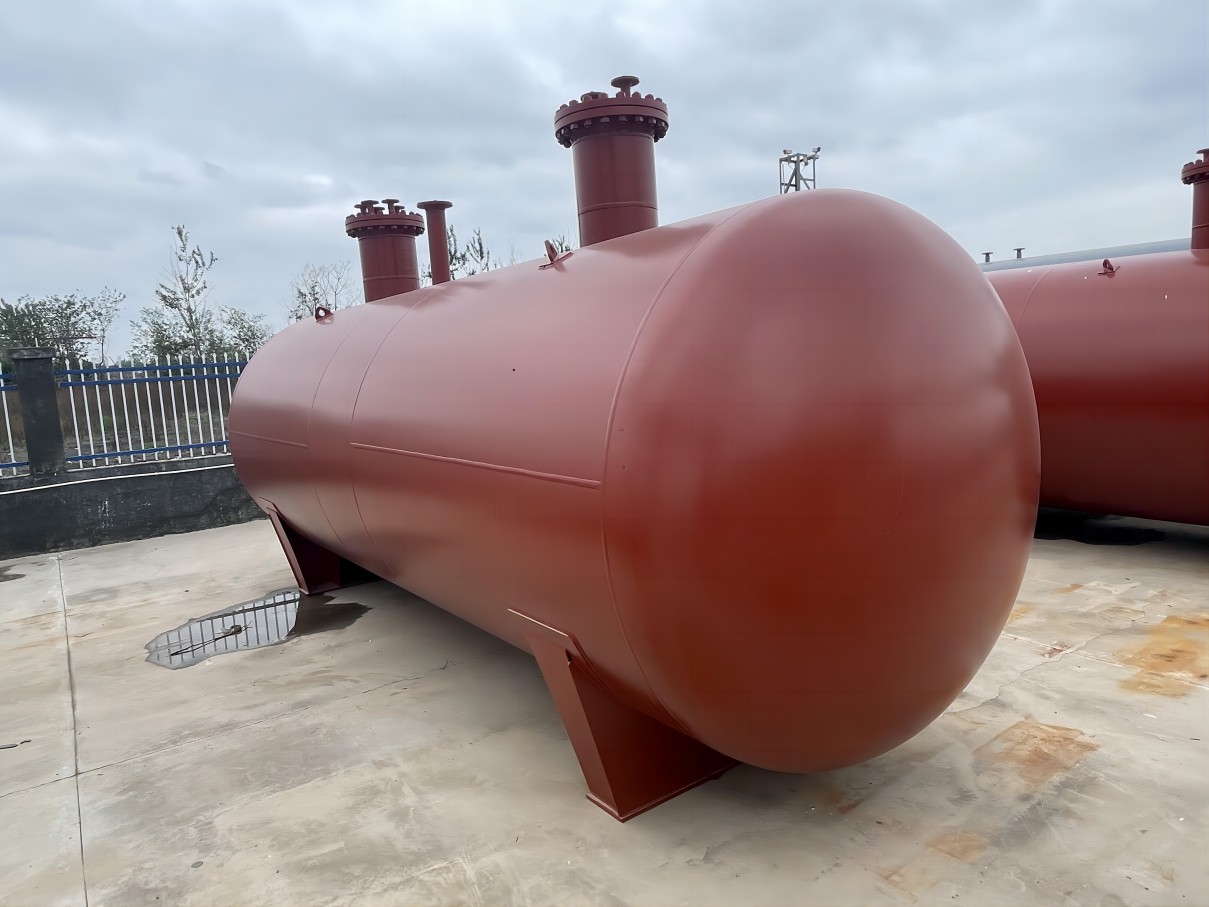
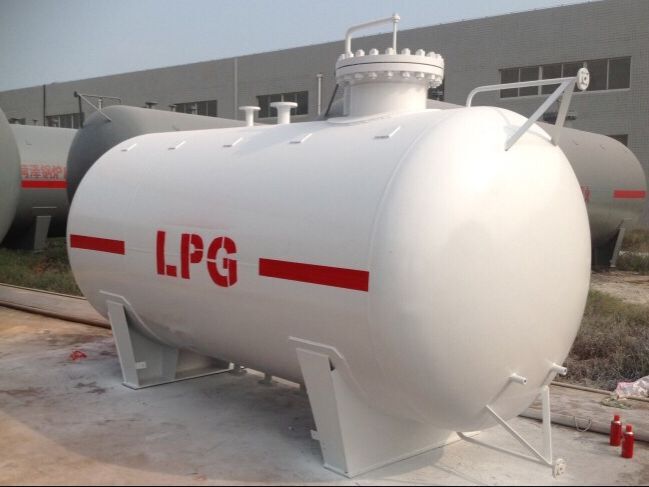
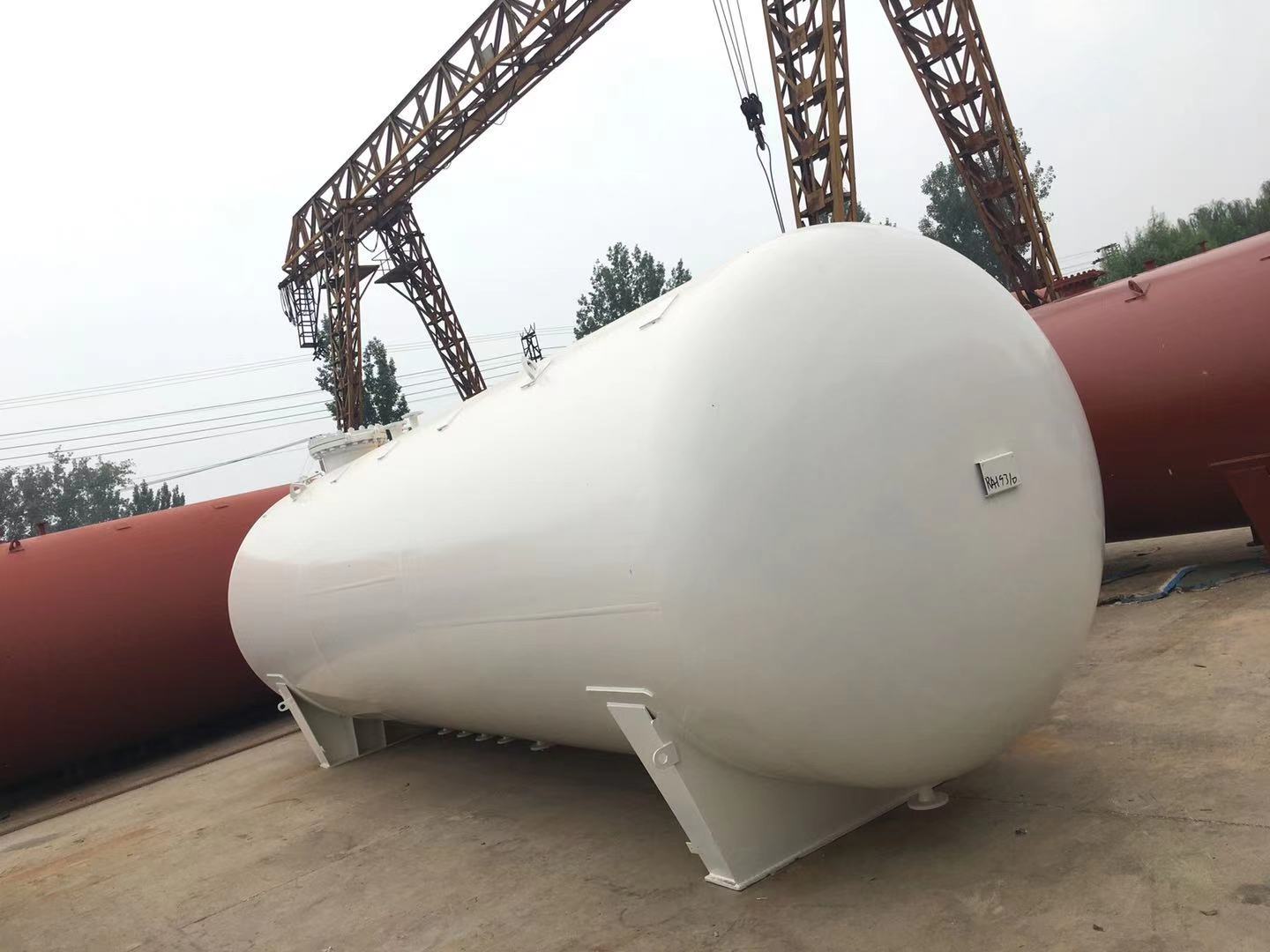
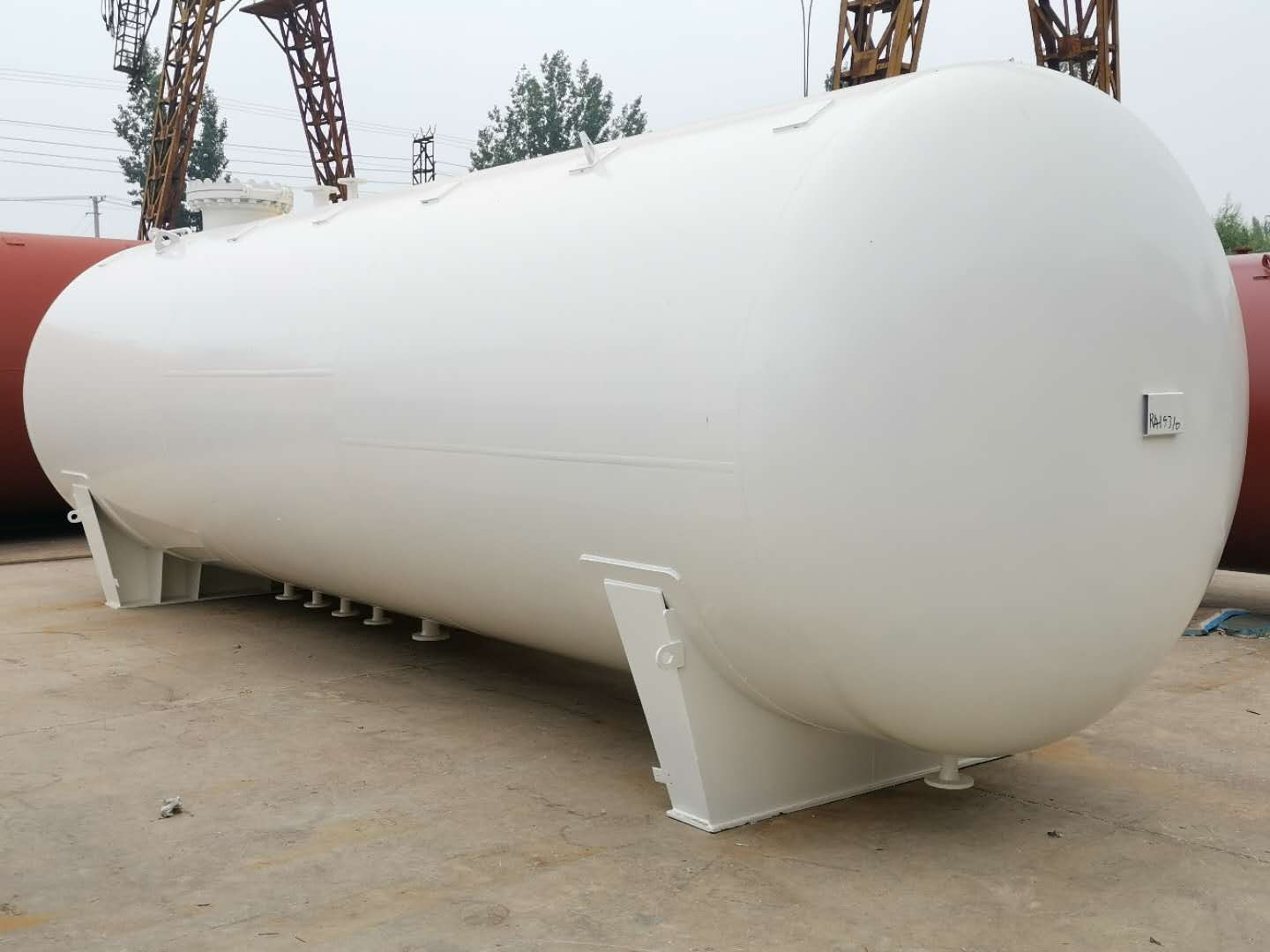
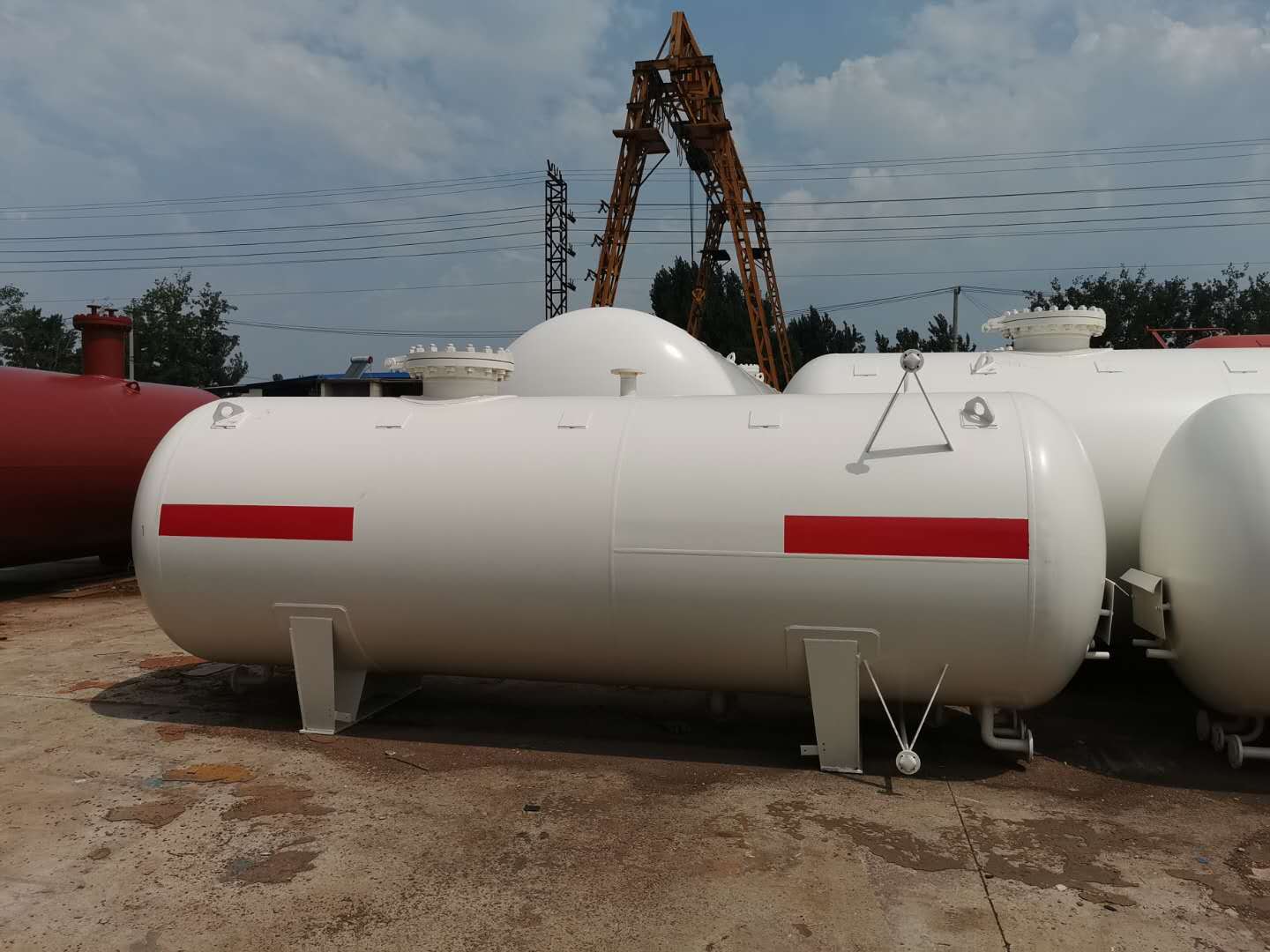
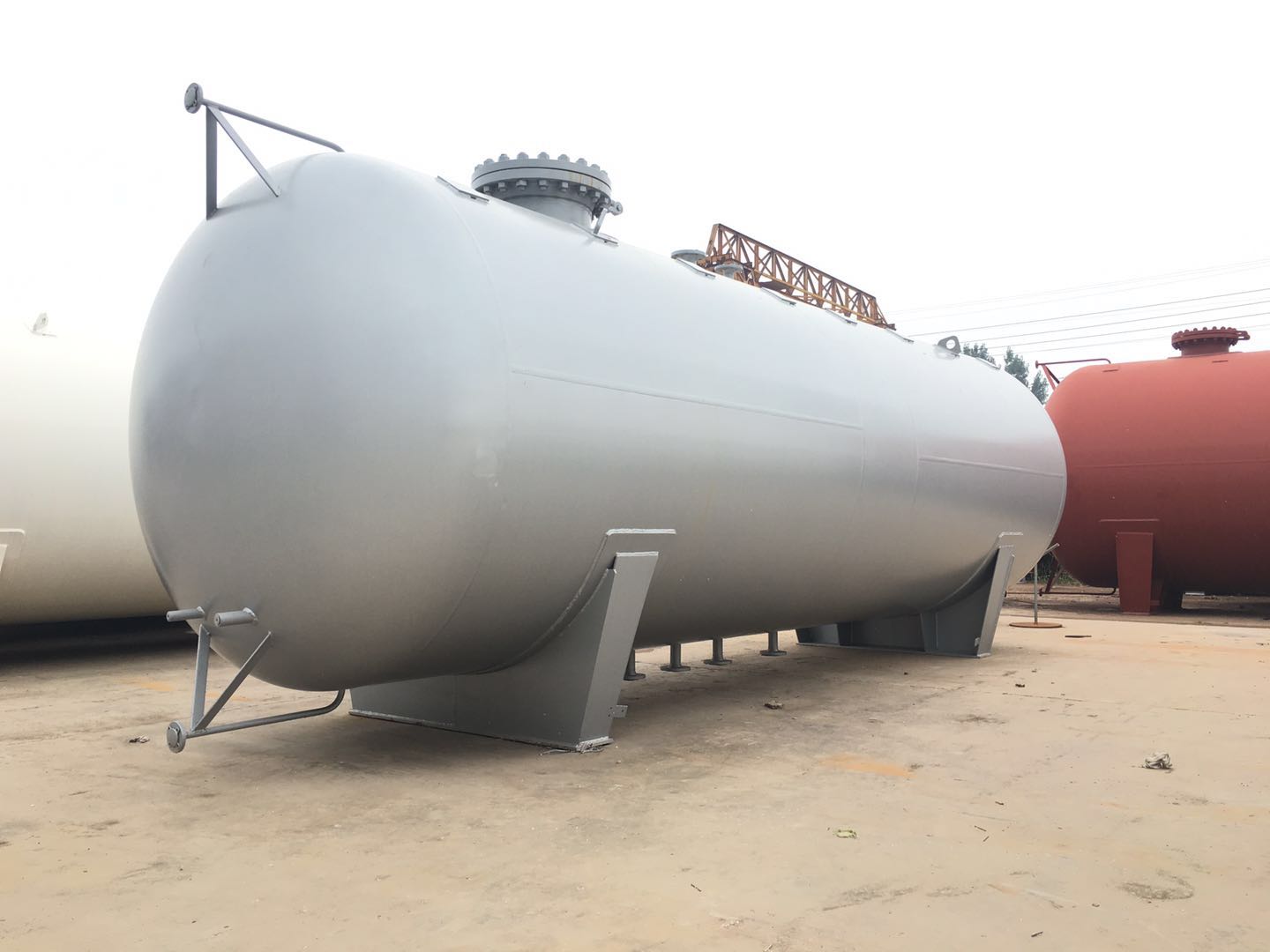
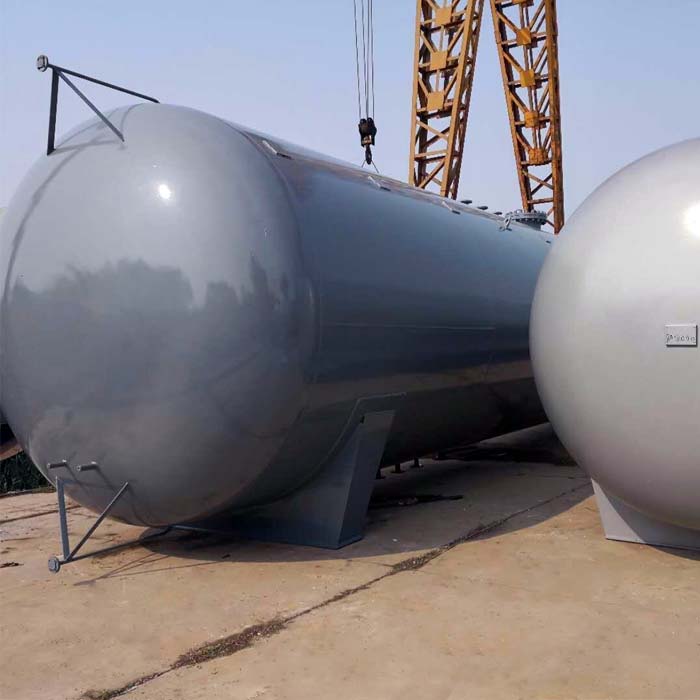
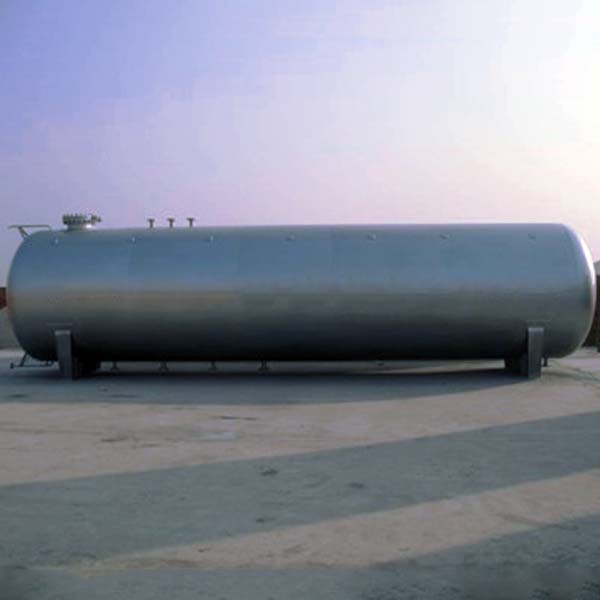
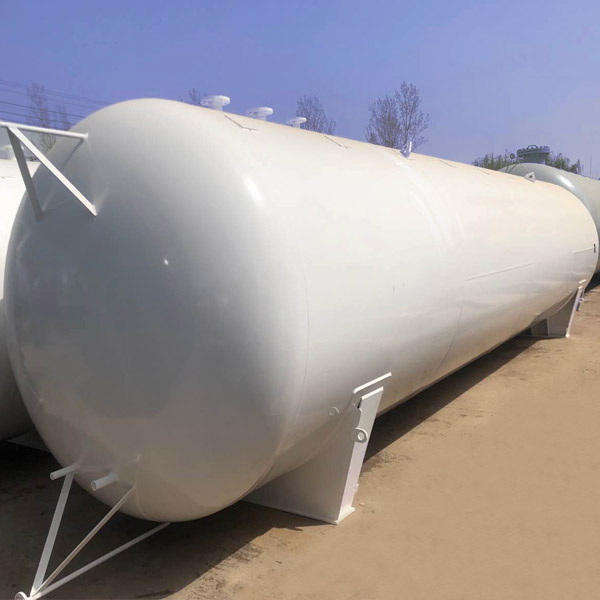
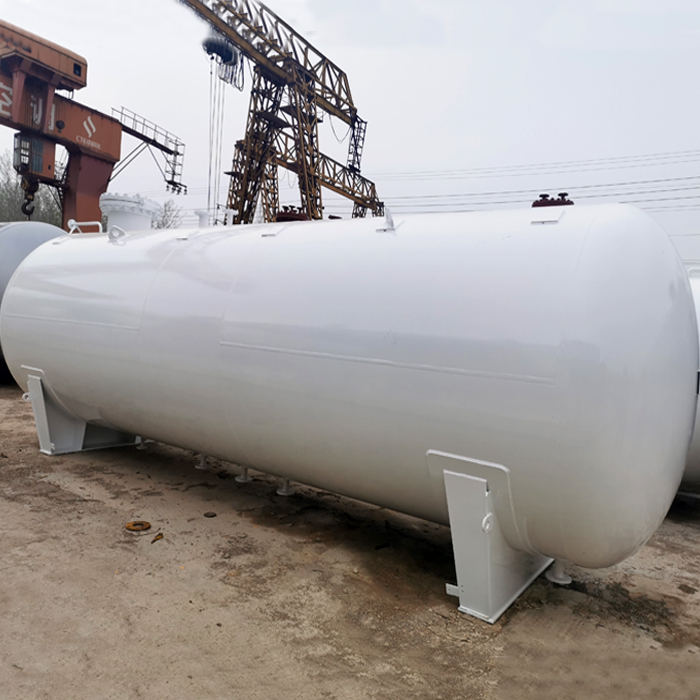
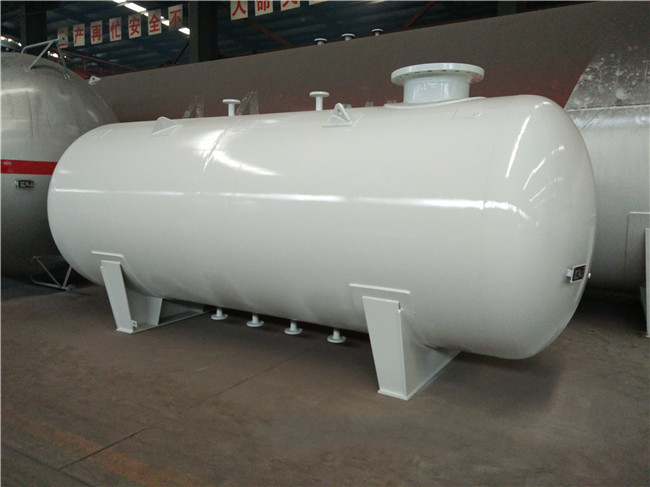
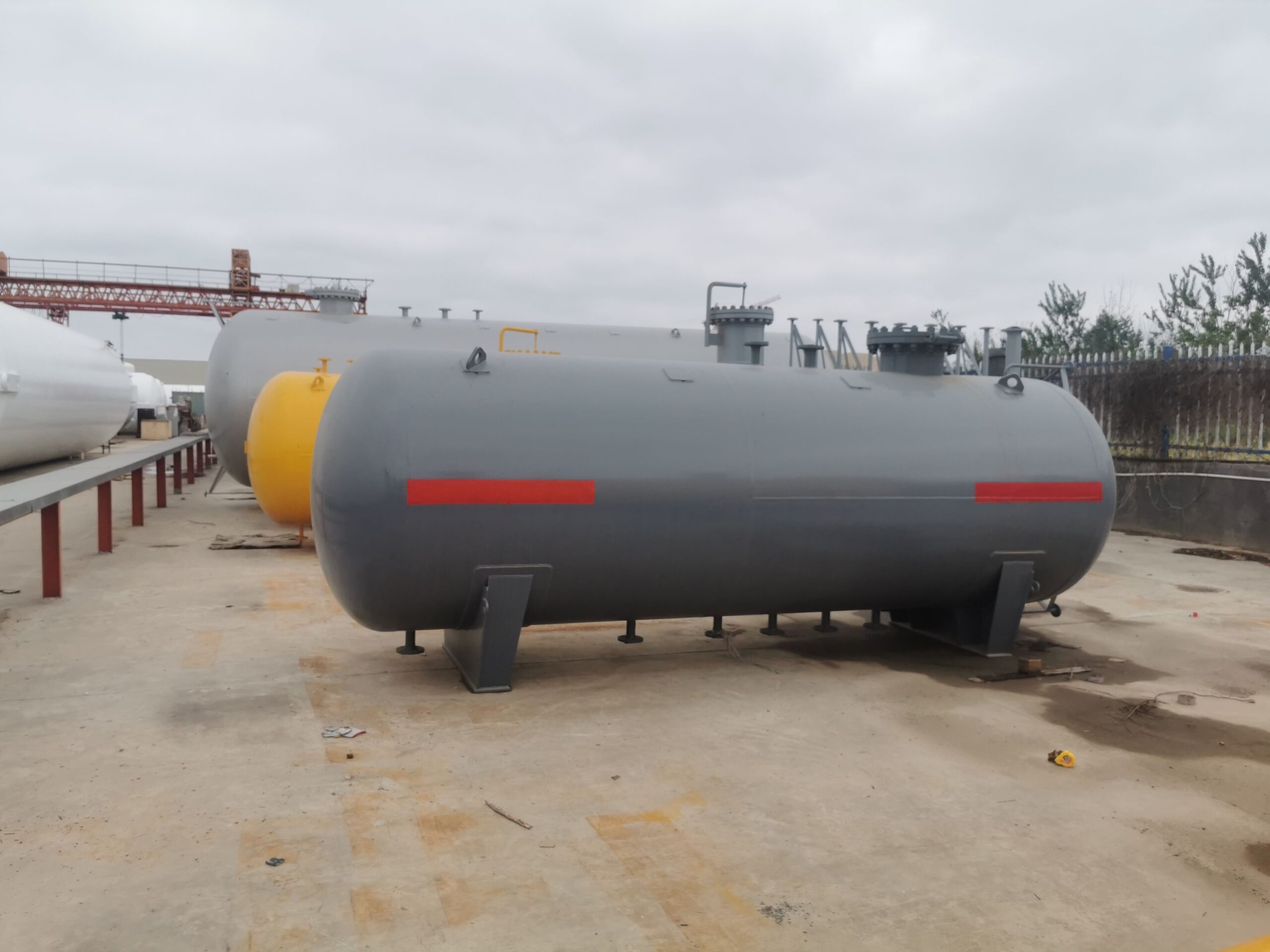
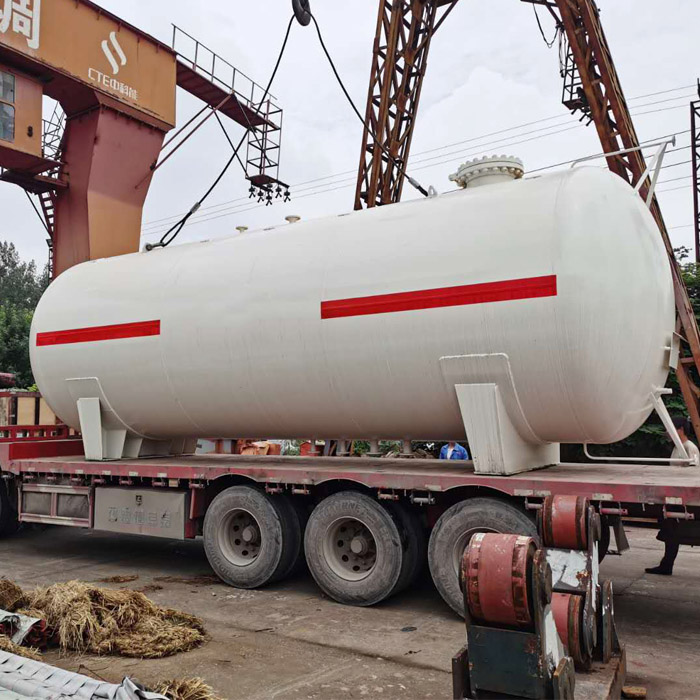
10000 l lpg storage tank price, it also requires an open mark and locking device for calibration or replacement.
Pressure Gauge: Controls and monitors the pressure inside the storage tank.
Emergency shut-off valve: An emergency shut-off valve is a valve that can be quickly closed manually or automatically in an emergency.
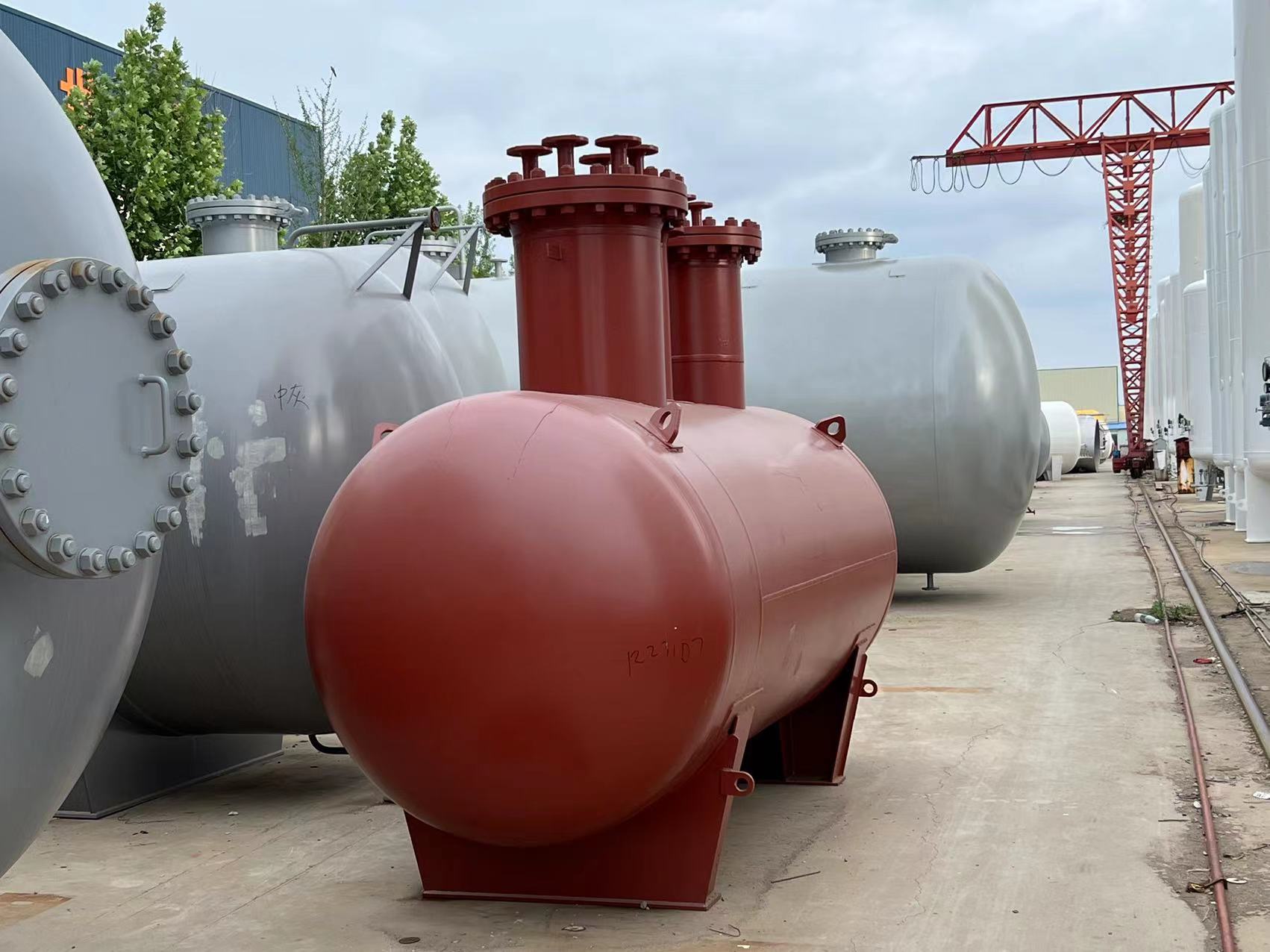
Make sure that the mouth of the discharge pipe of the safety valve of the underground storage tank is 2.5 meters above the ground, and install an elbow or BB at the top of the discharge pipe or mixing discharge pipe so that water does not collect. inside the pipe.
Safety valve: A safety valve is a safety device that automatically opens and loses pressure when the pressure within a liquefied petroleum gas storage tank becomes too high. Storage of liquefied petroleum gas requires fully open spring-loaded safety valves.
Liquefied petroleum gas is flammable and explosive. In storing liquefied petroleum gas, it must be pressurized at room temperature to become a liquid so that it can be stored in liquefied petroleum gas storage tanks.
Such liquefied gas storage tanks must not be disposed of as is. LPG cylinders are pressurized vessels and must be maintained and inspected regularly. Be careful not to drop or bump the gas cylinder during transportation or use.
Liquefied gas storage tanks should be installed in a well ventilated area. and at least 1.5 meters away from the fire or heat source.
The LPG storage tank inspection schedule is as follows. When to inspect LPG storage tanks: at least once a year. The internal and external audit periods are divided as follows: At least every 6 years for security levels 1-3. At least every three years for Security Status Levels 3-
How to store liquefied petroleum gas LPG is liquefied to increase its storage potential.