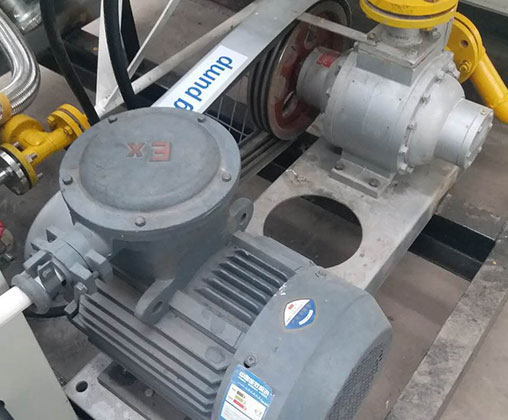
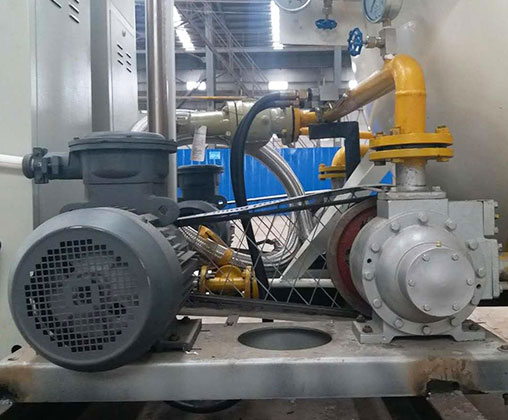
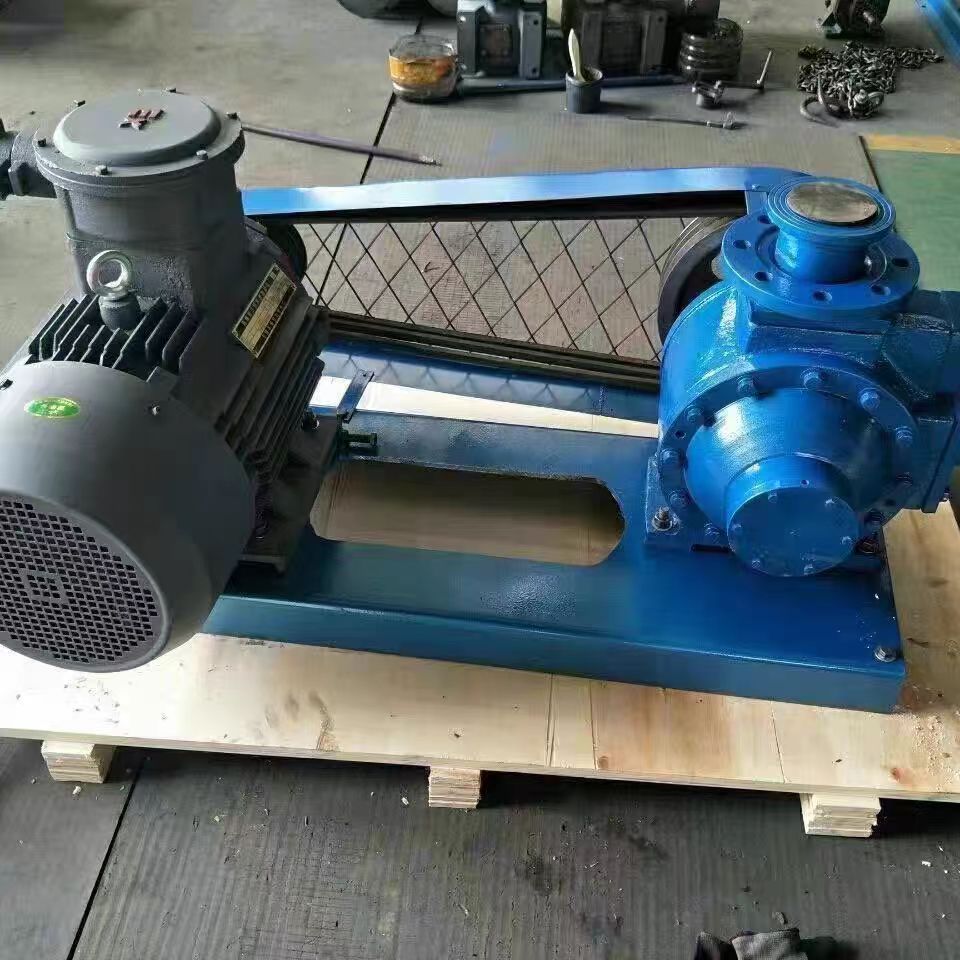
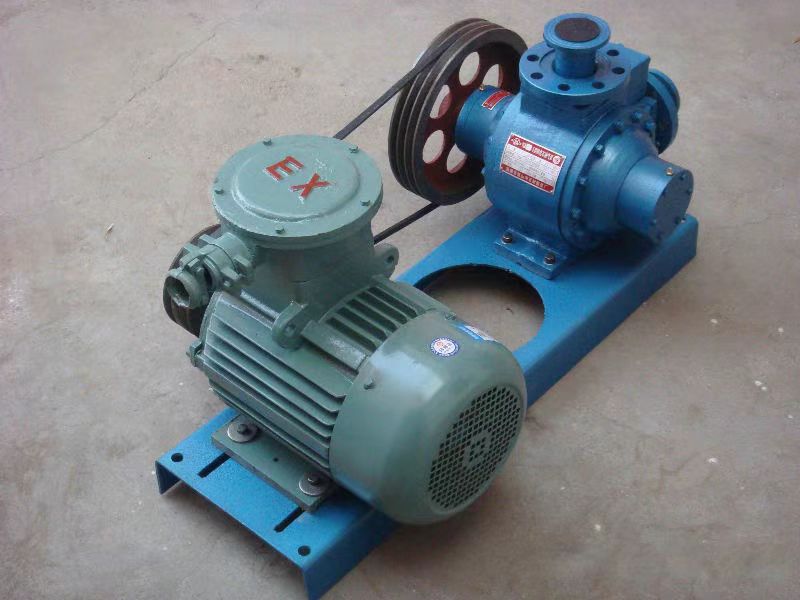
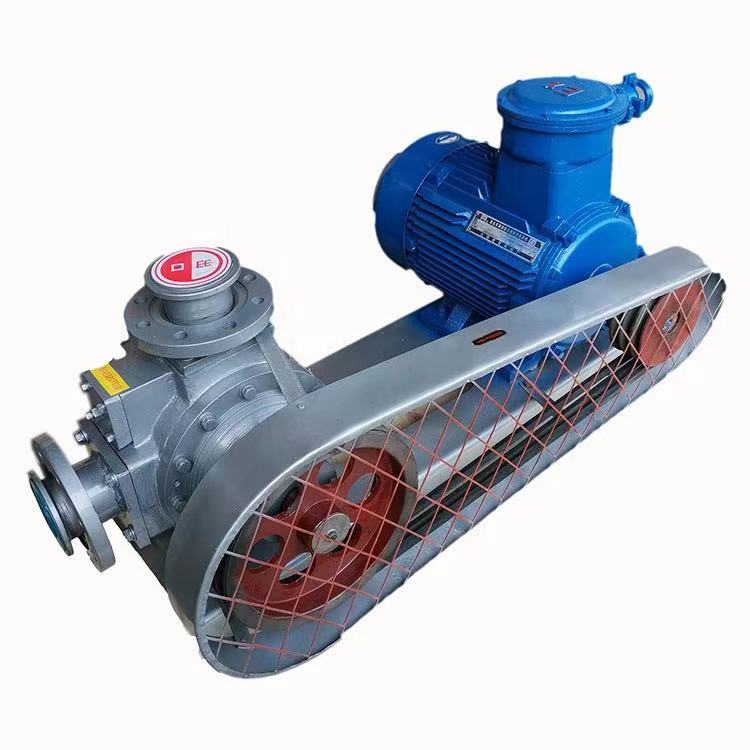
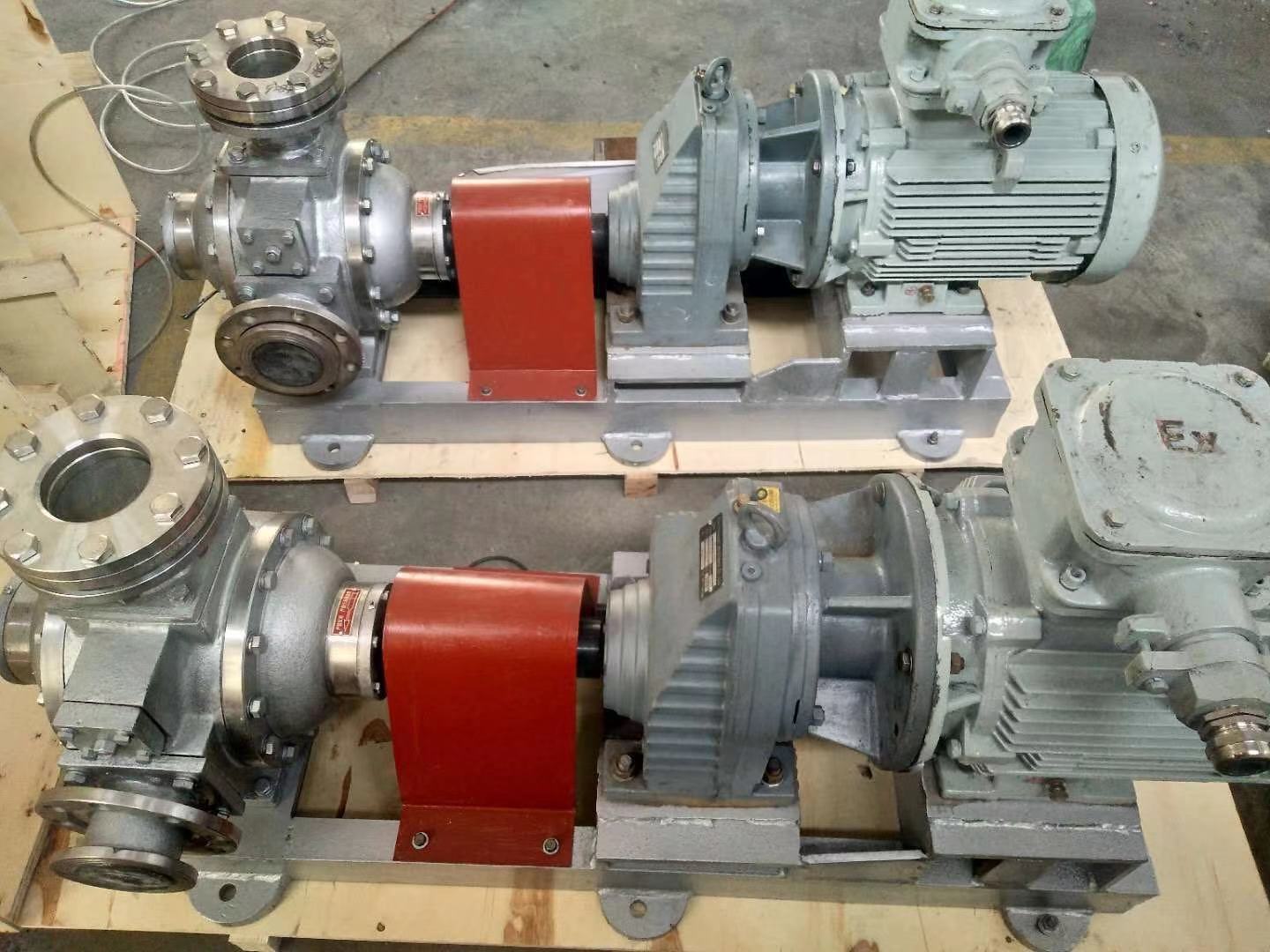
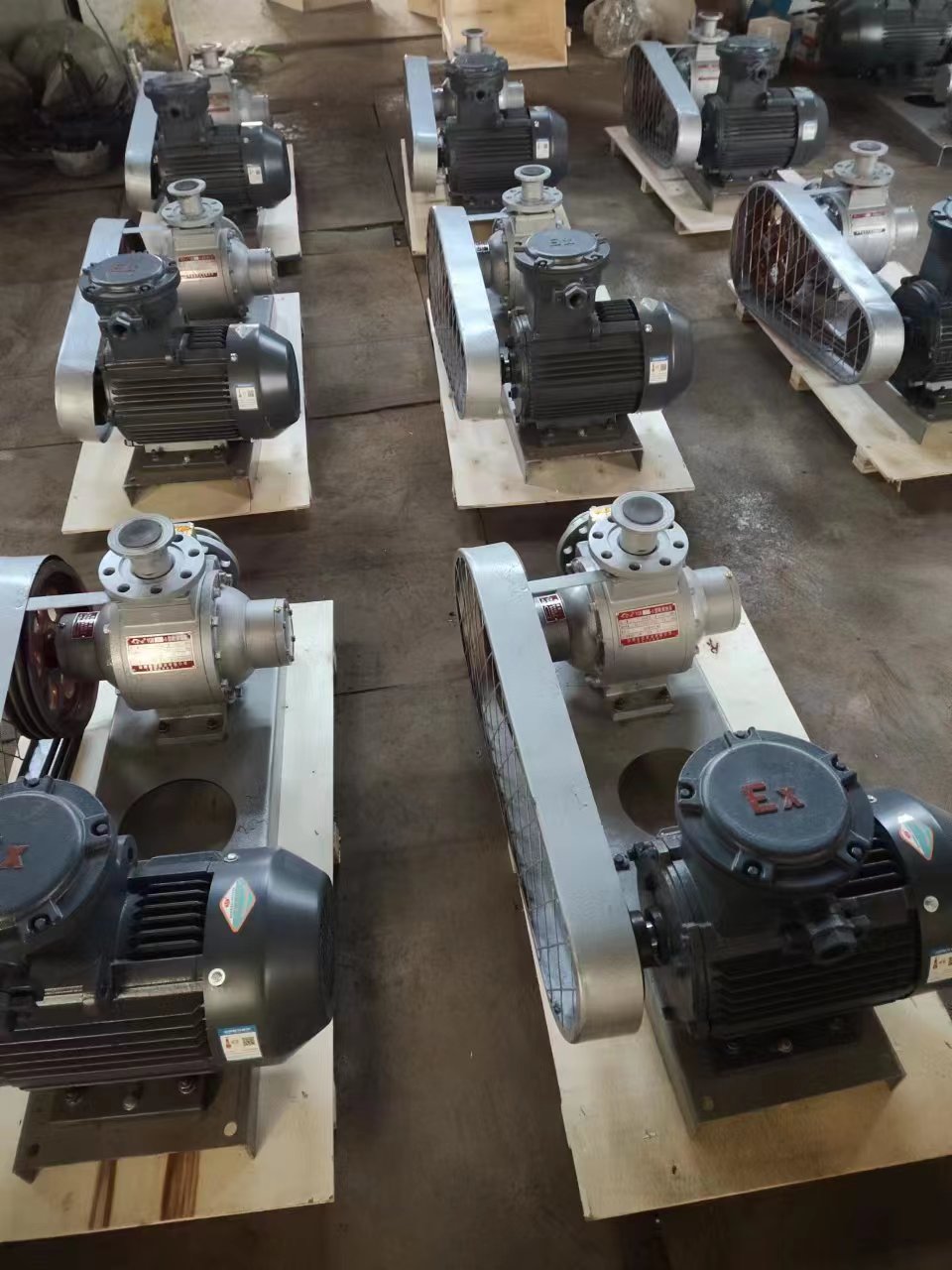
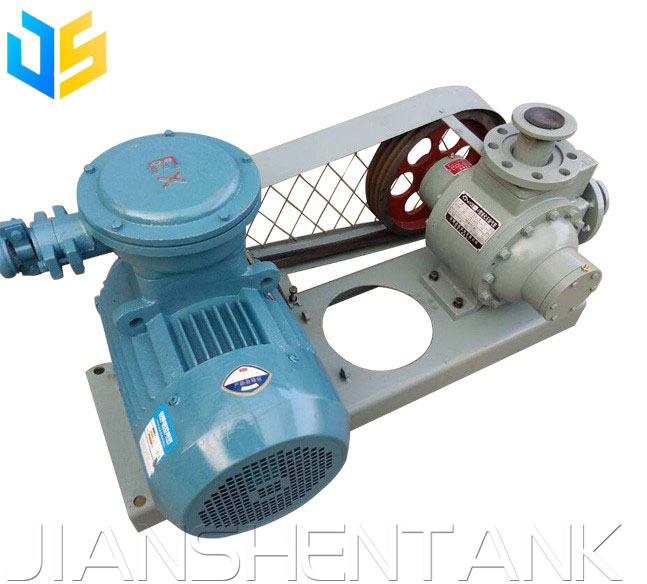
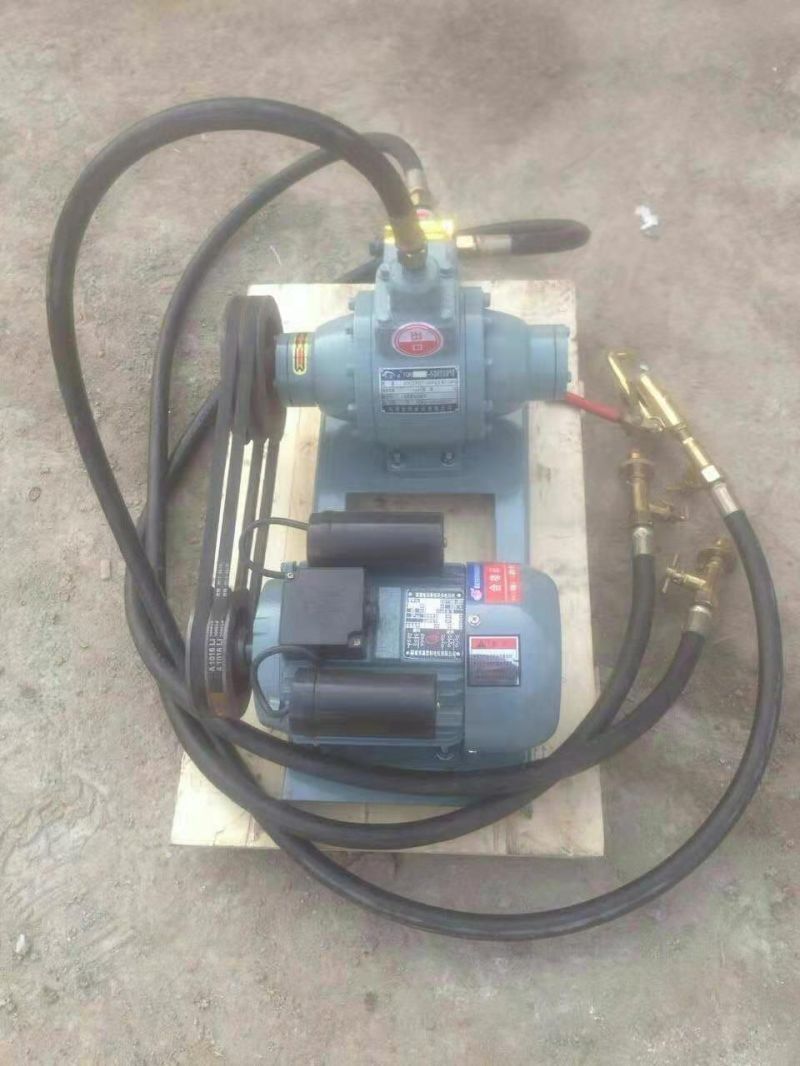
LPG vane pump is usually equipped with a temperature control system.
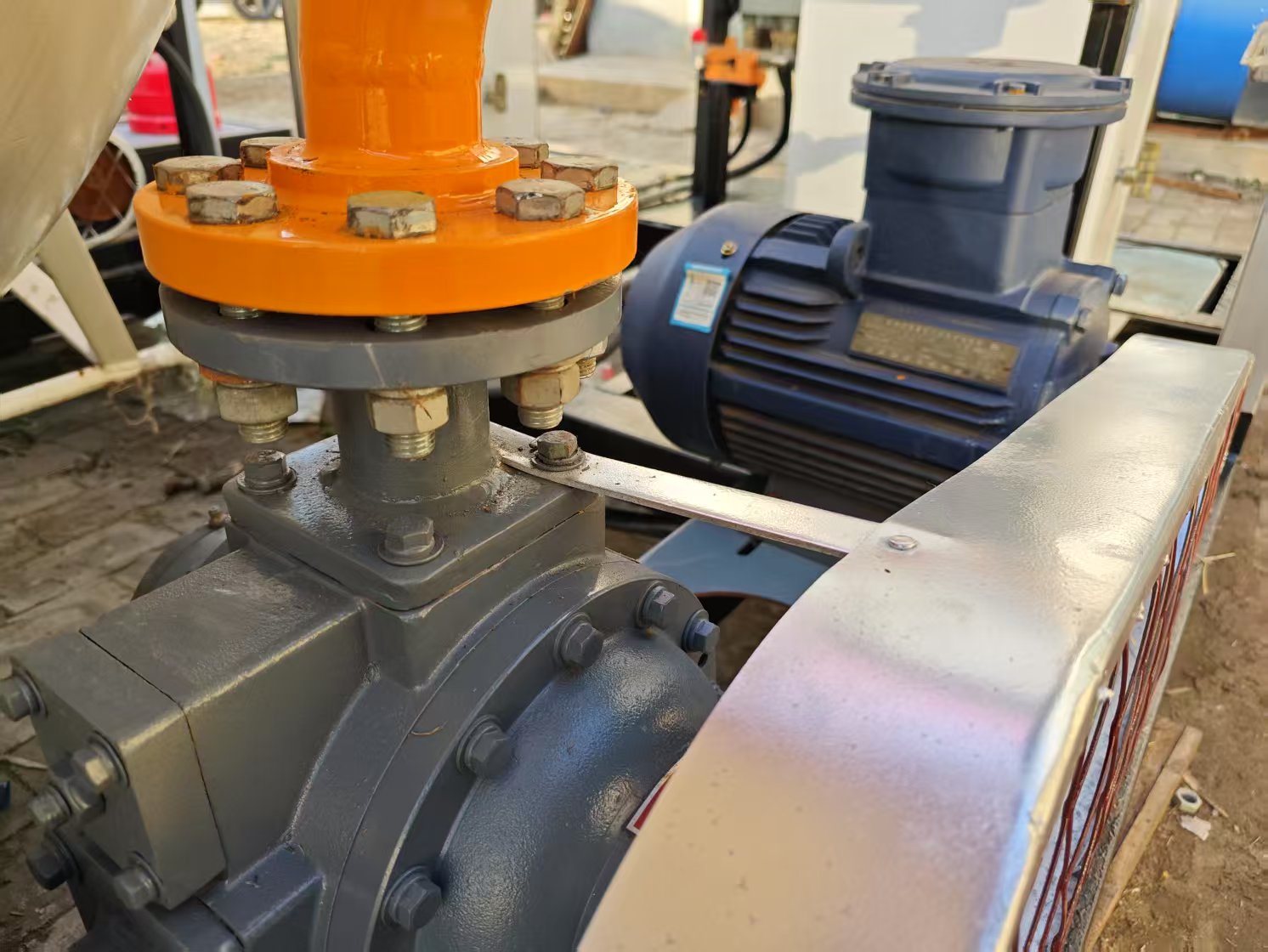
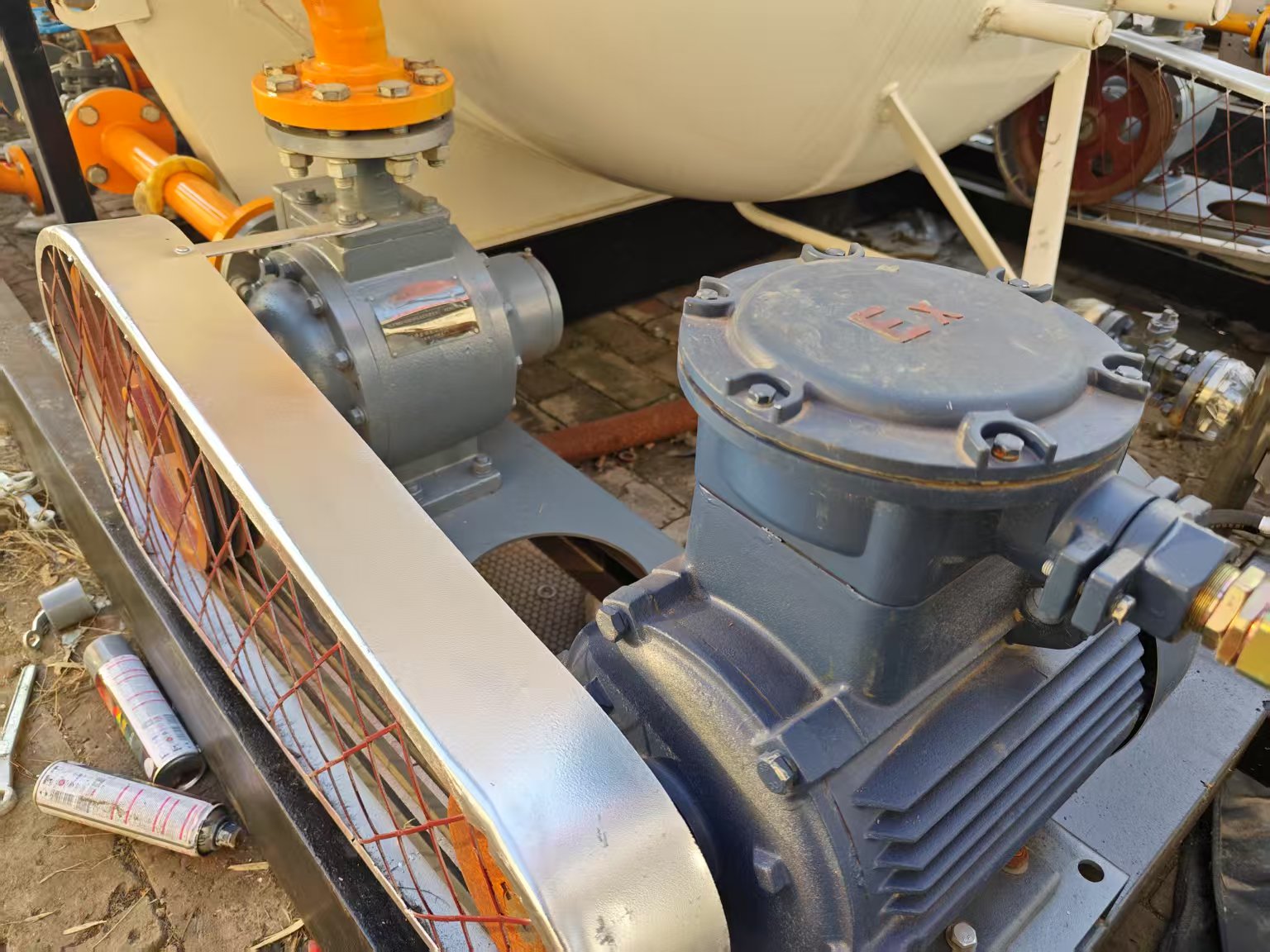
LPG vane pump is a volumetric pump specially used for conveying liquefied petroleum gas (LPG) and other media
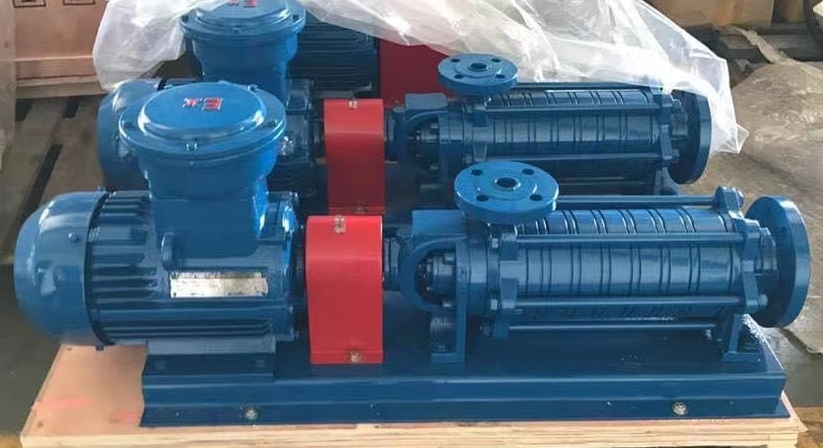
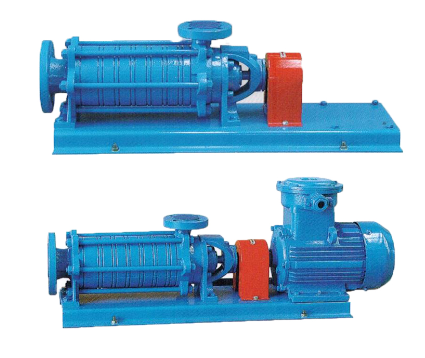
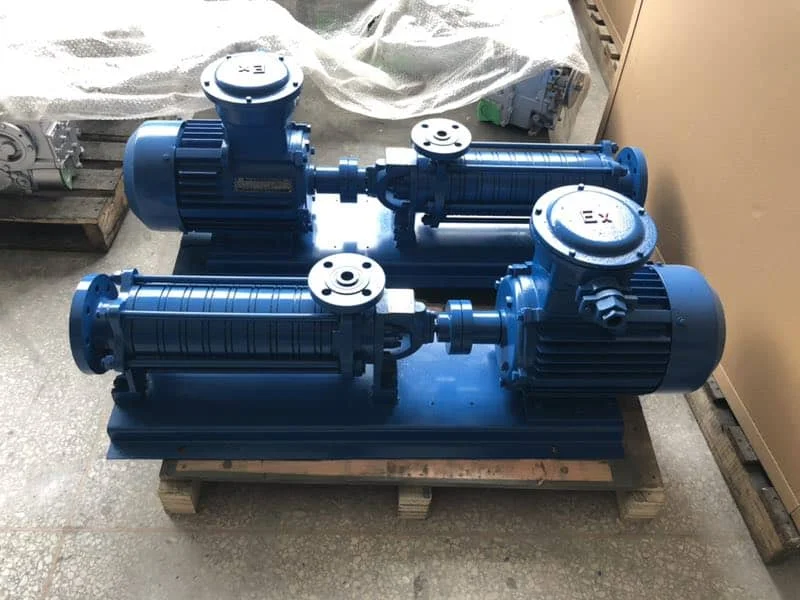
This type of pump features a segmented shell and modular interstage components. The spinning assembly is held between bearing housings, which makes it more balanced under high pressures.
A multistage pump is similar in design to a centrifugal pump in that numerous impellers rotate around a shaft, allowing the pump to achieve higher pressures than if only one impeller were utilized.
LPG vane pumps operate on a positive displacement principle, where the rotation of the rotor within a cavity creates a series of expanding and contracting chambers that move fluid through the pump.
LPG vane pumps, known for their efficiency and versatility, find applications across various industries where the transfer of liquefied petroleum gas is required.
In addition to liquefied petroleum gas, LPG multistage pumps can also be used to transport other similar hydrocarbon substances such as propane and butane.
The working principle of the liquefied petroleum gas (LPG) multi-stage pump is based on the design of multiple impellers connected in series, aiming to achieve high-pressure and high-lift liquid transportation.
The working principle of the LPG vane pump mainly relies on centrifugal force and volume change.
LPG vane pump is a highly efficient device widely used in the transportation of liquefied petroleum gas (LPG).
Performance optimization of vane pumps
Working principle and application of vane pump